In southern Tanzania, a remarkable conservation victory is unfolding as local communities and wildlife experts join forces to protect migrating herds. A group of 368 generous landowners have dedicated portions of their farms to establish the nation's very first officially designated wildlife corridor. Stretching nearly nine miles across the densely populated Kilombero Valley, this vital passageway bridges the open savanna woodlands of Nyerere National Park with the lush, high-altitude rainforests of the Udzungwa Mountains.
Creating Safe Passage for Mountain-Climbing Elephants
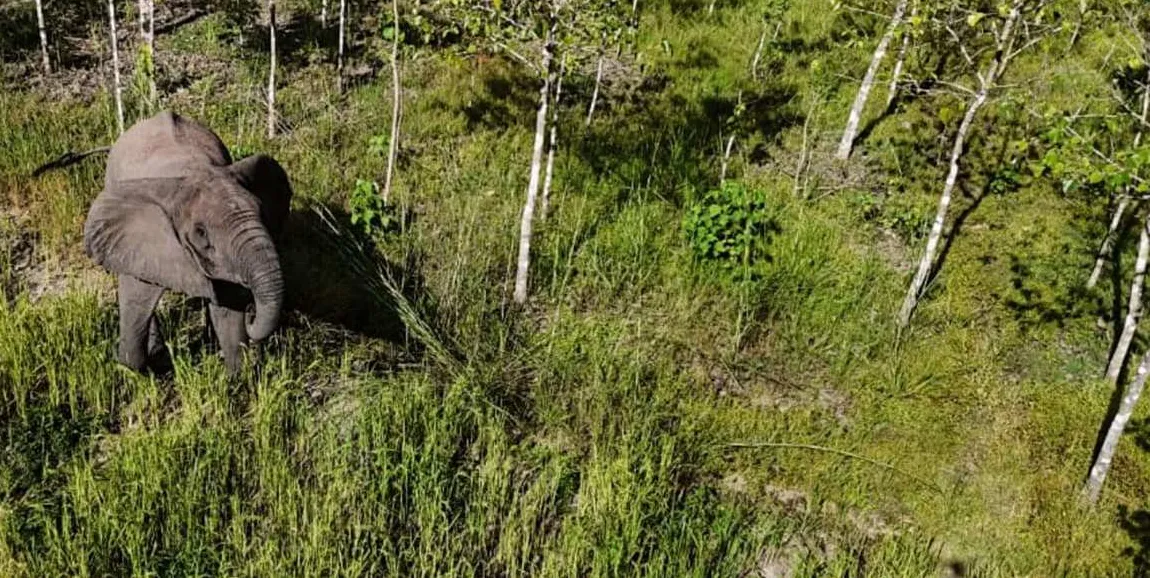
African savanna elephants in this region are known for their unique adaptability, frequently scaling steep rainforest slopes in search of native bamboo and vital resources. However, decades of agricultural expansion had fractured their ancestral migration routes, leading to increased human-wildlife friction. Through years of collaborative dialogue, local residents, conservation groups, and government officials successfully navigated a path forward. Landowners were fairly compensated for designating small portions of their properties to form a secure, protected pathway.
- Protected Migration: The 200-meter-wide corridor spans roughly 14 kilometers, safely guiding elephants between major national parks.
- Wildlife Monitoring: Strategically placed trail cameras have already documented hundreds of elephants alongside numerous other native mammals using the corridor.
- Community-Led Stewardship: Local villagers actively co-manage the territory, ensuring that land use remains harmonious with nature.
Rewilding the Valley and Restoring Biodiversity
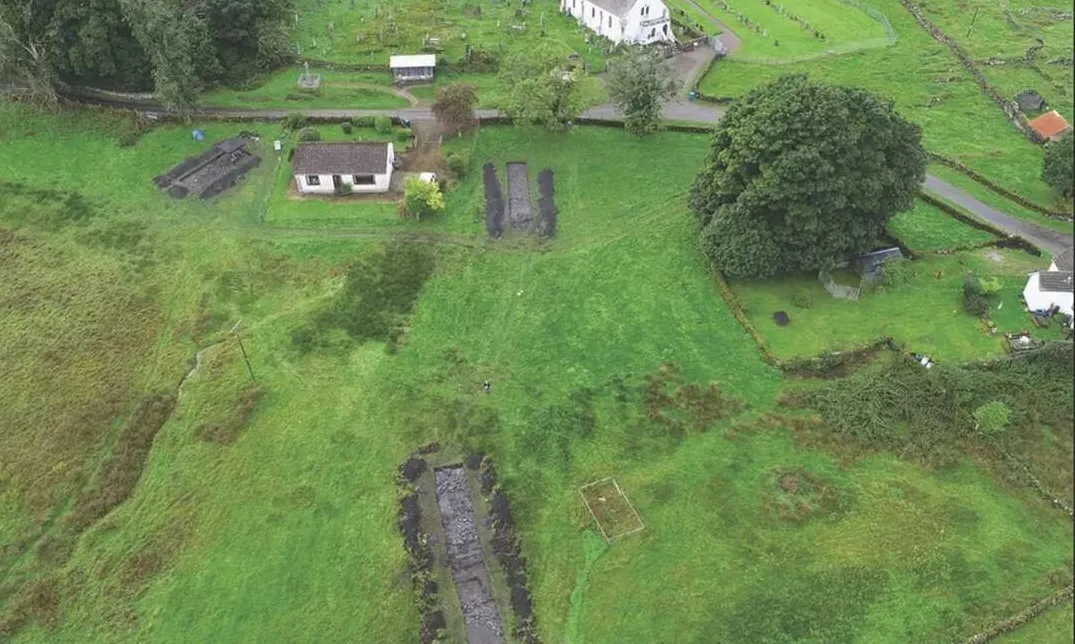
Beyond simply securing a route for passing herds, the initiative has sparked a massive environmental restoration effort. Villagers and forestry partners have planted over 100,000 native trees inside the corridor, utilizing 30 different species carefully chosen to mimic the historical landscape. Fruit-bearing trees such as sycamore figs and wild mangos provide abundant food for local wildlife, which in turn helps naturally disperse seeds and accelerate reforestation.
Recent satellite imagery already shows young trees growing rapidly above head height, breathing new life back into the valley floor. By trusting local communities with forest management and species selection, this inspiring project demonstrates how humans and wildlife can truly thrive together, safeguarding a vibrant and connected planet for generations to come.