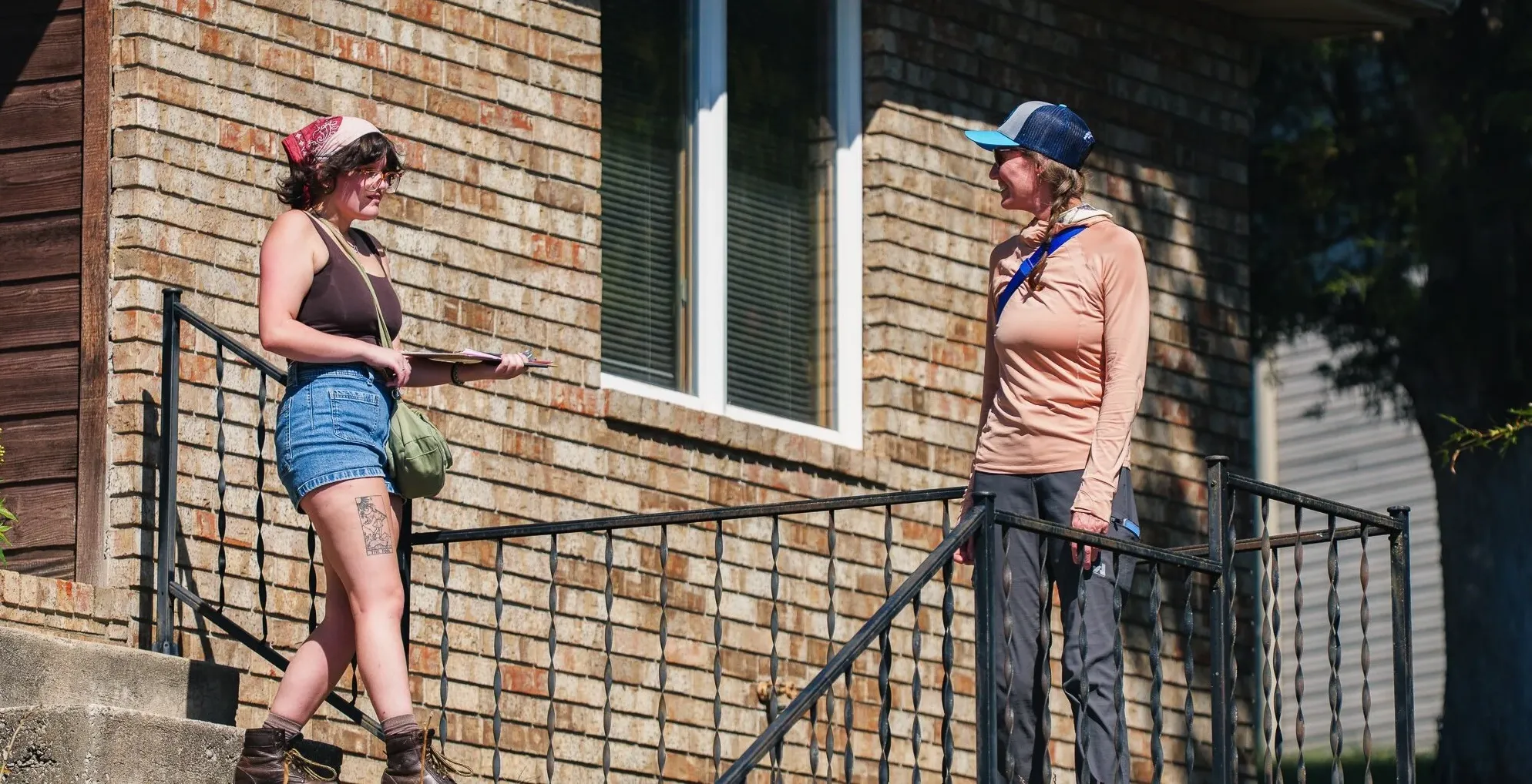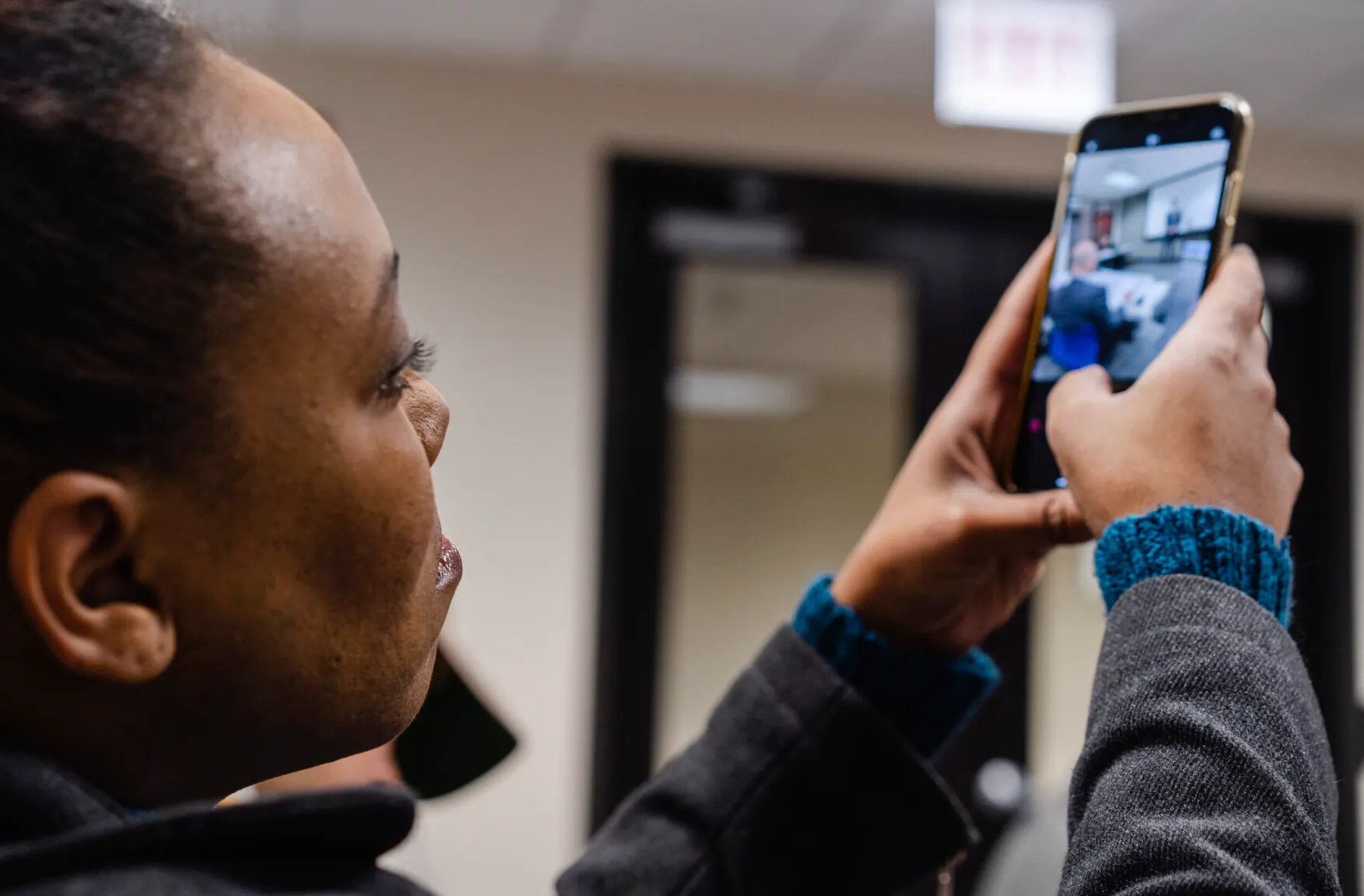
Every few weeks, Jackie Jantzi sits in on school board meetings in Akron, Ohio, carefully taking notes on her laptop. Afterward, she polishes a comprehensive summary of the proceedings to be published online, freely accessible to anyone in her community. Jantzi is not a traditional full-time journalist; she is a local resident participating in an innovative civic initiative known as the Documenters program. Through this project, hundreds of everyday citizens are trained and compensated to record public government meetings, creating a crucial public record that keeps residents informed about the decisions directly affecting their lives.
For Jantzi, participating in local reporting offers a tangible sense of agency that national politics often fails to deliver. While national headlines can feel distant and overwhelming, engaging directly with municipal decisions gives citizens a meaningful voice in shaping their immediate surroundings. By documenting school board decisions, city budget talks, and neighborhood zoning meetings, resident reporters help ensure that local governance remains transparent, accessible, and accountable to the people it serves.
Reclaiming the Local Narrative to Counter National Polarization
Over the past few decades, the media landscape has undergone dramatic shifts. As thousands of local newspapers have downsized or closed, many communities have lost primary sources of reliable information about city council votes and municipal budget negotiations. In the absence of robust local coverage, national news has occupied a larger portion of the public’s daily attention. Because national political media frequently emphasizes partisan conflict, this shift has contributed to growing political polarization across the country.
Research underscores the direct connection between the decline of local media and political division. Studies conducted by political scientists reveal that when communities lose their local newspapers, ticket-splitting and cross-party consensus drop noticeably. When media attention shifts almost exclusively to national battlegrounds, voters are exposed primarily to hyper-partisan framing. Conversely, local reporting naturally centers on practical issues—such as school performance, road maintenance, public safety, and park development—that do not neatly align with national political divides.
When media focus returns to local decision-making, discussions shift away from national ideological warfare and toward practical solutions. Key advantages of prioritizing local news include:
- Focus on Shared Priorities: Municipal decisions center on tangible everyday needs like public health, infrastructure, and education rather than abstract national rhetoric.
- Depolarizing Conversations: Citizens who engage in local discussions tend to converse with greater nuance, recognizing common goals despite differing political backgrounds.
- Fostering Community Connection: Shared coverage of neighborhood events and civic boards provides natural touchpoints for residents to connect and build mutual understanding.
The Documenters Model: Civic Participation in Action
To address news gaps and rebuild civic engagement, pioneering media organizations developed the Documenters model—a system often described as a structured "civic side hustle." Under this model, local residents complete brief training sessions and are paid hourly stipends to attend municipal meetings, take detailed notes, and submit structured summaries for publication. Today, this collaborative approach has expanded into dozens of cities, offering a sustainable way to expand coverage while actively involving the public.
In Akron, Ohio, this network includes hundreds of trained resident reporters spanning diverse age groups, backgrounds, and neighborhoods. Participants range from college students and retirees to individuals re-entering the workforce. By drawing reporters from every zip code in the metropolitan area, the initiative fosters a newsroom that reflects the full diversity of the community it serves.
This grassroots approach also plays a vital role in restoring public trust. While readers may feel skeptical of distant media institutions, they naturally hold greater trust in reports produced by their own neighbors. When local residents see their peers sitting in public meetings and making the proceedings transparent, faith in local journalism and civic institutions begins to renew.
Building Nuance, Trust, and Accountability
The positive impact of local civic journalism extends beyond basic meeting summaries. In several regions, news organizations have experimented with replacing national political columns with locally written commentaries and community-focused discussions. Researchers evaluating these shifts found that reducing national partisan commentary helped slow down political polarization and encouraged healthier dialogue among residents with differing views.
While local issues can still inspire passionate debate—particularly regarding school policies or public safety—participating in or following municipal discussions offers citizens direct insight into how decisions are actually made. Seeing governance unfold in real time reveals the nuance inherent in policy choices, steering public discourse away from binary "us versus them" mindsets.
By empowering citizens to report on their own governance, communities across the nation are discovering a powerful tool for connection. As more cities embrace participatory journalism, neighbors are finding common ground, revitalizing public trust, and building stronger, more informed communities from the ground up.