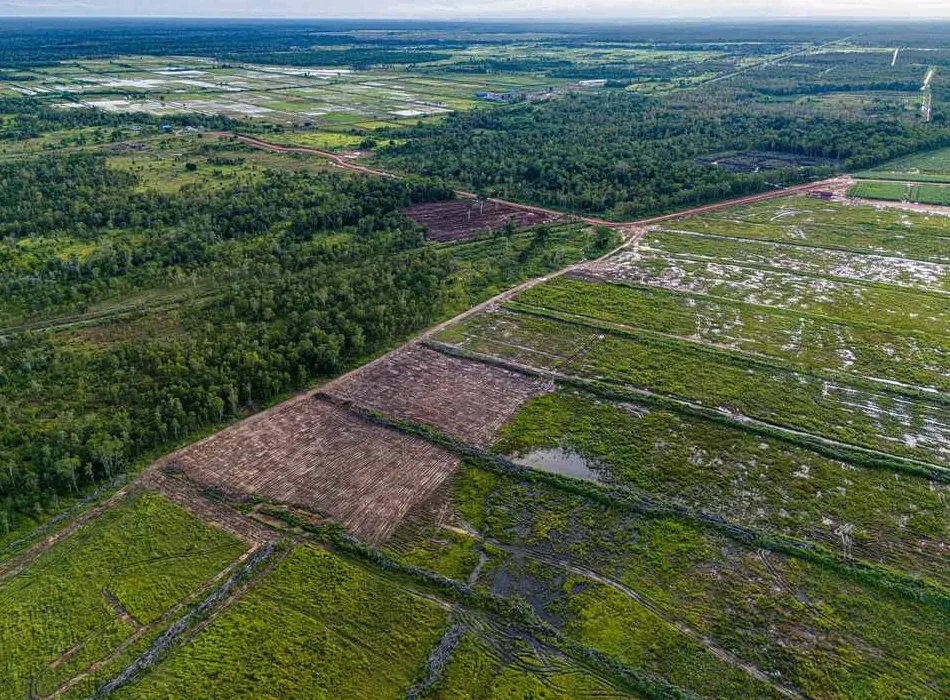
In a monumental win for global biodiversity and climate action, Indonesian authorities have officially paused—and potentially ended—what was slated to be the world's largest deforestation project. Thanks to soaring agricultural efficiency and a breakthrough in national food production, approximately 4 million acres of precious rainforests, swamps, and peatlands will now be spared from conversion.
Early Rice Self-Sufficiency Protects Ecosystems
The remarkable policy shift comes after Indonesia successfully achieved self-sufficiency in rice cultivation a full three years ahead of the government's original schedule. This milestone was reached through a combination of enhanced crop varieties, targeted government fertilizer subsidies, and effective farming incentives.
Originally, an ambitious executive initiative threatened to convert 4.4 million acres of pristine forest into massive rice and sugarcane plantations stretching out to 2029. However, during a sustainability forum in Jakarta, government officials announced a new path forward. Highlighting the shift, the president's special envoy for climate and energy confirmed that these untouched forests would remain protected because the nation no longer needs to expand rice cultivation into ecologically sensitive zones.
A Commitment to Sustainable Degraded Land Use
Rather than clearing thriving ecosystems on islands like Kalimantan and the vast peatlands of South Papua on New Guinea, future agricultural expansions will focus strictly on previously degraded terrain. Leaders from the agriculture and forestry ministries, alongside the National Economic Council, have agreed to pivot entirely toward revitalizing more than 28 million acres of already degraded land for food and bioethanol production.
- Major Milestone: 4 million acres of rainforest, swamps, and peatlands spared from destruction.
- Strategic Pivot: Future agricultural projects will utilize over 28 million acres of degraded land.
- Climate Impact: Vital carbon-sequestering peatlands in South Papua and biodiverse habitats in Borneo remain safe.
Environmental advocates and local indigenous groups, who fiercely resisted the original plantation plans, have welcomed the decision. Conservation leaders have hailed the move as a globally significant victory for people, nature, and climate resilience, marking a promising new era of sustainable land stewardship in one of the planet's most biodiverse regions.