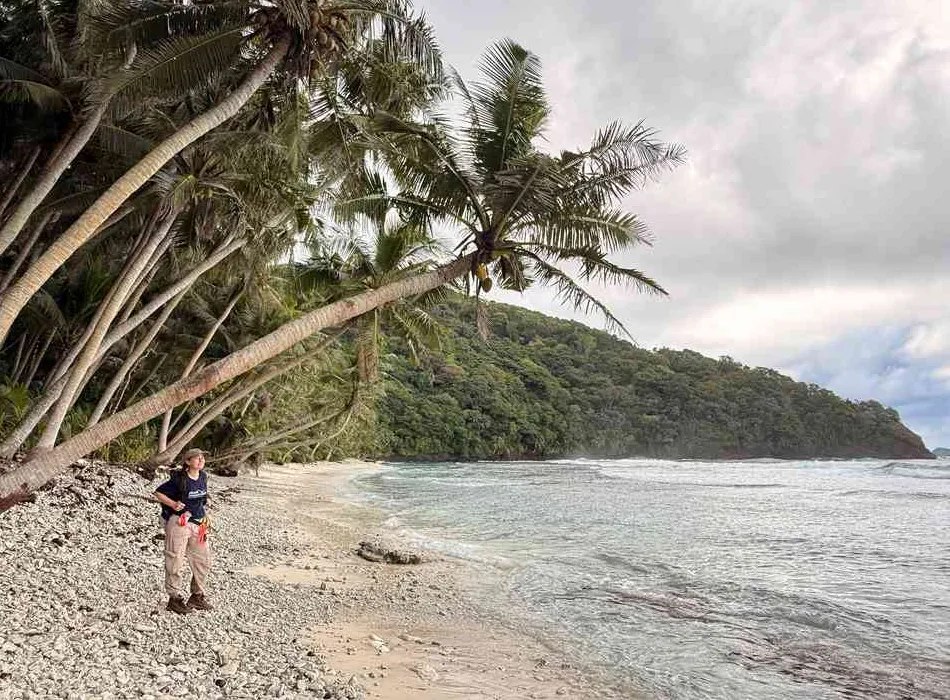
Just one year after dedicated ecological restoration efforts began in Samoa, forests, wildlife, and local food resources are showing remarkable signs of recovery. Nu’utele Island, widely celebrated as a Key Biodiversity Area, is home to some of the country’s most pristine native forests. Like many idyllic islands across the Pacific, however, it previously suffered from severe ecological degradation caused by invasive species, particularly rats and feral pigs that disrupted the soil and choked out native vegetation.
Rapid Forest Regeneration and Thriving Ecosystems
Thanks to a collaborative partnership involving Samoa’s Ministry of Natural Resources and Environment (MNRE), the Pacific Regional Invasive Species Management Support Service (PRISMSS), local community members, and conservation organizations, these damaging invasive species were successfully removed. The ecological response has been nothing short of swift and inspiring.
Where forest regeneration was once entirely suppressed, native seedlings are now carpeting the forest floor. Local residents are also experiencing the direct benefits of this renewal, successfully growing and harvesting giant taro plants in areas where crops previously failed. These encouraging changes clearly point to the rapid recovery of vital natural processes and healthier watersheds.
- Knee-high native seedlings are thriving across the forest floor.
- Local agriculture is flourishing as giant taro crops return to previously degraded soil.
- Natural infrastructure is strengthening, helping to anchor soils and reduce erosion.
A Safe Haven for Returning Native Birds
The successful removal of invasive predators has set the stage for an incredible resurgence of native bird populations. Nu’utele currently supports the largest remaining population of the shy ground dove in Samoa. Just one month after the invasive species removal, researchers made the thrilling discovery of several active nests containing eggs safely tucked away in bird’s-nest ferns.
Furthermore, field teams recorded a nest belonging to the endemic Samoan starling and witnessed encouraging breeding activity among other native species, including the endemic flycatcher and whistler. Because many island-endemic birds evolved without ground predators, they lack natural defenses against rats, making these safer breeding conditions an absolute triumph for local biodiversity.
A Blueprint for Future Pacific Conservation
The inspiring turnaround on Nu’utele Island demonstrates the profound impact that dedicated teamwork can achieve. By combining community knowledge, government support, and expert conservation strategies, fragile island ecosystems can bounce back with astonishing resilience. Long-term monitoring will continue to track this vibrant recovery, paving the way for future climate resilience and conservation initiatives throughout the region.