Across the globe, communities are finding clever, sustainable ways to tackle modern challenges—from managing urban wildlife to reimagining how we cool our largest public spaces. By shifting our perspective and leaning into innovative design, we can solve complex environmental and infrastructure problems while building a more harmonious world.
Community-Led Urban Wildlife Solutions
In Washington, D.C., a growing rat population has inspired a unique grassroots movement. Rather than relying heavily on traditional rodenticides, a dedicated group of local volunteers known as the "Rat Rangers" are educating their neighbors on prevention and proactive waste management.
This inspiring initiative flips the traditional narrative of urban pests, reminding us that human habits are often at the root of the issue. By making a few simple lifestyle adjustments, residents can dramatically reduce infestations:
- Proper Waste Disposal: Compost food waste or utilize kitchen garbage disposals instead of leaving organic matter exposed.
- Strategic Timing: Place trash outside close to scheduled pickup times rather than leaving bins unattended overnight.
- Secure Bins: Ensure all outdoor waste containers are tightly sealed to deter scavenging wildlife.
Naturally Cooled Architecture in Tropical Climates
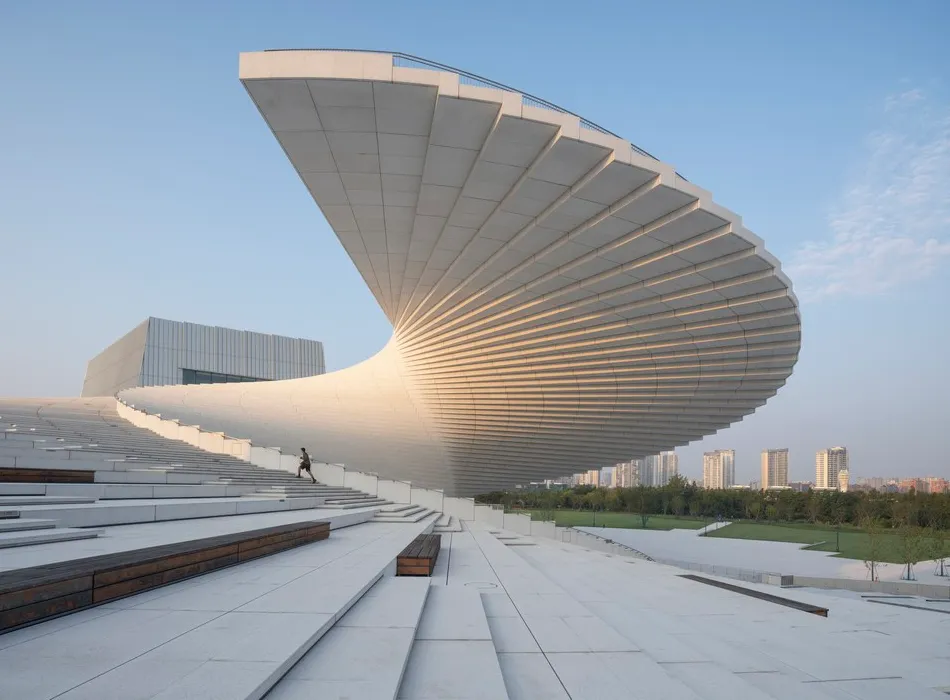
Moving from city streets to international transit, a stunning architectural achievement on Réunion island demonstrates that modern cooling does not always require energy-intensive air conditioning. At Roland Garros airport, an innovative roof and ceiling design harnesses natural breezes to keep passengers comfortable.
By maintaining an indoor air temperature equal to the outdoors while generating a gentle, continuous airflow, the airport has achieved remarkable milestones:
- Significant Financial Savings: The facility saves approximately €150,000 ($170,000 U.S.) annually in energy bills.
- Drastic Carbon Reduction: Carbon emissions are a mere one-eighth of what a comparable, fully air-conditioned building would produce.
- Enhanced Passenger Comfort: Advanced airflow engineering proves that tropical architecture can prioritize sustainability without sacrificing user experience.
Core Takeaways for a Sustainable Future
Whether it is neighbors coming together to manage urban ecosystems or engineers designing zero-air-conditioning airports, these stories highlight the power of human ingenuity. By rethinking our daily routines and embracing smart, natural design, we can foster resilient and thriving communities.