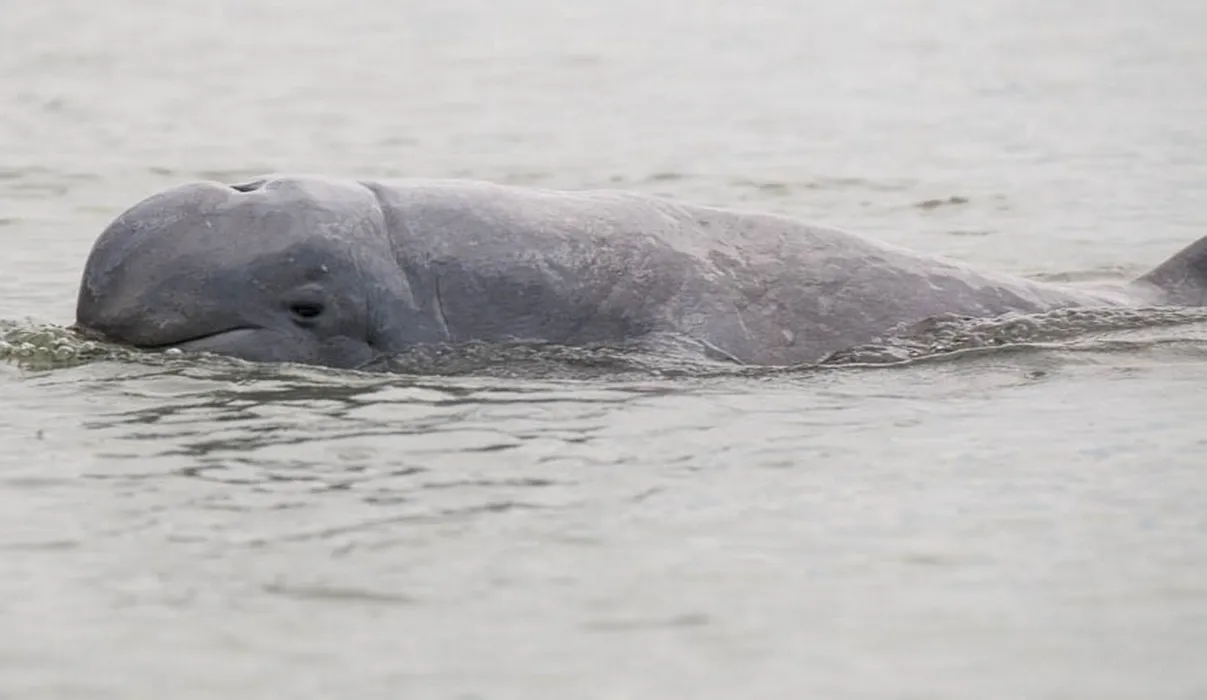
In a heartening development for global freshwater conservation, one of the world's most vulnerable aquatic species is demonstrating inspiring resilience. Along a scenic 75-mile stretch of the Mekong River in northeastern Cambodia, the sacred Irrawaddy dolphin population has welcomed six new calves following a successful breeding season. This recent arrival brings the regional sub-population up to 118 individuals, offering renewed optimism for researchers and local communities alike.
Irrawaddy dolphins (Orcaella brevirostris) are easily recognized by their distinctively rounded heads and snub-nosed profiles. While modern infrastructure and human activity have fragmented their numbers across Southeast Asia, the freshwater population residing in Cambodia remains the largest remaining group in any river system worldwide. Conservationists view the birth of these six calves as a clear sign that endangered cetaceans can recover when environmental threats are actively managed.
Cultural Reverence and Strong Community Engagement
The survival of the Mekong’s Irrawaddy dolphins is deeply tied to the cultural heritage of the region. Across both Laos and Cambodia, long-standing spiritual traditions and indigenous folklore hold these gentle creatures in sacred regard. Local belief systems often view the dolphins as reincarnations of revered ancestors, with centuries-old accounts telling of dolphins rescuing drowning villagers and shielding rivergoers from danger. This profound respect has fostered a harmonious relationship between residents and wildlife for generations.
Conservation science increasingly emphasizes that community buy-in and local stewardship are among the most critical factors in helping an endangered species recover. For the Irrawaddy dolphin, this protective cultural attitude translates directly into active environmental care:
- Active Local Guardianship: Riverfront residents monitor sanctuary waters and actively discourage illegal or harmful fishing practices.
- Economic Diversification: Initiatives that promote alternative, sustainable livelihoods have successfully reduced community reliance on heavy fishing in key dolphin habitats.
- Ecotourism Opportunities: Responsible wildlife watching generates positive economic support for river villages while preserving the natural ecosystem.
Navigating Environmental Challenges on the Mekong
Despite these uplifting milestones, river ecosystems continue to face complex environmental pressures. Primary challenges within the Mekong habitat include:
- Gillnet Entanglement: Unattended fishing nets present a persistent hazard, particularly for young, curious calves learning to navigate their surroundings.
- Ecological Alterations: Upriver dam developments have altered water dynamics and altered natural river flows across Southeast Asia.
Nevertheless, the successful calving season confirms that the river's food web remains robust enough to support growing dolphin families. With communities actively maintaining protective zones and safeguarding nursery areas, the future for these sacred river guardians looks increasingly bright.
Core Conservation Takeaways
- Significant Population Growth: Six new calves have boosted the Mekong river dolphin population to 118 individuals in northeastern Cambodia.
- Cultural Protection: Ancestral reverence and local traditions serve as a powerful catalyst for species preservation.
- Sustainable Harmony: Transitioning communities toward eco-friendly livelihoods ensures long-term safety for freshwater wildlife.
This triumphant breeding season highlights the powerful impact of community-led conservation, proving that when cultural reverence and ecological management align, endangered species can thrive once again.