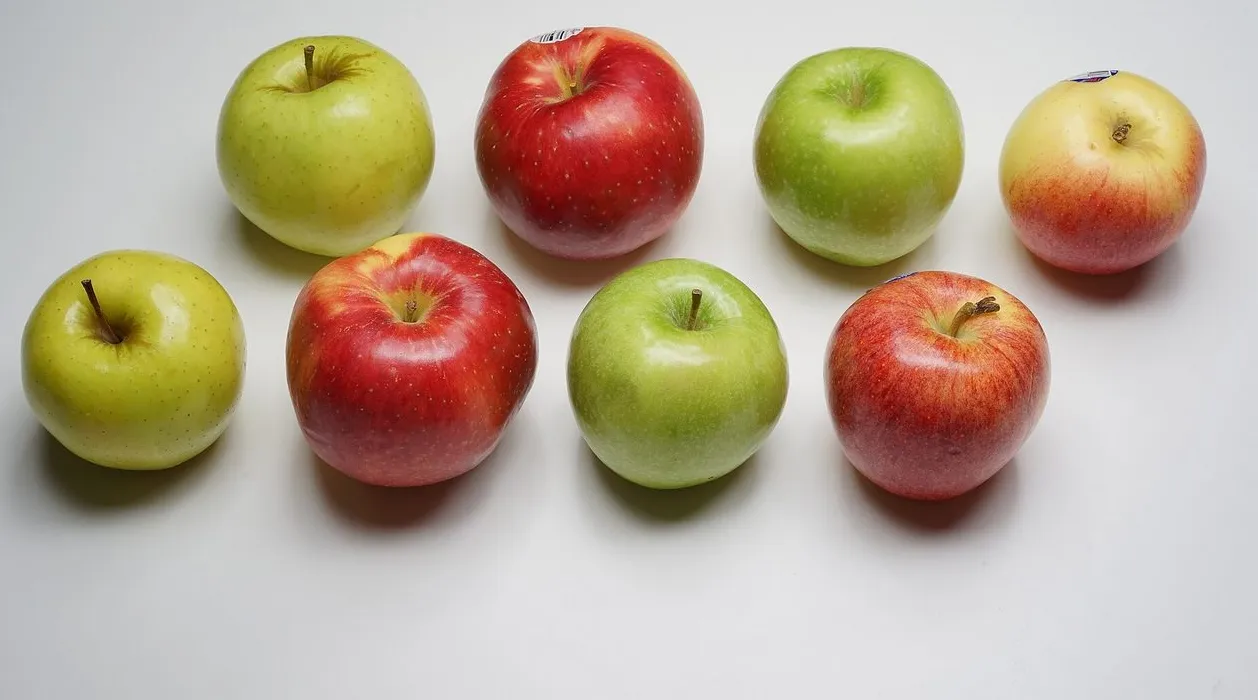
When walking through the produce section of almost any modern supermarket, shoppers are typically greeted by a reliable, if predictable, selection of fresh apples. Bright red, smooth green, and uniform golden varieties dominate the displays. While these familiar cultivars rank among the most frequently consumed fruits on the planet, an innovative agricultural initiative is setting out to radically diversify our fruit bowls by reviving forgotten alpine heirloom varieties and bringing them to market on a commercial scale.
For generations, orchards across the world celebrated an extraordinary wealth of fruit diversity. In the nineteenth century alone, thousands of unique cultivars were actively cultivated, each developed to suit specific microclimates, culinary uses, and preservation methods. Over time, industrialized agriculture narrowed commercial production to a tiny fraction of these fruits, prioritizing uniform aesthetics, long shelf lives, and high yields over variety. Today, an ambitious partnership between regional agricultural specialists and major retail grocers is working to rewrite that script, demonstrating that centuries-old heritage apples still have a vital role to play in modern food systems.
Reclaiming Agricultural Heritage and Biodiversity
The new initiative focuses on cultivating and commercializing rare alpine varieties that were first identified and nurtured more than a century ago. Among the prominent varieties entering trial cultivation are the Ilzer Rose, a celebrated cultivar originating in the 1840s from the rolling hills of Styria, and the Falchs Gulderling, a distinct mountain apple documented in the 1870s in South Tyrol. These names carry the charm, ingenuity, and cultural history of the rural communities that first perfected them.
The effort reflects a growing shift in consumer awareness. Shoppers are increasingly seeking a deeper connection to where their food originates, desiring transparency, regional provenance, and the authentic taste profiles that industrial monoculture often leaves behind. Rather than viewing heirloom apples merely as botanical museum pieces, the growers behind this project believe that reconnecting consumers with historical varieties enriches both cultural heritage and public appreciation for biodiversity.
While around 7,500 apple varieties are known to exist worldwide today—and historically, more than 17,000 distinct cultivars were documented in North America alone during the eighteenth and nineteenth centuries—most consumers encounter only three to five varieties in standard grocery aisles. By reintroducing these time-tested varieties to commercial distribution, agricultural innovators hope to spark a renaissance of flavor and curiosity at the dining table.
Testing Alpine Cultivars for Contemporary Resilience
Reviving historical fruit varieties is not simply a romantic nod to the past; it is an exercise in rigorous agricultural testing. Cultivars bred for contemporary commercial farming are engineered for intense pest resistance, mechanical harvesting resilience, and standardized coloration. Heirloom trees, by contrast, evolved in different farming eras and under distinct ecological conditions.
To evaluate whether historic cultivars can flourish under contemporary farming practices and climate conditions, growers established a dedicated experimental research orchard featuring 2,150 heritage trees. The project examines every stage of cultivation, monitoring how the trees respond to natural weather fluctuations, modern pruning techniques, and organic pest management. The primary goal is to ensure that commercial fruit growing can sustainably incorporate these heritage genetics without sacrificing fruit vitality or orchard health.
The very first harvests from this experimental orchard have already been gathered, making their way to metropolitan markets for consumer trial runs. Early taste evaluations have been overwhelmingly encouraging. Tasters and project directors note that varieties like the Ilzer Rose and Falchs Gulderling deliver an unmistakable aromatic depth and balanced acidity that evoke cherished childhood memories of rustic orchard fruit.
Why Heirloom Diversity Matters for the Future of Food
Expanding the genetic pool in commercial fruit distribution offers substantial ecological and cultural benefits that extend far beyond pleasant nostalgia. As agriculture faces shifting climates and evolving ecological demands, maintaining and deploying broad genetic diversity is more crucial than ever.
- Enhanced Agricultural Resilience: Heirloom varieties carry diverse genetic traits developed over centuries of regional adaptation, offering natural resistance characteristics that can help bolster orchard ecosystems against unexpected climate shocks.
- Revitalization of Regional Food Culture: Bringing localized cultivars back to market protects culinary history, preserving flavors and food traditions that would otherwise be lost to standardization.
- Support for Pollinators and Orchard Ecology: Diverse orchard plantings foster robust micro-habitats, supporting a wider range of beneficial insects, pollinators, and soil microbes compared to strict monoculture groves.
- Reigniting Consumer Appreciation: Offering apples with distinctive shapes, textures, and nuanced flavor profiles invites consumers to engage actively with seasonal, regionally grown food.
If these initial commercial trials continue to succeed, project organizers plan to expand cultivation across wider distribution networks, proving that the agricultural treasures of the past can actively enrich the sustainable food systems of tomorrow.