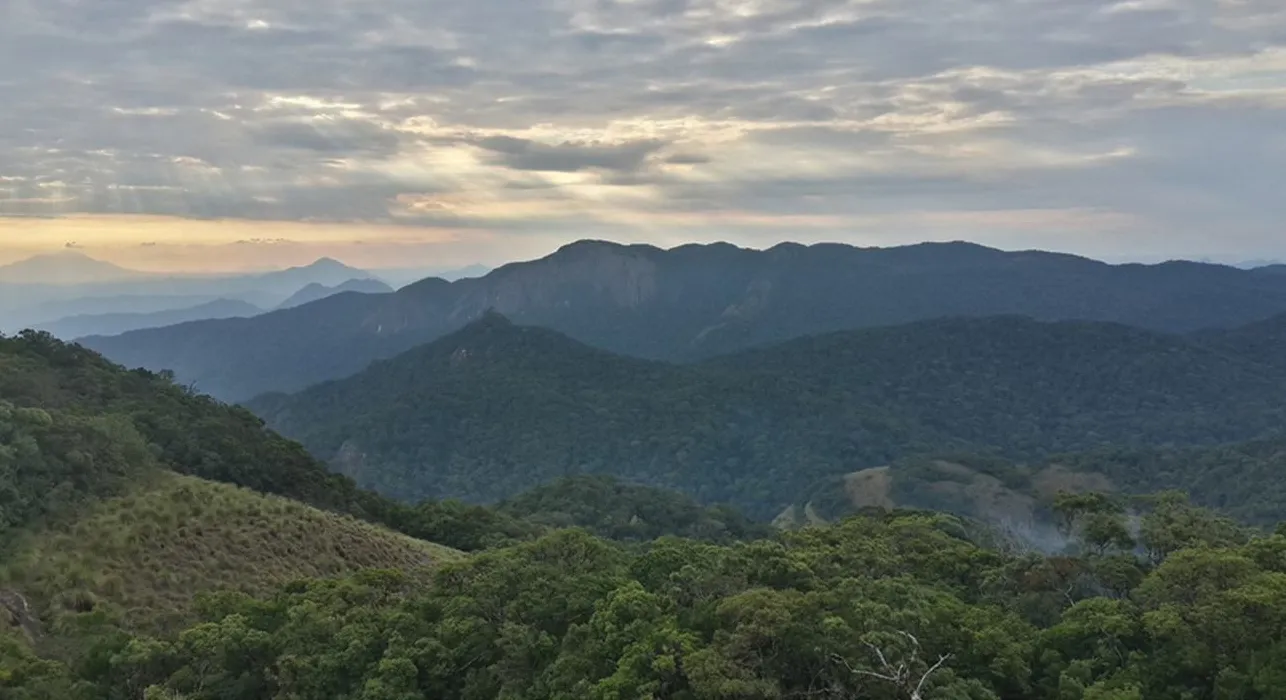
In a monumental victory for global biodiversity, a recent government decree has officially set aside 23,000 acres as the Mount Mabu Community Conservation Area in Mozambique. This vital ruling safeguards one of the wettest and most ecologically rich areas in southern Africa, affectionately known worldwide as the 'butterfly forest.' Home to more than 200 distinct butterfly species and countless other rare creatures, Mount Mabu represents a thriving oasis of life that is finally receiving the formal protection it so richly deserves.
The Ecological Wonder of Mount Mabu
Rising dramatically from the landscape, Mount Mabu and its neighboring mountain chain boast remarkably high rates of endemism, meaning they harbor unique species found nowhere else on Earth. Decades of dedicated scientific research have unveiled an astonishing array of flora and fauna, including species completely new to science such as the Mount Mabu forest viper. Originally brought to international prominence by renowned naturalist Sir David Attenborough during a BBC broadcast in 2013, the region was celebrated for its breathtaking populations of butterflies.
Experts have long marveled at the sheer scale of the ecosystem, describing the slopes as possibly the largest continuous block of medium-altitude forest remaining in southern Africa. Because the mountains are traditionally treated as sacred by local communities, the new conservation framework blends grassroots reverence with official government backing to ensure these natural riches endure for generations to come.
Core Takeaways of the Mount Mabu Conservation Victory
- Protected Status: A sweeping 23,000-acre decree establishes the Mount Mabu Community Conservation Area.
- Unmatched Biodiversity: Home to over 200 butterfly species and rare endemic wildlife found only in this specific mountain chain.
- Community-Led Stewardship: The reserve is dedicated to the protection, conservation, and sustainable use of natural resources in collaboration with local residents.
- National Milestone: This initiative builds upon Mozambique's broader environmental success, which now sees roughly 25% of its national territory preserved in various capacities.
A Brighter Future for Mozambique Conservation
Mozambique has experienced profound transformation in recent decades. As the nation continues to heal and flourish following past conflicts, its focus has increasingly shifted toward safeguarding its pristine natural heritage. Rather than waiting for ecosystems to degrade and require expensive restoration, proactive measures like the Mount Mabu decree successfully protect thriving wildernesses before they face imminent threats.
With a comprehensive community management plan currently in development, the outlook for Mount Mabu is exceptionally bright. By empowering local residents who have guarded these sacred slopes for generations, Mozambique continues to set an inspiring global example of harmony between humanity and the natural world.