Every fall, the conversation naturally turns to staying well through cold and flu season. While many people immediately reach for supplements like vitamin C, zinc, and elderberry, the spice rack you walk past every morning has a powerful role to play in supporting your immunity as well. The research behind culinary herbs and spices is remarkably robust, showing that everyday kitchen staples offer substantial health benefits.
Six common herbs and spices—turmeric, garlic, ginger, oregano, basil, and rosemary—contain bioactive compounds that support immune function through antioxidant, anti-inflammatory, and antimicrobial effects. While they are not replacements for sleep, exercise, or a balanced diet, incorporating them regularly into your cooking is a delicious and effective way to bolster your health. Here is what registered dietitians say about each one.
Turmeric and Curcumin
Turmeric's immune benefits come down to curcumin, its main active compound. Curcumin promotes the health of T cells, B cells, and macrophages, which are the vital cells your immune system uses to fight germs and other threats. It also lowers the activity of proteins that trigger inflammatory chemicals in the body, helping to keep chronic inflammation in check.
Because the body does not absorb curcumin well on its own, a simple culinary trick makes all the difference: combine turmeric with a small pinch of black pepper. Black pepper contains piperine, which slows curcumin's breakdown in the digestive system and allows more of it to reach the bloodstream. Enjoy turmeric stirred into lentil soup, mixed into a warm cup of golden milk, or blended into a vibrant morning smoothie.
Garlic and Ginger for Cellular Defense
Garlic contains allicin, a bioactive compound found to be antifungal, antibacterial, antiviral, and antimicrobial. These properties make it a fantastic ally for fighting common colds and infections. Additionally, garlic acts as a great prebiotic, feeding the good bacteria in your gut. Because a well-fed gut microbiome and a well-functioning immune system go hand in hand, garlic offers a double benefit for overall wellness.
Ginger contains gingerol, a compound with powerful anti-inflammatory and antioxidant effects. Gingerols suppress inflammatory pathways, giving immune cells increased stamina to fight infections and a more robust response to pathogens. Fresh ginger added to a hot cup of tea or simmered in a vegetable broth is an easy and soothing way to enjoy its benefits daily.
Oregano, Basil, and Rosemary
Plant-based aromatics pack an incredible nutritional punch for your immune system:
- Oregano: Contains carvacrol and thymol, which offer protection against viruses and bacteria, alongside rosmarinic acid to limit inflammation.
- Basil: Features apigenin, linalool, and ursolic acid with antiviral properties, plus vitamins A and C, quercetin to help absorb zinc, and anthocyanins for gut health.
- Rosemary: Packed with linalool, carnosic acid, and rosmarinic acid to reduce oxidative stress, while helping the body produce glutathione, a natural antioxidant.
Fresh Versus Dried Herbs
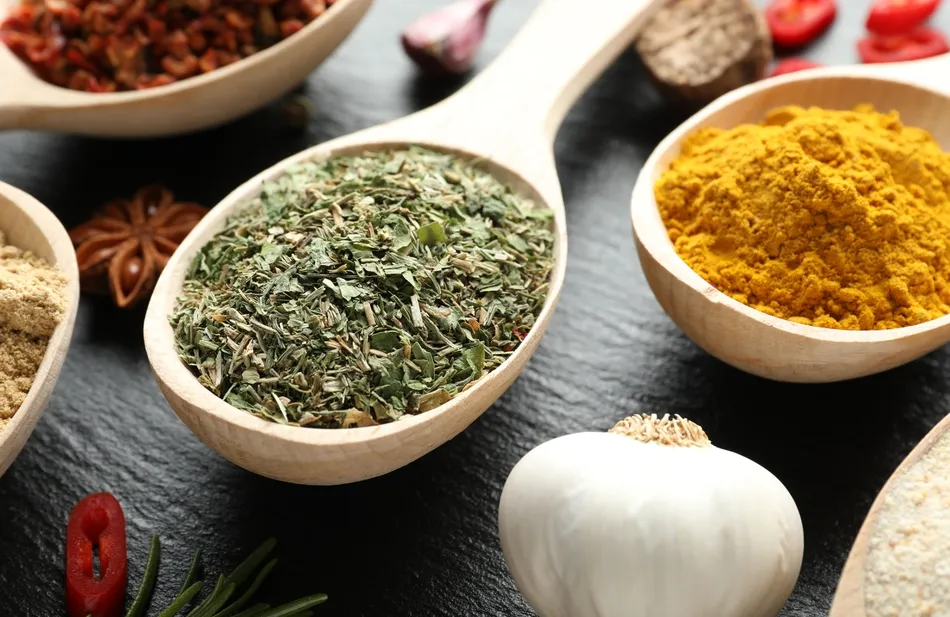
While fresh herbs generally contain higher levels of antioxidants and anti-inflammatory compounds, dried herbs offer concentrated amounts of minerals and essential oils while lasting much longer in your pantry. When fresh options are readily available, enjoy using them to brighten your meals. When they are not, dried herbs serve as a wonderfully convenient and nutritious backup.