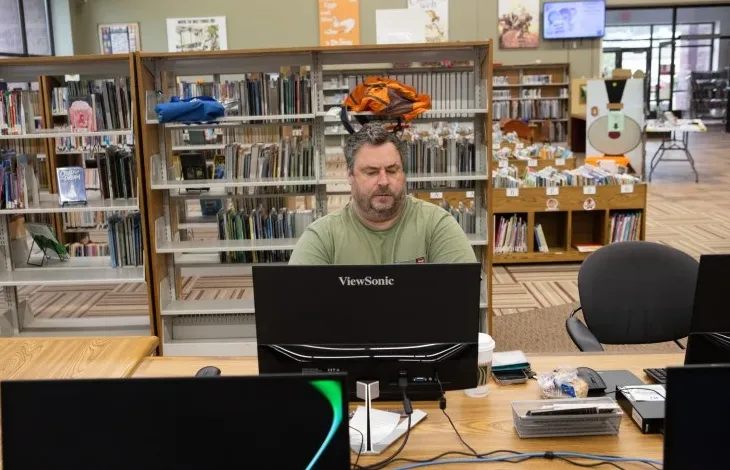
For many community members, visiting the local library after hours has become a wonderful way to get work done, seek respite from the weather, or handle time-sensitive tasks, regardless of the day of the week. Innovations in rural library systems are making this flexibility a reality.
How Extended Access Empowers Rural Communities
Innovative initiatives often called “extended access,” “Open+ Access,” or “expanded access” allow users to enter library branches when they are unstaffed. This empowers more people to use the facilities, especially those whose work and family schedules make it difficult to visit during traditional operating hours.
To use an unstaffed library, visitors typically need a valid local library card and must enroll in the extended-access program. Depending on the location, registration may require an in-person orientation, a brief review of safety features like emergency exits and first aid kits, and meeting age requirements, which generally range from 14 to 18 years old.
- Flexible Scheduling: Access spaces for working on novels, studying, or filing important documents outside of standard hours.
- Enhanced Safety: Secure card-swiped entry combined with modern security cameras ensures a safe environment for everyone.
- Core Services Maintained: Visitors can still read and borrow books, make copies, and use computers during unstaffed hours.
Growing Popularity and Community Impact
Community members who lack alternative evening workspaces have enthusiastically embraced these programs. In Minnesota, dozens of users have registered for extended access, utilizing the Wyoming branch hundreds of times with usage climbing rapidly following successful pilot phases. Similarly, sprawling multi-county systems in Washington state have seen tens of thousands of card swipes during unstaffed hours, proving that public demand for flexible community spaces is remarkably high.
Crucially, library administrators emphasize that extended access programs do not replace staff or reduce employed hours. Instead, they complement existing schedules by offering a valuable bridge when traditional staffing is not feasible, helping rural residents stay connected and productive on their own time.
Looking Toward the Future of Public Spaces
While funding challenges and property tax limitations occasionally require creative budgeting and local collaboration across various regions, the overarching goal remains clear. Communities are dedicated to preserving and even expanding these vital public resources. By blending technology with traditional community hubs, libraries continue to evolve as welcoming, accessible sanctuaries for all.