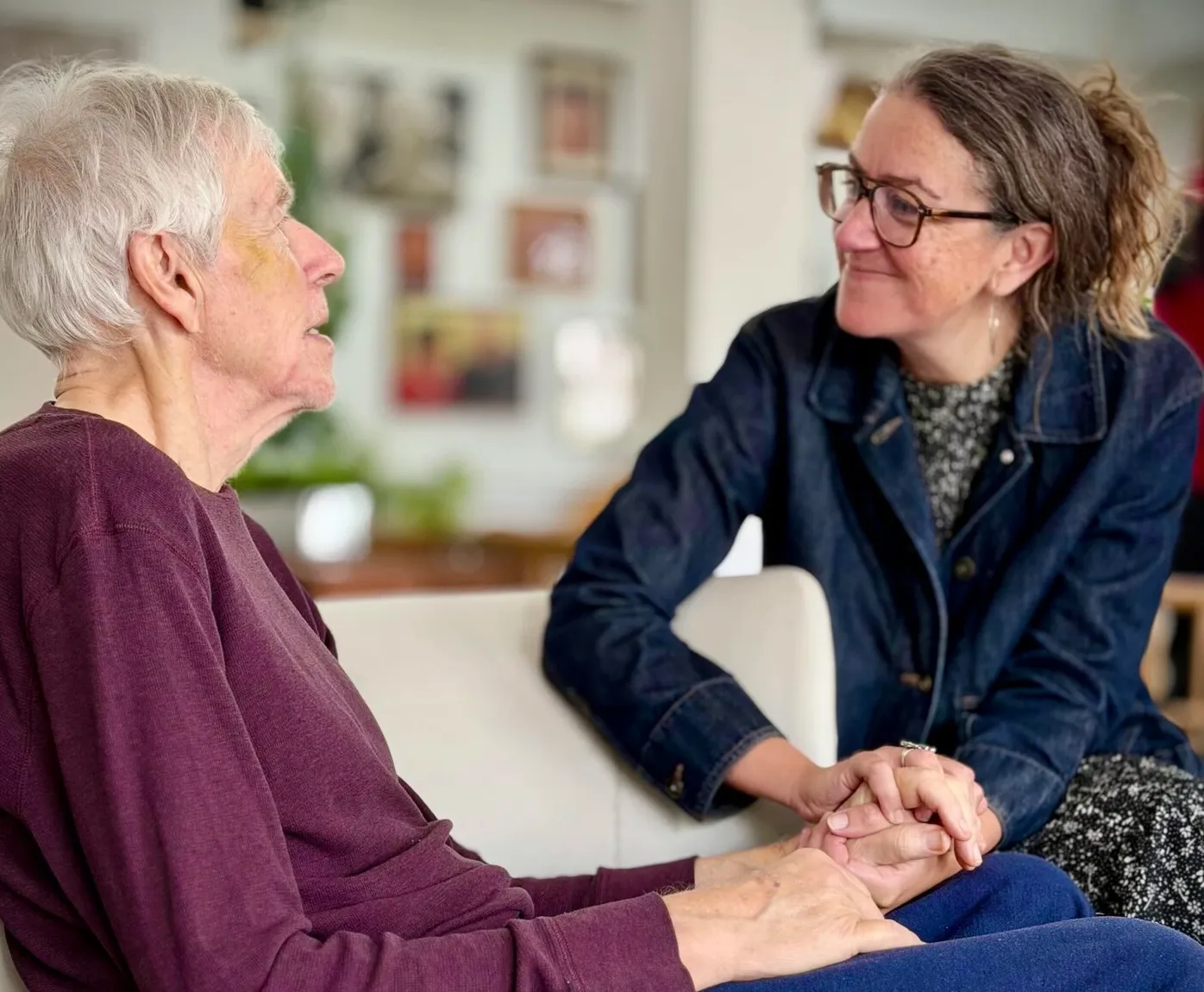
Navigating the complexities of life often reveals unexpected parallels between our personal journeys and the broader world around us. While experiencing the profound challenges of caring for a loved one through the advanced stages of dementia, a powerful realization emerges about resilience, empathy, and the enduring strength of human connection. Just as a deteriorating mind strips away familiar contexts and norms, society sometimes faces turbulent shifts that feel overwhelming and callous. Yet, beneath the surface of hardship, a profound reweaving of community fabric is quietly taking place.
The Power of Local Compassion and Mutual Aid
When facing difficult circumstances, whether within a family or a neighborhood, small acts of kindness often serve as a vital anchor. Caring for someone with cognitive decline requires patience, creativity, and tenderness—from scream-singing favorite songs to diffuse late-day confusion, to sharing ice cream and quiet moments in the backyard. Remarkably, communities often rise to meet these moments with grace. Neighbors step in to guide wandering loved ones home, and strangers warmly welcome bewildered visitors into their family picnics.
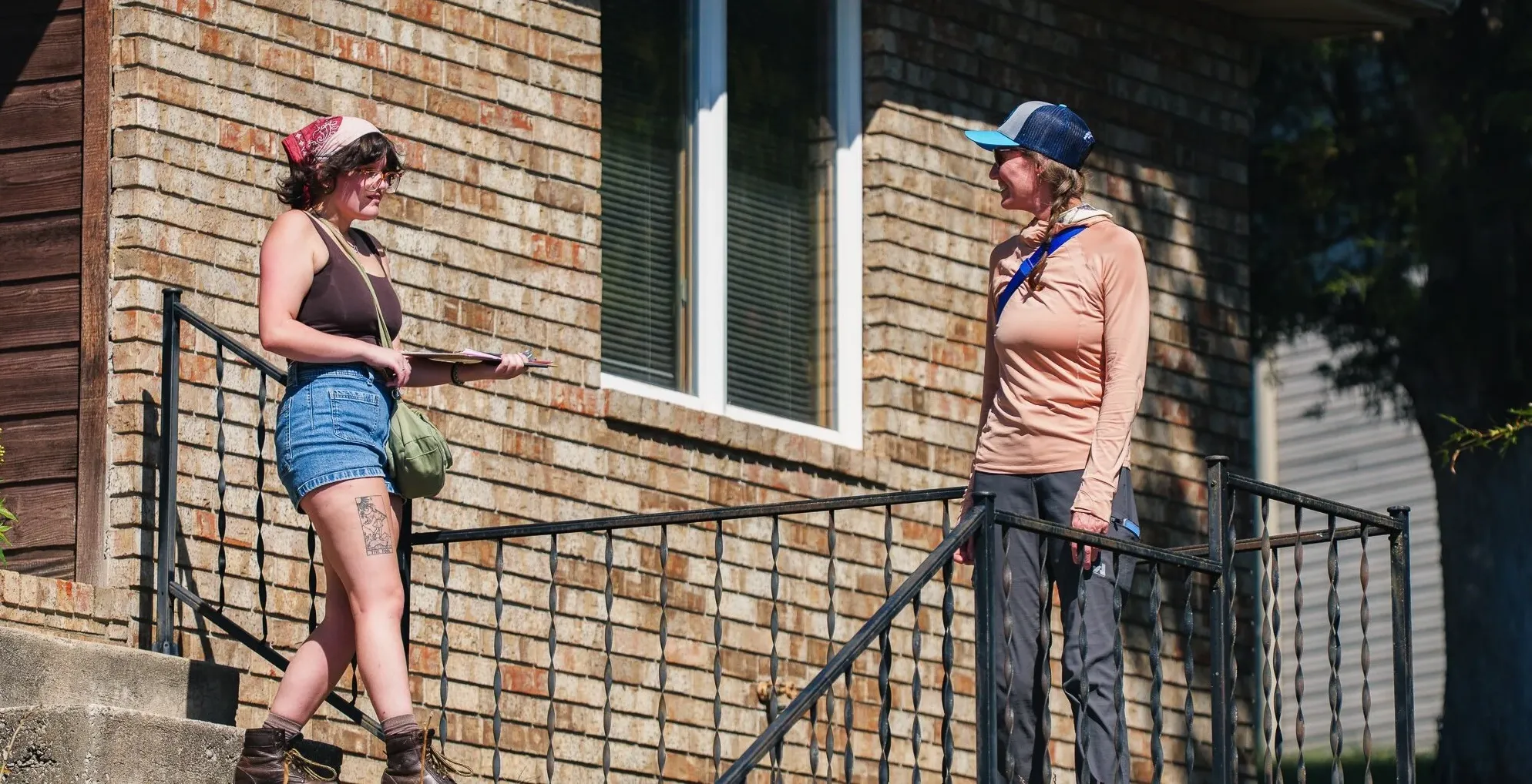
This same spirit of grassroots tenderness is visible across society. While major headlines often highlight friction and systemic challenges, inspiring initiatives are flourishing at the local level:
- Young people planting community gardens to foster safety and connection in urban neighborhoods.
- Families and caregivers organizing bike buses to encourage active, joyful school commutes.
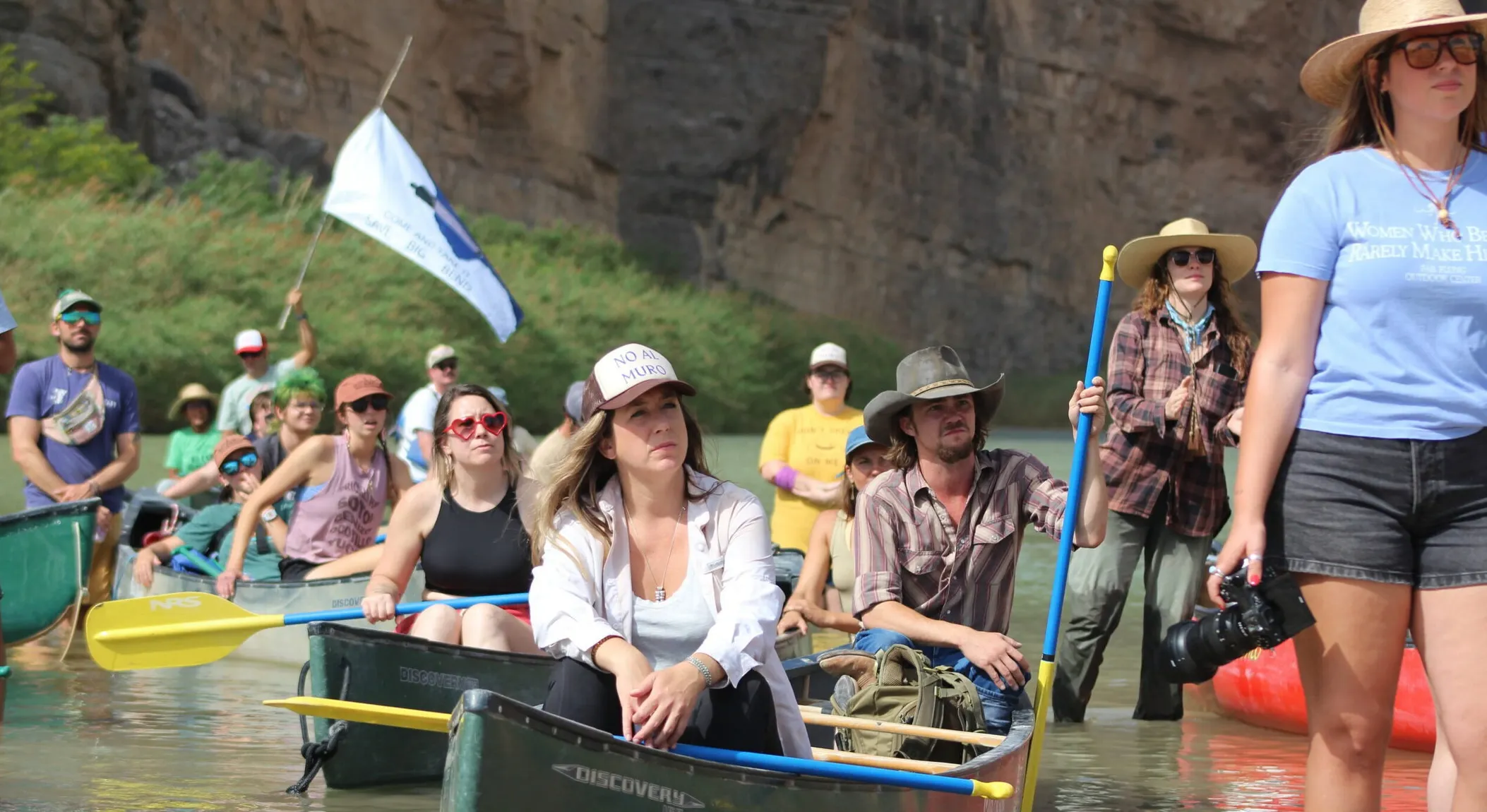
- Diverse communities gathering for cultural parades that celebrate unity, joy, and shared heritage.
- Grassroots organizers working tirelessly to bring essential infrastructure, such as clean water and indoor plumbing, to underserved areas.
Embracing the Wisdom of 'Small Is Beautiful'
As technology and rapid change continue to shape the modern landscape, there is a growing call to return to the human scale. This approach encourages focusing on immediate surroundings, nurturing relationships with neighbors, and building resilient cultures of mutual aid. By narrowing our focus to what is tangible and local, we can foster deeper understanding and support for those around us.
Core Takeaways for Fostering Community Resilience
Ultimately, navigating challenging times is not about ignoring difficulties, but rather about choosing to show up with dedication and heart. By embracing the sacred practice of caring for one another—both within our families and across our neighborhoods—we rediscover the tenderness and strength that define our shared humanity.