In the rugged expanse of West Texas, where the Rio Grande carves dramatic paths through ancient stone, an unexpected movement of unity has taken root. When heavy machinery arrived at the threshold of the iconic Santa Elena Canyon in Big Bend to carve out a new patrol corridor alongside an existing roadway, the response from surrounding communities was swift, passionate, and remarkably harmonious. Rather than deepening ideological divides, the effort to safeguard one of America’s most striking natural landscapes has brought people from across the political and cultural spectrum together in common purpose.
A Natural Wonder Built by Time
Santa Elena Canyon stands as one of the most breathtaking geological formations in North America. Its towering 1,500-foot limestone cliffs rise vertically from the desert floor, creating a dramatic corridor that has stood undisturbed for millions of years. For generations of residents, ranchers, scientists, and outdoor enthusiasts, this towering canyon is far more than a geographical landmark; it serves as a shared sanctuary and a majestic natural boundary formed long before human borders existed.
When early construction activities began clearing ground near the canyon’s mouth, video documentation quickly resonated nationwide. The visual contrast between raw desert beauty and rumbling earthmovers struck a deep chord with those who hold the Big Bend region dear. In an era often characterized by division, the prospect of altering this pristine ecosystem sparked an immediate, shared commitment among neighbors to protect a space they all cherish.
Community Action and Stewardship on the Ground
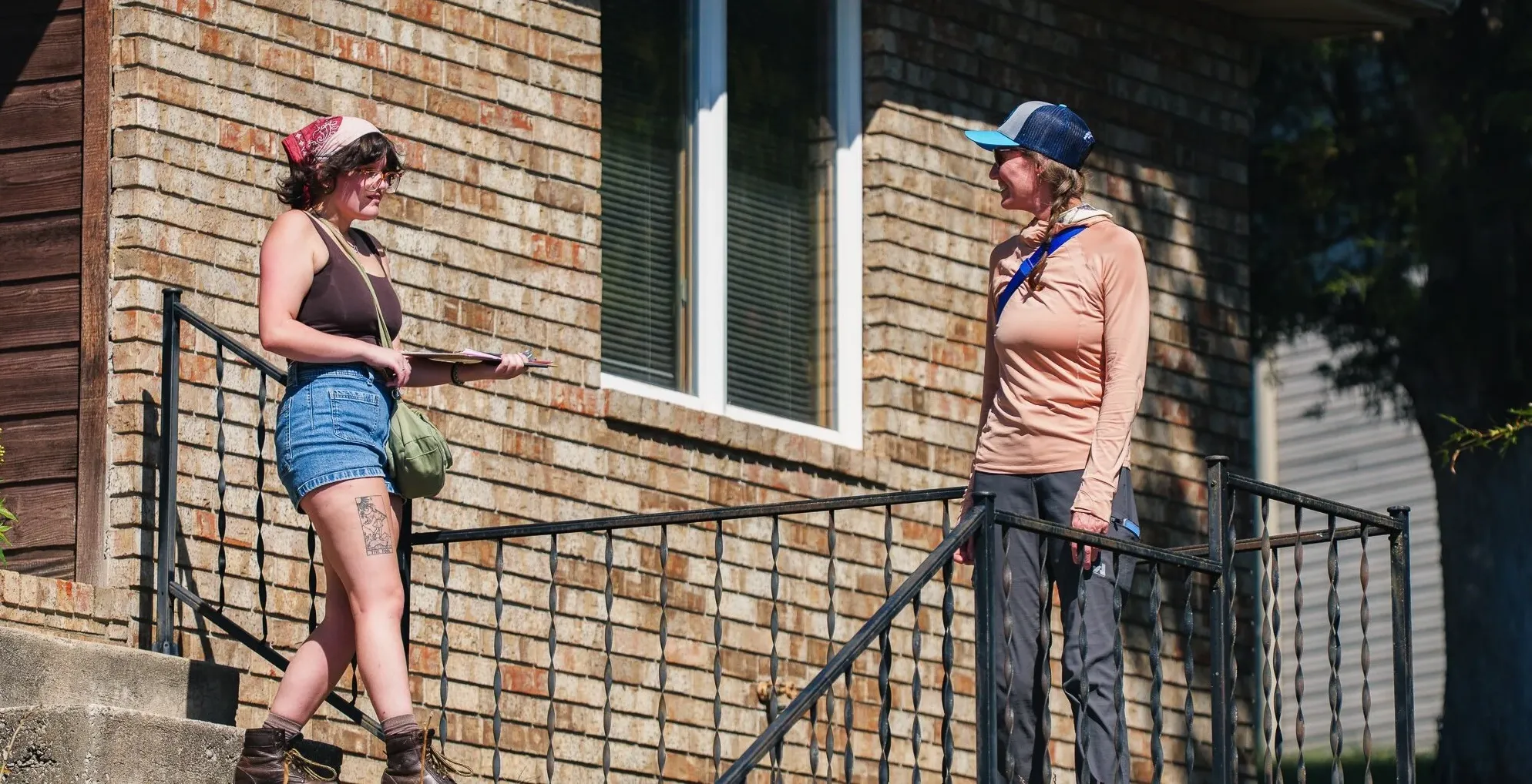
Instead of yielding to frustration, community members mobilized to take positive, practical action. Local residents established monitoring rotations to observe the work, ensuring environmental safeguards were respected while actively intervening to protect local biodiversity. Volunteers dedicated long hours to carefully transplanting and safeguarding vulnerable desert flora before machinery advanced through the terrain.
Among the critical species receiving community care were:
- The Chisos Mountain Hedgehog Cactus: A rare, endemic desert plant that thrives specifically in the fragile limestone soils of this unique region.
- Protective Native Brush: Vital spiny vegetation that shields smaller desert wildlife from extreme heat and predators.
- Riparian Habitats for the Yellow-Billed Cuckoo: Dense thickets along the river corridor that provide vital nesting grounds for this threatened migratory bird.
By stepping forward with shovels, gloves, and deep botanical knowledge, residents channeled their energy into tangible conservation, demonstrating how direct stewardship can protect delicate ecosystems during moments of rapid transition.
Bridging Divides Beneath the Canyon Walls
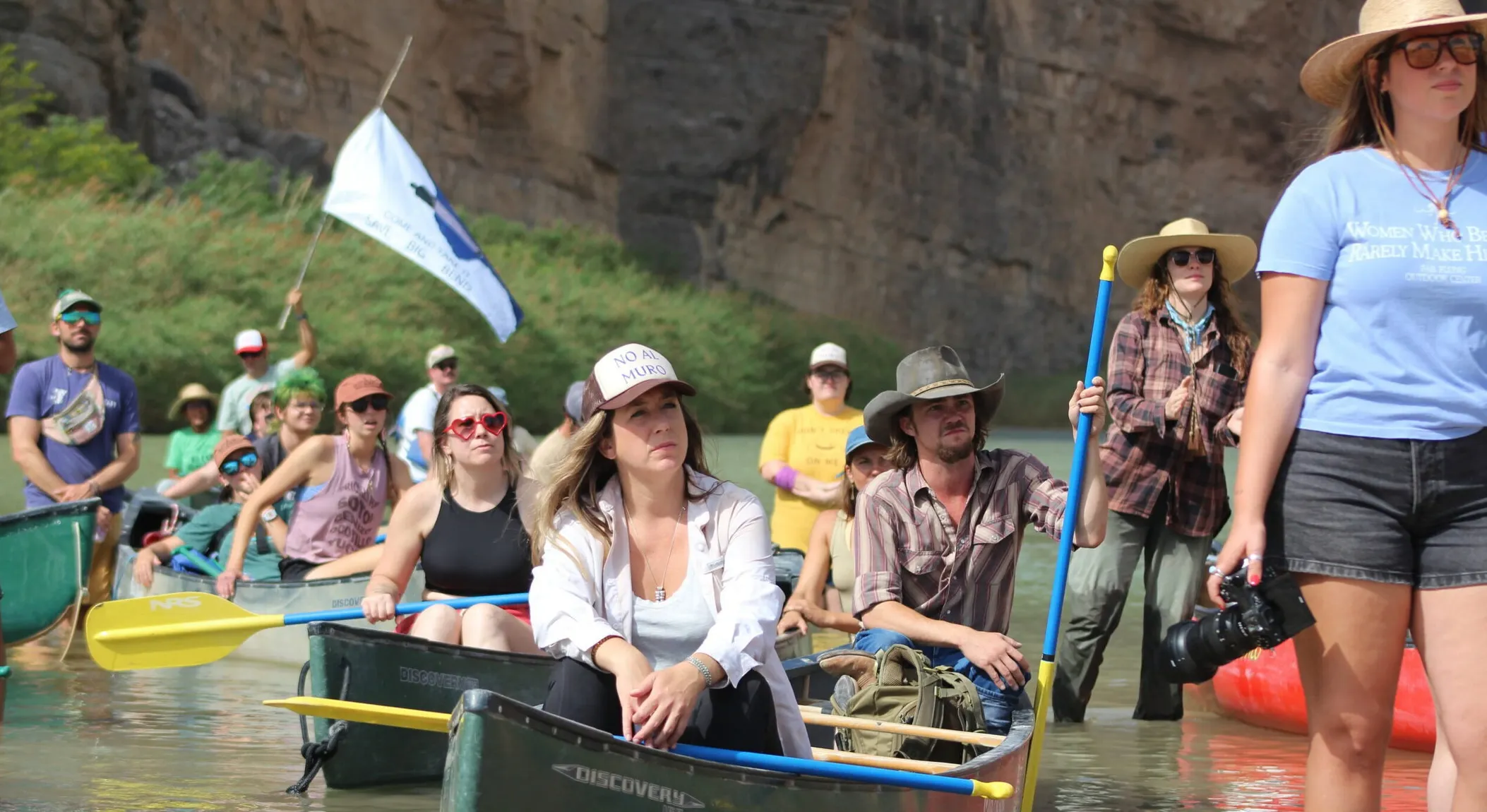
The shared impulse to defend Big Bend culminated in a remarkable gathering held directly beneath the shadow of Santa Elena Canyon’s towering cliffs. Gathering along the muddy riverbanks, ranchers, environmental advocates, local officials, and visitors stood shoulder-to-shoulder to express their mutual reverence for the land. Signs expressing spiritual devotion to the open landscape stood alongside calls for sensible, collaborative land management.
Organizers captured the spirit of the day by noting that while bodies of water are frequently seen as lines that separate, the river running through Santa Elena Canyon has historically served to bring communities together. The gathering reflected a rare and encouraging alignment: individuals who may hold sharply contrasting viewpoints on broader national debates found total agreement in their love for this shared backyard.
Lessons in Collaboration and Conservation
The collective mobilization around Santa Elena Canyon offers valuable insights for community-driven conservation nationwide:
- Shared Pride Transcends Partisanship: Natural heritage often evokes profound shared values that surpass conventional political categories.
- Proactive Stewardship Protects Fragile Life: Community-led rescues of indigenous flora demonstrate that local expertise is indispensable in safeguarding biodiversity.
- Constructive Dialogue Creates Momentum: When neighbors unite around common ground, their voices carry greater weight in shaping respectful, balanced stewardship of public lands.
As discussions regarding land use and conservation continue along the borderlands, the resilient spirit demonstrated at Big Bend reminds us that nature remains a profound unifier. Beneath 1,500 feet of ancient stone, everyday citizens have shown that caring for the earth can heal divisions and inspire a shared vision for generations to come.