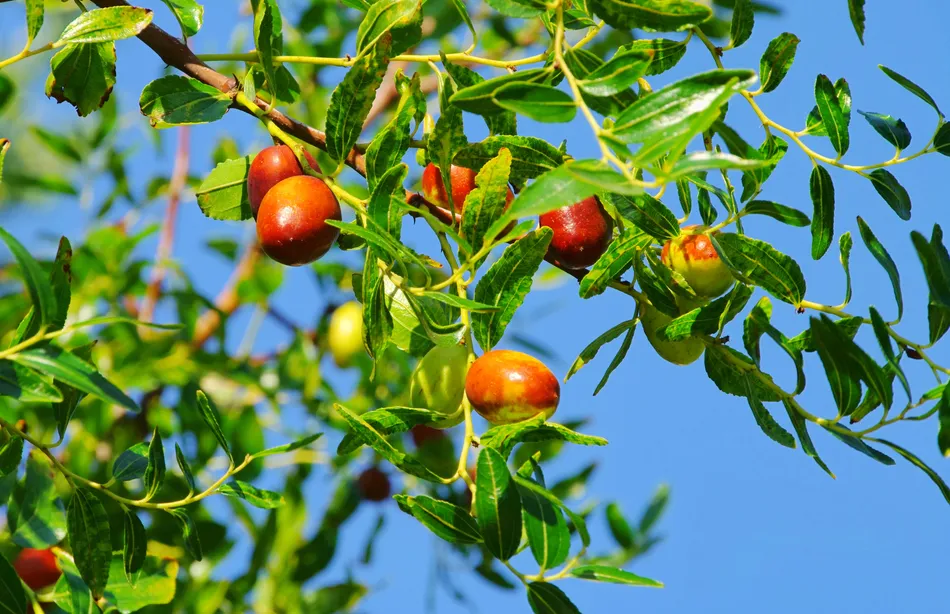
It is harvest time, and at a local academy, students are stepping outside during lunch to pick fresh jujubes straight from the branches. For many, having access to vibrant, living food right outside the classroom door feels nothing short of magical, offering a daily connection to nature and fresh produce.
This abundance is rooted in a simple yet powerful premise: planting fruit orchards on vacant urban land and making the harvest completely free for anyone to take. Over the past 14 years, what started as a localized initiative has blossomed into thousands of trees across numerous cities, bringing fresh food and green spaces within walking distance for over a million people.
The Inspiring Origin Story of Free Community Orchards
The journey began with a small stand of trees planted on the corner of a shuttered public school. From that single corner, the initiative partnered with community gardening networks to spread fruit, nut, and berry trees across unused plots throughout the region. Today, hundreds of free orchards thrive, transforming urban landscapes into productive, beautiful ecosystems.
Key highlights of the growth include:
- Thousands of productive fruit, nut, and berry trees planted nationwide.
- Orchards established across multiple cities with more communities joining every year.
- Millions of residents living within easy walking distance of fresh, accessible food.
Built on Shared Knowledge and Ongoing Support
More than four out of five of these orchards remain in active production—a remarkable success rate largely attributed to a philosophy of continuous support. Instead of simply planting trees and walking away, the organization provides deep expertise, guidance on selection, and hands-on training.
A dedicated network of "orchard stewards" helps maintain these green spaces through:
- Comprehensive training sessions and educational workshops.
- Ongoing mentorship for soil improvement, pruning, and seasonal care.
- Assistance with grants and succession planning to ensure long-term sustainability.
Beyond providing fresh fruit, these thriving micro-ecosystems benefit local wildlife by attracting beneficial insects, songbirds, and other natural predators, creating vibrant pockets of biodiversity right in the middle of the city.
A Growing National Model for Urban Greening
What began as a localized project has now expanded into a national model, with new orchards taking root in diverse climates across the country. Because different regions require tailored approaches—especially when avoiding chemical pesticides and herbicides—the initiative works closely with local partners to ensure each grove thrives in its unique environment.
Ultimately, the universal appeal of planting fruit trees continues to unite neighborhoods, proving that simple, nature-based solutions can foster community resilience, environmental health, and boundless joy.