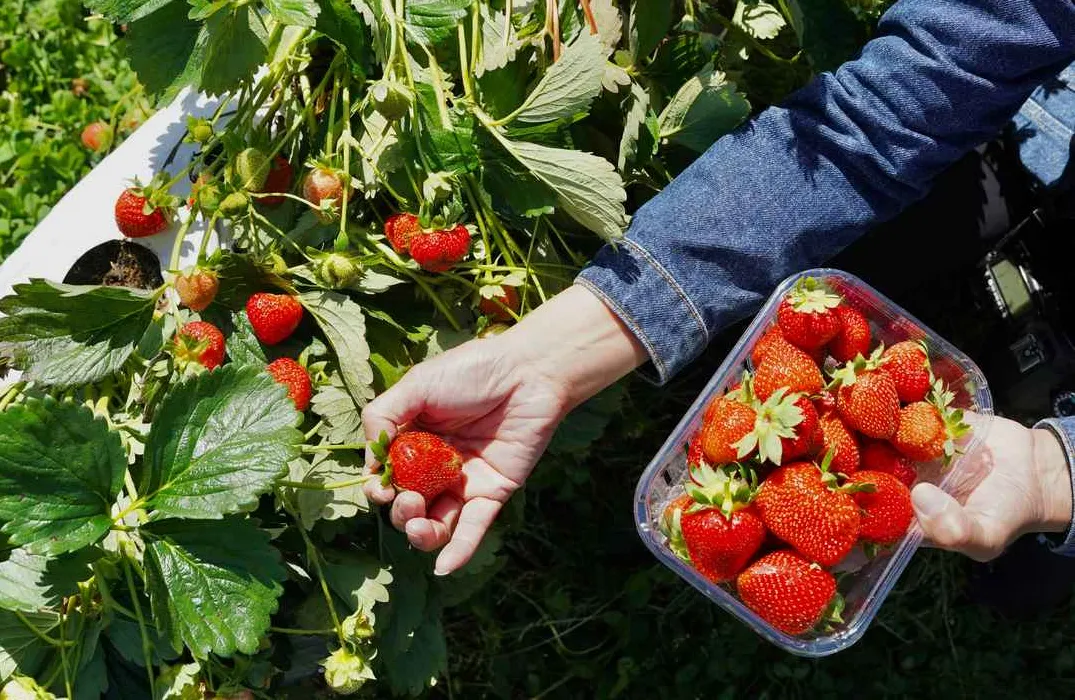
A simple puff of steam is proving to be a game-changer for California strawberry farmers, offering a powerful and chemical-free way to secure larger, more reliable harvests. Researchers have been pioneering the use of boiling water vapor as a safe, eco-friendly alternative to traditional chemical fumigants used for soil sterilization.
Eco-Friendly Soil Sterilization Boosts Crop Health
University researchers recently partnered with local organic strawberry growers for a transformative field trial. Using sophisticated machinery, the teams injected targeted gouts of steam directly into the growing beds before planting the berries. Participants in the pilot program reported remarkable outcomes, noting noticeably larger plants, significantly improved overall plant health, and a much higher yield of delicious strawberries.
Historically, farmers relied heavily on chemical fumigants to protect their crops from soil-borne diseases such as fusarium wilt, bacteria, and invasive weeds. However, these harsh toxins pose risks to the surrounding environment, wildlife, and the farmers themselves. Furthermore, certified organic agriculture strictly prohibits the use of such chemicals, leaving organic growers to face heavy financial risks or resort to complex hydroponic setups. Soil steaming now provides a reliable, natural middle ground.
Reviving Classic Agricultural Techniques with Modern Engineering
While injecting steam directly into open fields is an innovative step forward, the core concept is rooted in decades of greenhouse tradition where steam has long served as a natural pesticide. Experts working on the project emphasize that this approach represents a clever return to time-tested methods, enhanced by modern engineering to maximize efficiency and field coverage.
- Natural Pest Control: Effectively eliminates harmful soil bacteria, fungi, and weeds without synthetic toxins.
- Safer Farming Practices: Protects the health of agricultural workers and preserves local ecosystems.
- Enhanced Yields: Promotes stronger, more resilient plants capable of producing bountiful harvests.
With thousands of acres dedicated to strawberry cultivation across California, finding sustainable and effective solutions is vital. As agricultural researchers continue to innovate—from deploying advanced soil treatments to exploring protective field covers—the future of organic berry farming looks brighter, greener, and more abundant than ever before.