An innovative agricultural technique known as agrivoltaics is proving to be a game-changer for viticulture, showing that solar panels installed above grapevines can substantially increase fruit production and crop development while simultaneously generating clean, renewable energy. While the dual-use approach of farming beneath solar arrays has been studied extensively for various crops, its specific impact on the delicate science of wine grape cultivation remained largely unexplored until recently.
The Agrivoltaics Experiment in Southern Italy
Researchers from the University of Bari set out to test this method by conducting a study on an 8-year-old, 2.2-acre vineyard in southern Italy’s sun-drenched Puglia region. Known for its hot Mediterranean climate and intense summer sunlight, this area creates exceptional growing conditions for regional favorites like tomatoes, olives, and grapes.
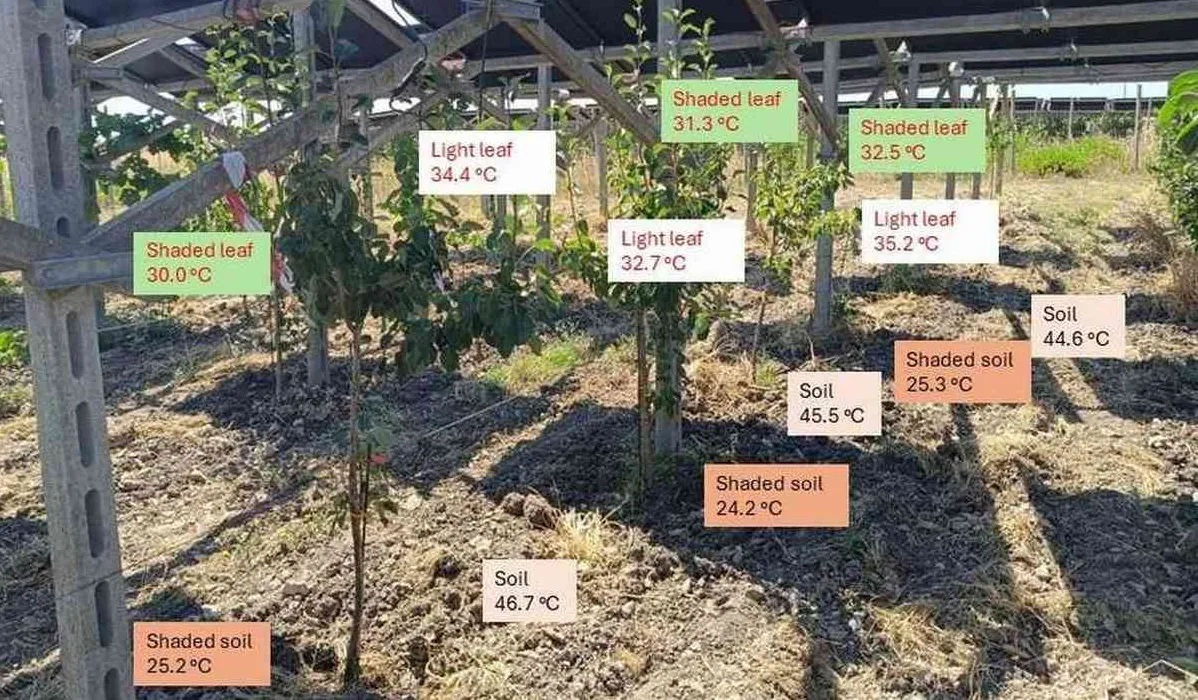
Previous research into agrivoltaics demonstrates a wonderful synergistic effect: the partial shade cast by solar panels allows plants to focus their energy on growth rather than expending resources to protect themselves from harsh sunlight. Furthermore, this localized shade increases ground-level humidity beneath the panels. This moisture radiates upward, helping to moderate the operating temperatures of the solar panels' circuitry and modestly boosting their overall energy output.
Striking Results for Vine Growth and Health
When the researchers applied this method to Primitivo and Zinfandel grapevines, the results were extraordinary. The partially shaded vines yielded remarkable improvements across several key metrics:
- Increased Shoot Growth: Shoots produced during the growing season under the panel-shaded vines were more than twice as long as those grown under full, unshaded sun.
- Heavier Grape Bunches: By harvest time, individual grape bunches from the shaded vines were nearly three times as heavy as their sun-grown counterparts.
- Enhanced Nutritional Profile: The berries developed lower sugar concentrations alongside greater amounts of beneficial organic acids, such as polyphenols, resulting in healthier fruit overall due to reduced heat stress and optimized photosynthesis.
- Water Conservation: With limited rainfall in southern Italy, reduced watering demands help relieve pressure on local aquifers and lower utility expenses for growers.
Lead researchers emphasize that while agrivoltaics works wonders in hot, dry climates like Puglia, it is not a one-size-fits-all solution. Shade tolerance varies significantly between different plant species and grape varietals, meaning cooler or more northerly wine-growing regions might not experience the same profound benefits.
As viticulture continues its millennia-old tradition of adaptation—dating back to the Bronze Age, Etruscans, and Romans—integrating modern solar technology with traditional farming opens up an inspiring pathway toward sustainable agriculture and climate resilience.