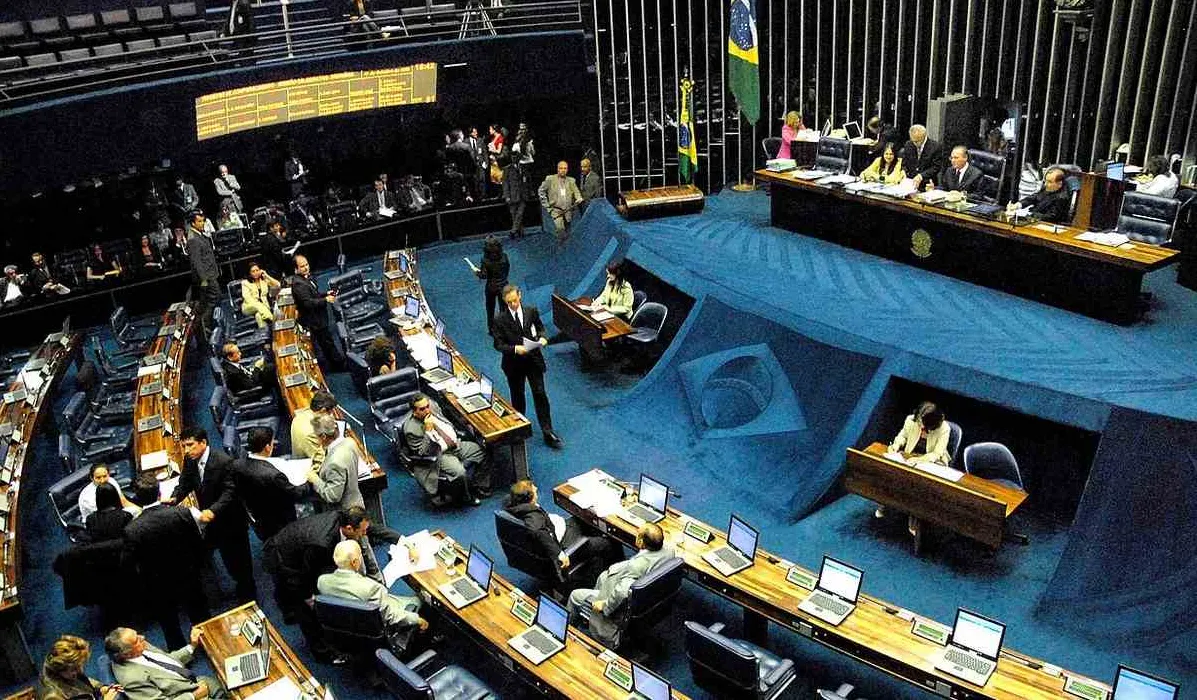
In a historic legislative milestone that promises to transform the daily lives of millions, Brazil’s senate has voted overwhelmingly in favor of ending the nation's traditional six-day workweek. With a decisive 75-to-1 vote, South America’s largest economy has officially aligned its standard full-time employment hours with global benchmarks, shifting the focus toward employee well-being, rest, and quality of life.
A Historic Shift Toward Work-Life Balance
For generations, full-time employment in Brazil meant a customary 44-hour workweek spread across six days. The passage of the Proposed Amendment to the Constitution (PEC 221) changes this long-standing norm, introducing a standard 40-hour workweek accompanied by two days of paid time off.
While the negotiation of rest days remains flexible between unions and employers, the overwhelming expectation is that workers will now secure both Saturday and Sunday off. Senate President Davi Alcolumbre highlighted the profound human impact of this legislation during a statement following the vote.
"At first glance, it may seem like a subtle change. But for those who wake up early, take a crowded bus, work their shift and return home at the end of the day, this change is enormous," Alcolumbre noted. "One more day of rest means more time for family."
Implementation and Smooth Transition
To ensure businesses have adequate time to adapt, the transition to the new schedule has been thoughtfully phased in:
- Initial Phase: Working hours will first drop from 44 to 42 hours per week, accompanied by an additional day of rest, taking effect just 60 days after the passage of the amendment.
- Final Goal: The workweek will further reduce to the standard 40 hours a year later.
- Business Preparation: This gradual timeline gives employers ample opportunity to reorganize operational schedules or hire additional personnel in advance.
Originally introduced in 2019, PEC 221 represents the first major update to Brazilian labor hours since 1988, when full-time work was reduced from 48 hours to 44. The lower house of the legislature previously passed an identical measure, and with widespread bipartisan support from both the incumbent leadership and political opponents, the path forward was met with unprecedented unity.
By prioritizing employee health, family connections, and sustainable productivity, Brazil is setting an inspiring example for modern labor standards across the globe.