Sign language interpreters at live concerts often go viral for good reason. There is something captivating about watching British Sign Language (BSL) in full motion—the expressiveness, the grammar operating across three-dimensional space, and the rich storytelling carried by both hands and facial expressions. Yet, once the video ends, the Deaf community returns to navigating a world that was largely built without them in mind.
Despite historic milestones—such as legal recognition of BSL and increased media representation—the United Kingdom still lacks a single dedicated, permanent cultural center built for and by the Deaf community. Urban planner and activist Amanprit Arnold is working to change that narrative through the groundbreaking DeafCity Hub campaign.
Designing for Accessibility: Why the Built Environment Speaks Hearing by Default
To understand why a dedicated center is so vital, one must understand how sign language interacts with space. BSL is a spatial language with a three-dimensional grammar. Conversations require wide corridors so people can walk and sign simultaneously, soft natural lighting to prevent eye strain, strategic sightlines, and circular seating arrangements that allow everyone to see hands and faces at once.
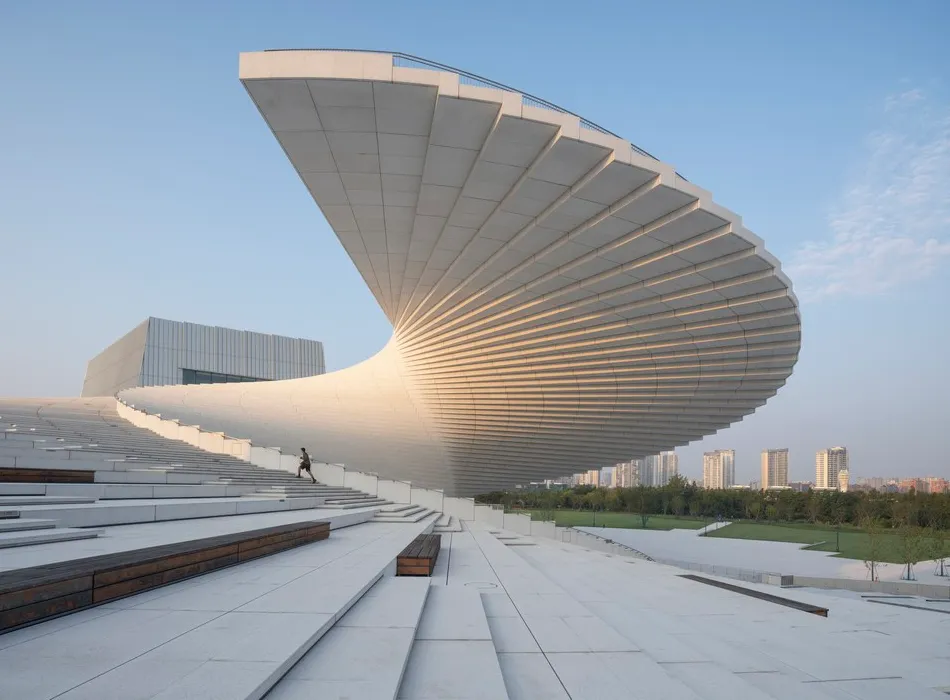
Most conventional buildings offer none of these features, creating invisible barriers for signers. Standard rectangular tables, poor acoustics, and narrow walkways can make everyday interactions exhausting. By championing DeafSpace principles, Arnold aims to create environments that feel naturally welcoming and effortless for Deaf users, much like the pioneering spaces already making waves in modern architecture.
- Spatial Freedom: Wide corridors that allow uninterrupted conversations on the move.
- Optimized Lighting: Soft, natural illumination that enhances facial grammar visibility.
- Circular Seating: Inclusive layouts that keep everyone in clear view.
Reviving a Vision and Creating an Incubator for Change
The dream of a dedicated cultural hub is decades in the making. In 1986, ambitious blueprints were drawn up for an International Deaf Cultural Centre in London, though they never materialized. Today, the movement is taking a major step forward with the securing of a temporary “meanwhile” space in partnership with local authorities.
This temporary location serves as an invaluable incubator, allowing organizers to demonstrate the profound impact of a dedicated Deaf cultural center, build a strong evidence base, and pave the way for a permanent facility. Furthermore, it addresses the common frustration of having to schedule around limited, isolated accessible performances, offering a vibrant alternative where culture is always accessible.
Embracing Deaf Gain and Building a Global Network
Beyond architecture, the DeafCity Hub champions the concept of “Deaf Gain”—the powerful idea that deafness is not a deficit to be corrected, but a unique perspective that enriches human culture. Arnold’s long-term vision extends far beyond a single building, aiming to foster an international network of Deaf-owned and Deaf-led hubs.
By celebrating rich cultural identity and creating spaces designed for connection, the movement redefines what is possible for accessibility and inclusion. The groundwork is laid, the vision is clear, and a future where sign language can truly live and thrive is closer than ever before.