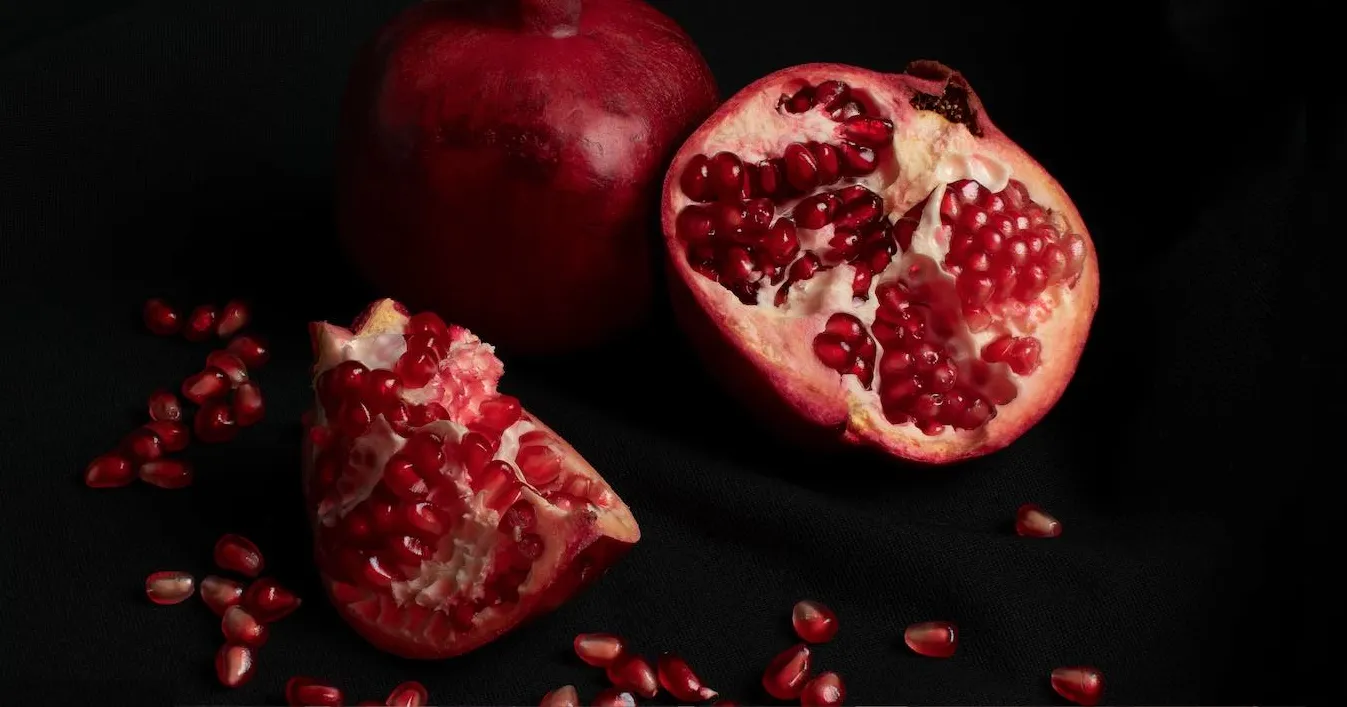
A breakthrough discovery shows that a natural compound produced in the body after eating pomegranates, walnuts, and certain berries can improve heart function by up to 80% in a challenging form of heart failure. This finding offers fresh hope for millions of people who struggle with a condition that limits the heart’s ability to relax and fill with blood.
Heart Failure with Preserved Ejection Fraction: A Silent Struggle
Heart failure with preserved ejection fraction (HFpEF) is a condition where the heart can still pump blood effectively but becomes stiff and less able to relax between beats. It accounts for roughly half of all heart failure cases and often leads to breathlessness, fatigue, and a reduced capacity for everyday activities. Because HFpEF is driven by multiple factors—such as aging, high blood pressure, and diabetes—current treatments are limited, and many patients feel their options are exhausted.
Urolithin A: Nature’s Heart‑Health Ally
Scientists have identified urolithin A, a compound that the body produces from dietary polyphenols found in pomegranates, walnuts, and certain berries. Urolithin A has long been linked to healthy aging and enhanced mitochondrial function, the process by which cells generate energy. In recent research, it was found to activate a protein called PKG1α, which plays a crucial role in both blood vessel function and the relaxation of heart muscle cells.
By targeting a specific amino acid on PKG1α, urolithin A triggers a cascade that improves cardiovascular health. In laboratory experiments, treatment with urolithin A led to a remarkable 80% improvement in heart function metrics in animal models, surpassing the gains seen in untreated controls.
From Lab to Human Heart Tissue: Promising Early Results
The compound’s benefits extended beyond animal studies. In engineered human heart tissue—created from stem cells and designed to mimic the structure and function of real heart muscle—urolithin A significantly enhanced tissue relaxation. The results suggest that the compound’s positive effects could translate to human cardiac function.
Importantly, urolithin A has already been evaluated in human clinical trials, where it demonstrated a favorable safety profile. These early findings position urolithin A as both a promising therapeutic target and a naturally derived supplement that could support heart health.
Key Takeaways
- Heart‑relaxing power: Urolithin A improves the heart’s ability to relax and fill with blood, addressing a core issue in HFpEF.
- Reduces scarring: The compound decreases fibrosis, the harmful scarring that stiffens heart tissue.
- Limits cell enlargement: By preventing excessive growth of heart muscle cells, urolithin A helps preserve normal cell function.
- Evidence across models: Benefits seen in both animal studies and engineered human heart tissue.
- Safe and natural: Already tested in humans with a strong safety record.
While these results are still early, they open the door to new treatments that could improve clinical outcomes and quality of life for people living with HFpEF. Researchers are optimistic that dietary approaches to boost urolithin A production—through regular consumption of pomegranates, walnuts, and berries—may become a valuable part of heart‑failure care in the future.