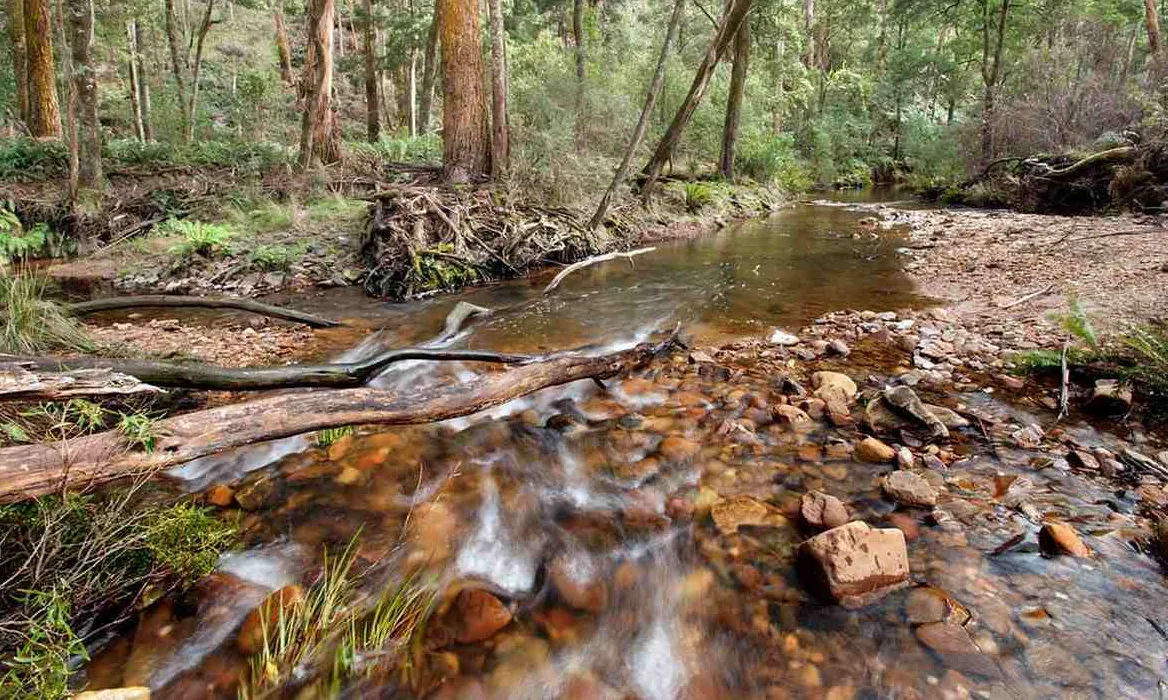
A remarkable milestone for conservation has officially taken effect in Australia, as more than 250 square miles of pristine forests at the center of Victoria state become permanently protected national parks. Following landmark legislation passed by Parliament, this exciting environmental achievement brings three magnificent new sanctuaries to life: Mount Buangor National Park, Pyrenees National Park, and the expansive Wombat-Lerderderg National Park. This historic expansion marks Victoria's first new national parks of substantial size in 15 years, safeguarding vital ecosystems for generations to come.
A Safe Haven for Endangered Australian Wildlife
The newly designated parks serve as a crucial sanctuary for hundreds of rare and threatened plants, animals, and fungi. By placing these vibrant habitats under permanent state protection, conservationists are securing a brighter future for some of Australia's most beloved and vulnerable native species.
- Greater Gliders: These charismatic marsupials will now enjoy protected forest canopies.
- Powerful Owls: Majestic native owls receive expanded nesting and hunting grounds.
- Platypuses and Koalas: Vital waterways and eucalyptus trees are preserved for their continued thriving.
- Rare Flora: Unique plant life, including the Mount Cole grevilleas, will flourish undisturbed.
Local conservation groups and dedicated community campaigners who spent over a decade advocating for these landscapes are celebrating the victory. What began as grassroots community conferences and detailed ecological reports in 2010 has successfully blossomed into a permanent reality. Volunteers spent years surveying rare plants, searching for threatened animals, and rallying public support to ensure these irreplaceable natural treasures would not be lost.
Honoring Indigenous Stewardship and Future Care
These breathtaking landscapes lie on the traditional lands of the Dja Dja Wurrung, Eastern Maar, Wadawurrung, Wurundjeri, Gunaikurnai, and Taungurung peoples, who have lovingly cared for and nurtured these regions for thousands of years. Moving forward, environmental management teams will collaborate closely with traditional custodians and local communities over the next year to craft comprehensive management plans. This partnership ensures that wildlife, visitors, and the land itself will receive the dedicated resources and respect they need to thrive indefinitely.