When investigating why certain endangered ecosystems survive against formidable odds while others falter, researchers often look to financial budgets, legislation, or technological interventions. However, a comprehensive global analysis has revealed a far more profound and inspiring catalyst: the active dedication, wisdom, and leadership of local communities.
Across an extensive survey of environmental triumphs spanning multiple continents, researchers determined that genuine ecological resilience does not stem primarily from top-down spending. Instead, the determining factor between decline and renewal lies in the hands of the people who live alongside these habitats every day. By synthesizing insights from over 70 studies of environmental bright spots, scientists have uncovered an adaptable blueprint for restoring the natural world through grassroots empowerment.
The Three Pillars of Community-Led Conservation
Researchers identified that despite facing distinct environmental pressures across varied geography, thriving conservation initiatives consistently share a foundational philosophy. Rather than imposing rigid external mandates, the most resilient projects align scientific methodology with community values and regional realities.
The study highlights three core determinants that unite these global successes:
- Valuing Traditional and Local Knowledge: Incorporating generations of indigenous insight and local observational wisdom alongside rigorous scientific research.
- Decentralized Decision-Making: Placing resident communities at the heart of governance, ensuring those most affected have true ownership of conservation policies.
- Adaptive Local Management: Tailoring stewardship programs to fit specific cultural traditions, social dynamics, and shifting ecological conditions rather than applying one-size-fits-all rules.
By shifting focus away from narratives of inevitable environmental crisis, this research highlights how ecosystems and human communities can actively flourish together when grounded in mutual respect and shared responsibility.
Global Bright Spots: Inspiring Proof Across Land and Sea
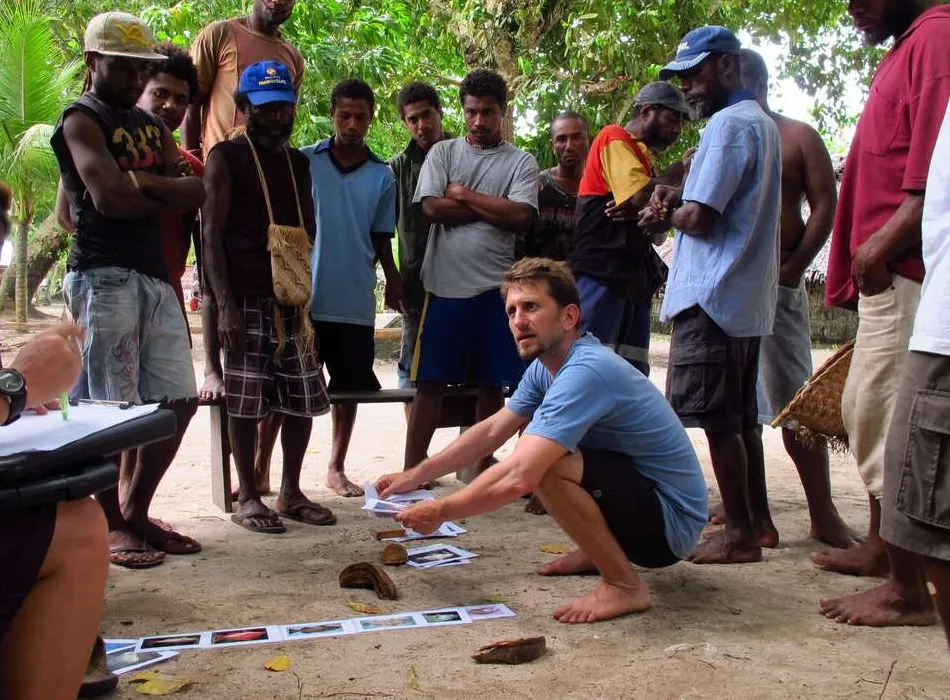
This dynamic interplay of people, place, and process is vividly demonstrated across some of the planet's most remarkable ecosystems. In Papua New Guinea, coastal villages safeguard one of the world's most resilient coral reef networks. Out of an evaluation encompassing nearly 1,700 reefs worldwide, these community-managed waters stood out as exceptional refuges of biodiversity.
The secret to their endurance is a time-honored custom akin to rotational fallow farming. Villages periodically close designated sections of reef to fishing, granting marine species uninterrupted time to reproduce and rebuild biomass before harvesting resumes. Because stewardship responsibilities are shared across generations and woven into cultural life, enforcement is self-sustaining and natural, driven by pride rather than external policing.
Similar patterns of coexistence are flourishing across terrestrial landscapes:
- West African Chimpanzees: In regions facing broad habitat pressures, populations of critically endangered Western chimpanzees remain robust wherever local communities uphold cultural norms and traditional taboos that discourage hunting and celebrate coexistence with wildlife.
- Tasmanian Albatross Colonies: Off the coast of Tasmania, close-knit partnerships between field researchers, local wildlife managers, and policymakers have established targeted protections for vulnerable shy albatross chicks, successfully shielding them from parasites and ensuring stable breeding grounds.
- Canada’s Great Bear Rainforest: In British Columbia, First Nations communities lead grizzly bear protection initiatives by anchoring regional environmental governance directly within indigenous stewardship values.
Reframing the Future: Learning from What Works
For decades, environmental reporting has predominantly centered on loss, risk, and degradation. While awareness of challenges remains essential, this worldwide study demonstrates that conservation bright spots are not isolated flukes or lucky accidents. They represent measurable, repeatable patterns of resilience that provide practical lessons for habitats everywhere.
By establishing a shared framework to evaluate and replicate these bright spots, scientists and conservationists hope to empower communities worldwide to reclaim their roles as primary stewards of their environments. When local voices guide the path forward, humanity moves beyond crisis response, creating lasting harmony where both nature and local communities thrive in tandem.