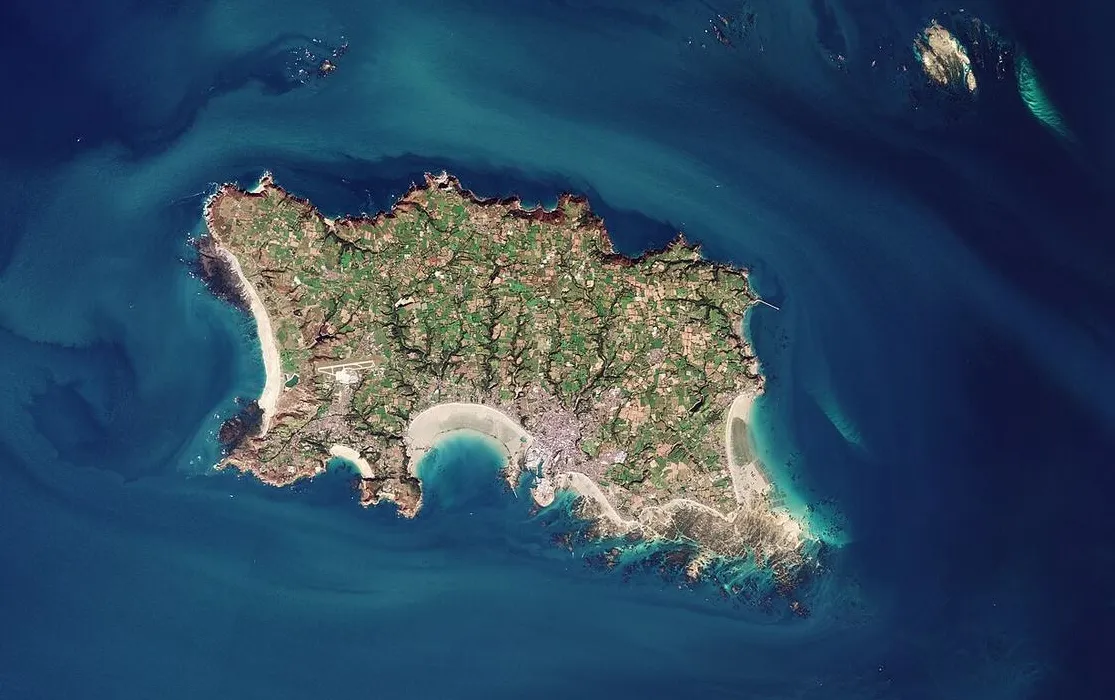
In a monumental step forward for ocean conservation, the self-governing British Isle of Jersey announced a significant expansion of its protected waters. By increasing its marine protection by 15%, the island has ensured that an impressive 21.7% of its surrounding seas are now shielded from bottom trawling and other damaging fishing practices.
Coming into force on September 1st, these robust new regulations specifically target some of the most ecologically valuable and vulnerable habitats in the English Channel. As a semi-autonomous Crown Protectorate of Norman-British heritage, the Bailiwick of Jersey administers its own environmental policies, often collaborating closely with both French and British officials to safeguard shared marine ecosystems.
Safeguarding Biodiversity and Marine Habitats
Jersey’s Minister for the Environment emphasized that the island's seas represent one of its greatest natural assets. The newly protected zones encompass structurally complex underwater areas that serve as vital feeding grounds and nurseries for diverse fish stocks and rich marine life.
- Enhanced Protection: Over 21% of territorial waters are now safeguarded from destructive commercial practices.
- Critical Nurseries: The designated zones protect complex marine habitats essential for biodiversity.
- Collaborative Approach: Policies are developed in consultation with regional authorities to balance ecology and commerce.
Francis Binney, the head of marine resources for Jersey, highlighted the long-term vision behind the initiative. Protecting these delicate ecosystems today ensures that the island's waters remain biologically rich, productive, and resilient for generations to come.
Balancing Conservation and Sustainable Fishing
Far from pitting environmental preservation against economic growth, the government is actively partnering with the local fishing industry. Authorities are opening up alternative fishing grounds in less sensitive areas while managing the entire protected network through a comprehensive Marine Spatial Plan.
Scientific observations of marine protected areas worldwide consistently demonstrate a remarkable win-win outcome: safeguarding the richest marine environments naturally replenishes surrounding exploitable waters. This spillover effect ultimately boosts fish stocks, proving to be even more valuable to the commercial fishing sector than unrestricted access.
Through thoughtful collaboration and dedicated stewardship, this small island is setting a powerful example of how communities can achieve both thriving marine biodiversity and a sustainable, prosperous fishing industry.