When researchers set out into the picturesque paddy fields bordering Sri Lanka’s lush Knuckles Mountain Range—locally known as the Dumbara mountains—they hoped to learn more about the region's small terrestrial mammals. Little did they know that a simple adjustment to their bait would lead to an extraordinary scientific breakthrough: the formal discovery and description of a brand new species, now named the Dumbara spiny mouse (Mus dumbara).
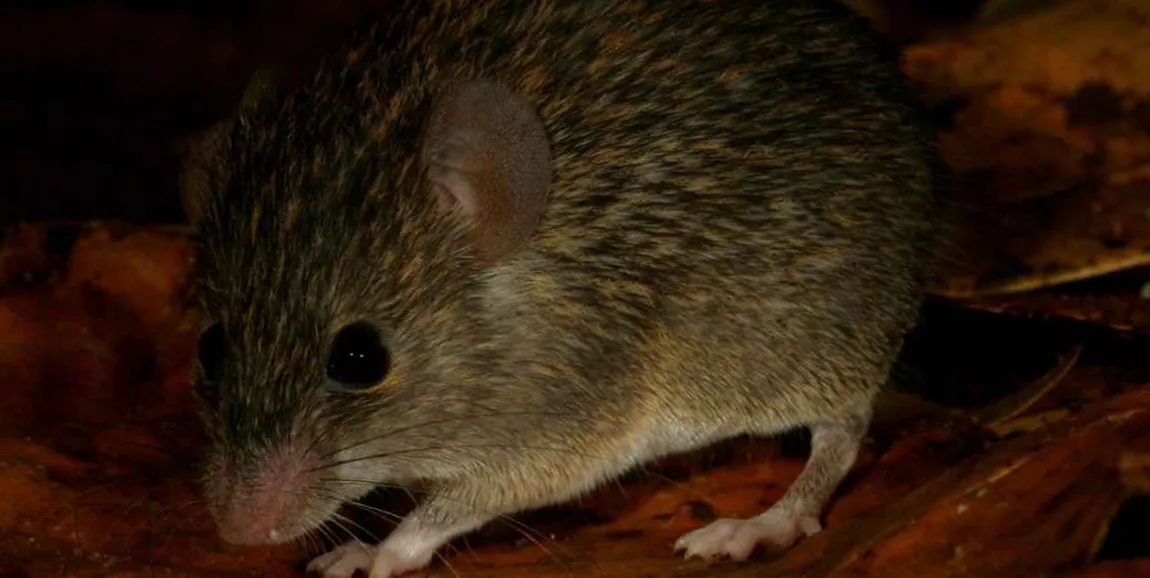
Traditional rodent bait like peanut butter failed to attract the elusive creatures. Thinking creatively, the research team turned to a local favorite: pieces of fragrant, burnt coconut. This clever pivot worked wonders. In March 2004, the traps successfully welcomed the first two female specimens. Measuring no larger than a child’s palm, the adorable mice featured fulvous-gray pelage, spiny guard hairs, and slender, naked tails longer than their entire bodies.
Unlocking Secrets Through Decades of Dedication
Confirming the mice as an entirely new species required immense patience and meticulous scientific inquiry. While initial external observations hinted at differences in tail length and head shape compared to known regional rodents, definitive proof took more than twenty years of advanced genetic and morphological analysis.
Led by dedicated zoologists and evolutionary biologists, subsequent studies examined everything from skull structures to DNA divergence. The genetic results were striking, revealing an 11.7% genetic divergence between the new find and its closest relatives. This incredible discovery highlights the remarkable, often overlooked biodiversity thriving within the island's isolated wet-zone and montane forests.
- A Unique Identity: Distinguished by pinkish-white toes, a distinct supraorbital ridge on the skull, and a tail longer than its head-and-body length.
- Rising Endemism: Adds another precious endemic mammal to Sri Lanka’s already impressive list of unique wildlife.
- Knuckles Range Protection: Emphasizes the ecological importance of preserving UNESCO World Heritage habitats.
Inspiring Future Conservation and Discovery
While the discovery of Mus dumbara is a joyous celebration for science, it also shines a bright, necessary light on the importance of studying smaller, less charismatic wildlife. Small mammals play vital roles in forest food webs, yet they frequently miss out on the conservation spotlight given to larger animals.
Conservationists hope this inspiring finding will spark renewed interest, funding, and support for comprehensive island-wide surveys. By understanding the habitats and distribution of these hidden treasures, researchers can better protect delicate ecosystems and ensure that wonderful creatures like the Dumbara spiny mouse continue to thrive for generations to come.