In one of the most biologically diverse regions on the planet, dedicated scientists have uncovered five brand-new frog species, adding a remarkable chapter to our understanding of the natural world. Spanning remote forests, isolated mountain ranges, and high-altitude grasslands of the Peruvian Tropical Andes, recent scientific expeditions have successfully highlighted the incredible richness of native amphibians and reptiles thriving in these vibrant ecosystems.
Exploring the Biodiversity of the Peruvian Amazon
Led by prominent herpetologists including Pablo J. Venegas, Luis A. García-Ayachi, Allesandro Catenazzi, and Santiago Ron, researchers embarked on intensive expeditions through the Peruvian Amazon and surrounding highlands. Their meticulous fieldwork involved documenting the ecology, health, and conservation status of more than 80 amphibian and 30 reptile species.
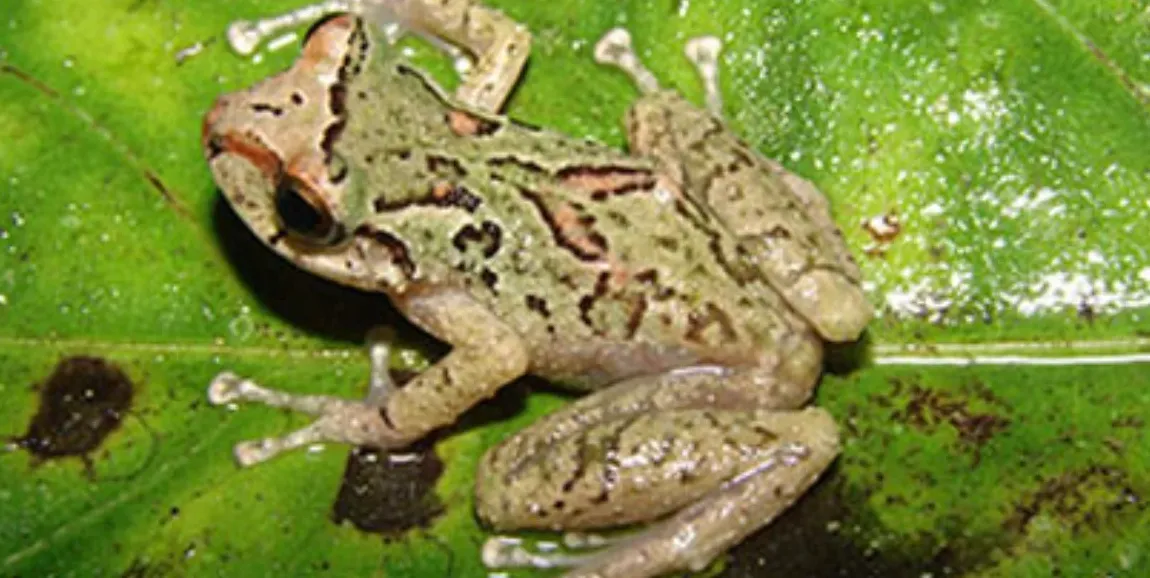
The culmination of this rigorous research was published in the scientific journal Zootaxa, formally introducing five new members of the Pristimantis lacrimosus group. Identified through a combination of morphological traits, molecular data, and bioacoustic characteristics, these newly described creatures showcase the astonishing evolutionary variety hidden within South America's tropical habitats.
Meet the Newly Discovered Frog Species
Found at elevations ranging from 183 to 1,778 meters across the Amazon lowlands of Huánuco and the slopes of Junín, the newly cataloged frogs have been named:
- Pristimantis basicordellum
- Pristimantis culmecordellum
- Pristimantis rhodocanthus
- Pristimantis solitarius
- Pristimantis aisatipoki
Among these, Pristimantis aisatipoki holds a particularly poignant story. Discovered in a cloud forest along the Pampa Hermosa River, its name derives from the indigenous Asháninka language, translating to "those who arrive" or "those who settle." This thoughtful naming honors both the deep history of the region and the collaborative conservation efforts that helped protect its fragile habitats.
The Importance of Conservation and Discovery
These exciting discoveries reinforce a fundamental truth of environmental science: we can only protect what we know exists. By combining on-the-ground rainforest protection with peer-reviewed scientific exploration, researchers continue to illuminate the wonders of our planet and inspire global appreciation for biodiversity.