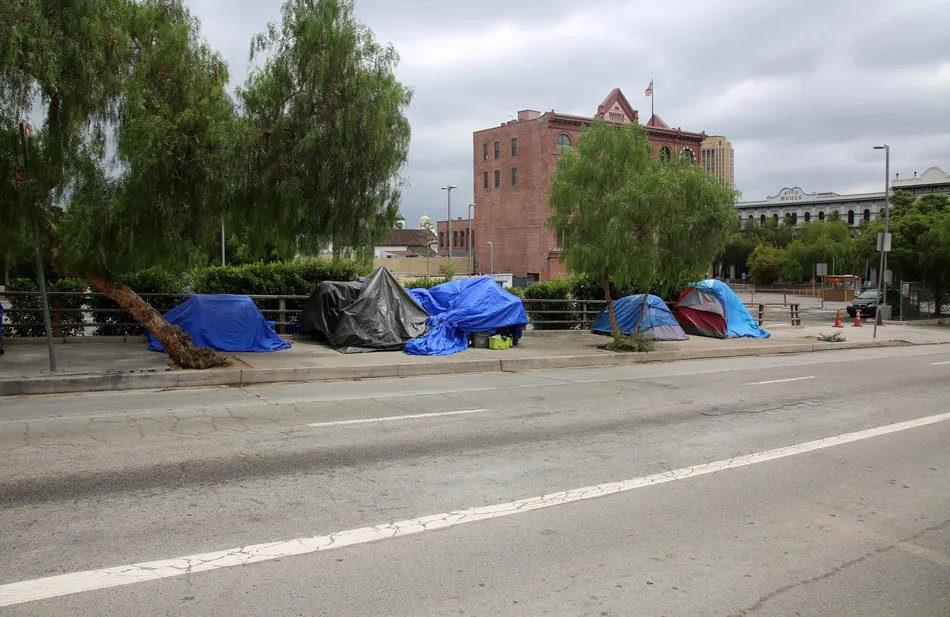
In an encouraging shift for communities nationwide, homelessness in the United States fell by more than six percent, marking the steepest one-year decline in over a decade. This positive development translates to roughly 49,000 fewer individuals without housing, representing the second consecutive annual decrease and successfully breaking a multi-year trend that had pushed numbers to record highs. As local governments, advocacy groups, and federal agencies analyze the data, communities are finding new momentum in solving one of the nation's most persistent social challenges.
Key Drivers of the National Decline in Homelessness
The recent nationwide count revealed that progress is taking root across several different demographics and regions. Experts point to a combination of targeted interventions, easing rental markets, and dedicated community outreach as catalysts for this uplifting change.
- Historic Gains for Veterans: Veteran homelessness dropped by more than seven percent last year, continuing a remarkable trajectory that has seen a nearly 60 percent reduction since 2010.
- Urban and Regional Progress: Major metropolitan areas—including New York, Chicago, Boston, and Denver—saw significant shifts as communities worked diligently to provide shelter and stability.
- Disaster Recovery Support: Regions recovering from major weather events in Hawaii and western North Carolina experienced drops as emergency federal and local outreach successfully connected long-term unhoused residents with vital resources.
- Cooling Rental Markets: While housing affordability remains a challenge, slight moderations in rent from pandemic-era peaks have helped prevent vulnerable families from losing their homes in the first place.
Collaborative Solutions and Ongoing Strategies
Different stakeholders attribute the success to varied approaches, highlighting the multifaceted nature of community support. While federal officials emphasize enhanced recovery-focused frameworks and stricter regulations on public encampments, housing advocates point to the undeniable effectiveness of housing-first initiatives.
Despite these victories, nearly 700,000 individuals remain without permanent housing, and rates of chronic homelessness require continued focus. Leaders across the spectrum agree that expanding access to mental health services, addiction recovery resources, and affordable permanent housing will be essential to maintaining this positive momentum and ensuring long-term stability for every American.
Source: The Optimist Daily