In a quiet neighborhood of Foster City, California, a sudden emergency turned a routine afternoon into a story of courage, quick thinking, and lifesaving skill. A maritime cadet, who was nearby when a father and his 25‑year‑old son struggled in a residential swimming pool, sprang into action and prevented a tragedy that could have claimed two lives.
Rapid Response Saves Two Lives
While walking home, the cadet heard frantic screams echoing from an apartment complex. He followed the sound to a fenced‑in pool area where he saw a man floating face‑down, his body limp and motionless. Acting on instinct, the cadet leapt over the fence, dove into the water, and pulled the father to safety.
Just as he surfaced, another set of desperate cries reached his ears. He turned his attention to the deep end, where the son lay unconscious beneath the water’s surface. With steady hands, the cadet lifted the young man out of the pool, performed immediate CPR, and cleared water from his lungs. Within moments, the son began breathing on his own.
Local authorities and firefighters arrived shortly after the rescue was complete. Both men were assessed by paramedics and transported to a nearby hospital for further observation. Thanks to the cadet’s decisive actions, they left the emergency room alive and in stable condition.
Training, Calm Under Pressure, and Community Impact
The cadet’s ability to stay composed under intense pressure reflects the rigorous training he receives as part of his maritime education. Cadets are taught not only navigation and engineering but also emergency response, first aid, and water rescue techniques. This comprehensive preparation equips them to assess rapidly evolving situations, make sound judgments, and act without hesitation.
Community members praised the cadet’s bravery, noting how his selfless act reinforced the importance of vigilance and preparedness. Neighbors expressed gratitude for his willingness to intervene, and local officials highlighted the rescue as a powerful example of civic responsibility.
Key Takeaways
- Immediate action saves lives: Responding within seconds can prevent drowning and reduce the severity of injuries.
- Training matters: Structured emergency‑response education equips individuals with the confidence and skills needed in crisis moments.
- Stay aware: Listening for distress signals and trusting your instincts can make the difference between tragedy and rescue.
- Community support: Recognizing and celebrating everyday heroes encourages a culture of mutual aid and preparedness.
The incident also sparked a renewed conversation about pool safety. Experts recommend keeping a close eye on swimmers, ensuring proper fencing, and having life‑saving equipment such as flotation devices and CPR knowledge readily available.
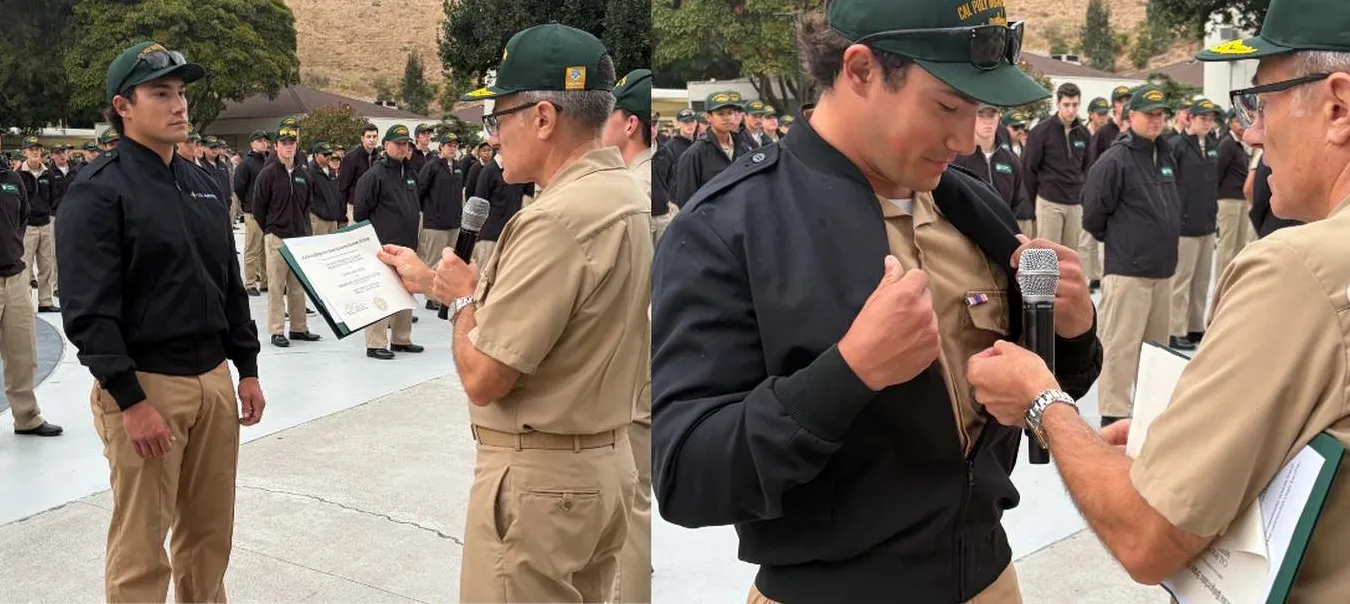
In the weeks following the rescue, the cadet received a commendation from local authorities for his courage, composure, and decisive action. His story serves as a reminder that ordinary individuals, when equipped with the right training and mindset, can become extraordinary protectors of their communities.

Source: Good News Network