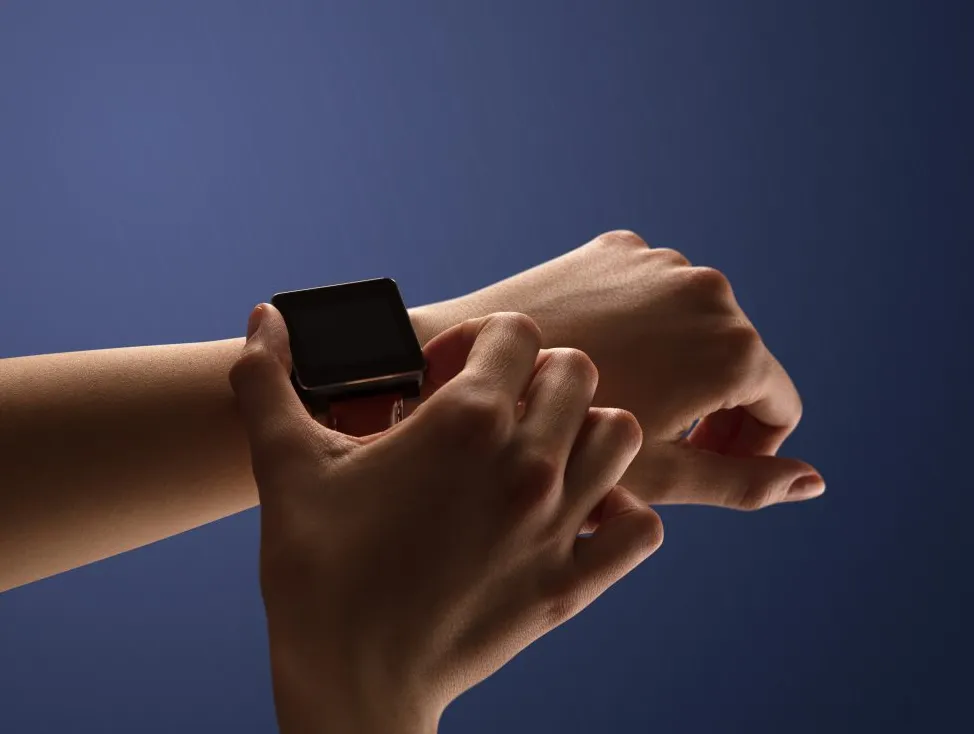
A novel wearable device is offering transformative hope to thousands of individuals living with Tourette’s syndrome and severe involuntary tic disorders. Developed through pioneering research at the University of Nottingham, the prototype wristband—known as Neupulse—delivers mild electrical pulses to quiet the brain activity responsible for uncontrollable movements and vocalizations. In clinical trials, the technology successfully reduced tic frequency by an average of 25 percent, though for many participants, its real-world impact feels far more profound.
For individuals who have spent years navigating severe, disruptive symptoms, the device has provided a renewed sense of freedom and calm. From enabling individuals to say their wedding vows uninterrupted to helping students return to the classroom, this breakthrough non-invasive therapy represents a major leap forward in neurodevelopmental health.
- Targeted Neural Stimulation: Delivers rhythmic electrical pulses to the median nerve to help recalibrate brain networks controlling motor actions.
- Immediate Life-Changing Results: Trial participants report rapid reductions in tic frequency, intensity, and the distressing urge to tic.
- Expanding Medical Potential: Beyond Tourette’s syndrome, researchers are exploring its application for Functional Neurological Disorder (FND), Parkinson’s tremors, anxiety, and obsessive-compulsive disorder (OCD).
How Median Nerve Stimulation Quiets Involuntary Tics
The Neupulse device functions by sending gentle, rhythmic electrical pulses directly into the median nerve, located just beneath the surface of the wrist. This targeted nerve pathway leads straight to brain regions involved in motor control. By altering brain wave rhythms, the stimulation calms the neural spikes that trigger involuntary sounds and movements, reducing both how often tics occur and how intense they are.
Developed in tandem with spin-out company Neurotherapeutics Ltd, which secured £1 million in funding to advance the device toward commercial availability, the technology has sparked tremendous excitement among neuroscientists and clinicians. Lead researcher Professor Stephen Jackson described participant responses as "a dream come true," highlighting stories of users navigating busy airports, taking exams, and participating in major life events without the constant disruption of tics.
Tourette’s syndrome affects over 300,000 individuals in the UK alone. As a neurodevelopmental condition typically beginning in childhood, it has historically lacked simple, non-pharmaceutical treatments. Devices like Neupulse offer a non-invasive, drug-free alternative that empowers users to regulate their symptoms in real time.
Transformative Personal Stories: Restoring Calm and Independence
While statistical trials record a quarter-percentage reduction in tics, the emotional and practical impact for users is often described as night and day:
- Katie (15 years old): Diagnosed at age seven, Katie suffered from near-constant vocal tics that severely disrupted her sleep, schoolwork, and daily wellbeing. Upon testing the wrist device, the change was immediate. Describing the moment as "life-changing," Katie experienced a deep sense of physical calm, allowing her to rejoin social and academic life comfortably.
- Ollie (15 years old): Diagnosed with Functional Neurological Disorder (FND)—a condition affecting brain signal transmission—Ollie experienced sudden, involuntary neck movements that kept him out of school for months. Switching on the device delivered an immediate halt to his symptoms, which he described as feeling "like a light switch" turning his life back on.
- Mylo (17 years old): A participant in early clinical trials who recently received his own device, Mylo reported that the internal urge to suppress facial tics vanished instantaneously upon activation, providing instant physical relief and restored confidence.
The Road to Global Medical Availability and Broader Horizons
To reach every patient who could benefit, the technology is undergoing two distinct release pathways. Neupulse-C is currently available as a consumer wellness device, serving thousands of early adopters. Meanwhile, Neupulse-M is undergoing rigorous formal clinical trials to gain official regulatory approval as a recognized medical device, paving the way for public healthcare prescription and coverage through organizations like the UK’s National Health Service (NHS).
Advocacy groups such as Tourettes Action report glowing feedback from early users, noting that the device allows people to confidently visit public spaces—such as libraries and movie theaters—that previously felt inaccessible. Beyond tic disorders, ongoing research is examining how median nerve stimulation might alleviate tremors associated with Parkinson’s disease, as well as symptoms of anxiety and obsessive-compulsive disorder (OCD). With clinical evaluations continuing, this wearable technology stands on the brink of revolutionizing how neurodevelopmental and movement conditions are managed worldwide.
Source: The Optimist Daily