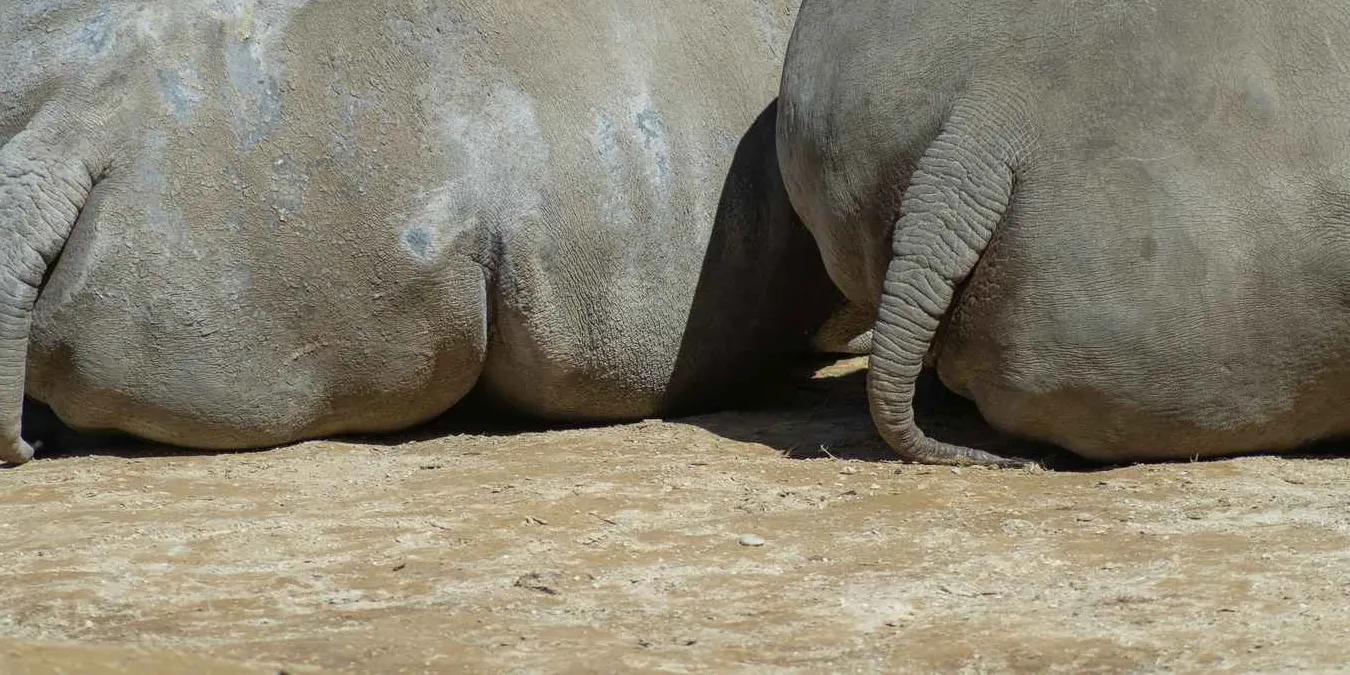
In the lush, biodiverse state of Assam, India, an innovative father-daughter team has created a unique solution to human-wildlife conflict. By harvesting rhino and elephant dung and turning it into high-quality handcrafted paper, they have created a sustainable business model that empowers local communities while protecting endangered species.
From Kitchen Experiments to Sustainable Innovation
The idea began when retired mining engineer Mahesh Chandra Bora discovered paper-making techniques using animal waste in western India. Realizing that Assam is home to approximately 2,900 greater one-horned rhinos, he recognized an untapped opportunity. Because rhinos consume massive amounts of vegetation, their dung is packed with rich, undigested plant fibers ideal for pulp production.
Initial experiments took place right at home using a household kitchen blender. Seeing the immense promise of the project, his daughter Nisha stepped away from a 17-year corporate career to help scale the initiative into a thriving eco-friendly enterprise.
Turning Ecological Conflict into Economic Opportunity
Communities living near Kaziranga and Pobitora national parks often face difficult challenges. High animal density means rhinos and elephants frequently wander onto farmland, consuming crops and damaging property. This proximity historically created friction between agricultural livelihoods and wildlife conservation.
By paying local villagers to gather and supply dung, the venture gives neighboring communities a direct financial stake in the well-being of the local wildlife. What was once seen as a source of crop loss has become a steady stream of supplemental income, encouraging farmers to protect the majestic animals sharing their land.
The Craftsmanship Behind the Paper
The eco-friendly manufacturing process ensures high hygienic standards while producing beautiful, durable stationery items:
- Sustainable Sourcing: Villagers collect raw dung from areas surrounding national wildlife reserves.
- Deep Cleaning & Processing: The dung is washed thoroughly and boiled to extract pure, natural plant fibers.
- Pulping & Binding: The extracted fibers are pulped and blended with recycled paper or cotton waste to enhance strength.
- Handcrafted Products: The resulting pulp is pressed and dried into sheets, forming notebooks, journals, lampshades, playing cards, and gift bags.
This creative upcycling initiative highlights how community-driven business models can effectively harmonize economic development with environmental stewardship, creating a brighter future for both people and wildlife.

Source: Good News Network