A remarkable milestone in renewable energy has been achieved in the west of China, where the world’s largest demonstration plant for a groundbreaking type of energy storage is officially up and running. Known as liquid-air energy storage (LAES), this innovative facility harnesses surplus renewable electricity to compress ordinary air to extreme densities until it liquefies, creating a powerful and sustainable way to store green energy for when it is needed most.
Unlocking Grid-Scale Reliability in Qinghai Province
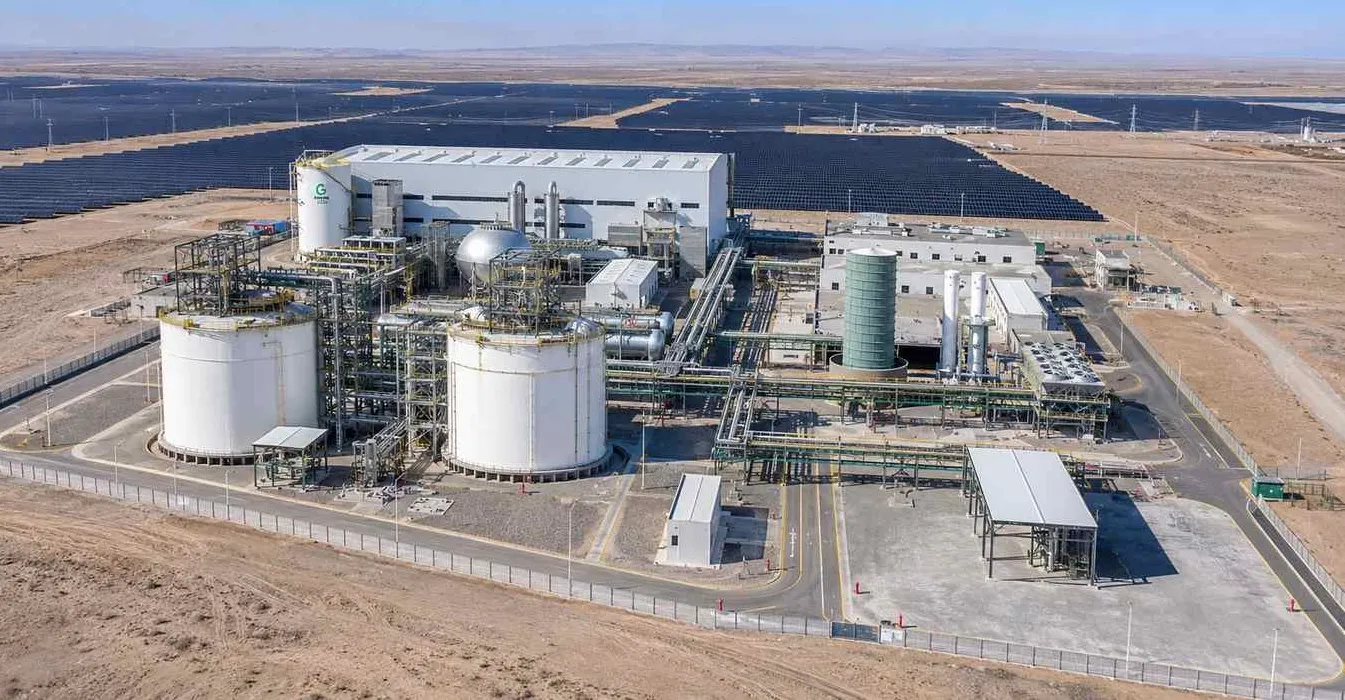
Located in Qinghai Province—a region encompassing parts of the Tibetan Plateau and expansive grasslands renowned for relentless sun and wind—the new facility brings a crucial missing element to large-scale renewable build-outs: reliable, grid-scale storage for times when the sun isn't shining and the wind isn't blowing. Described as the world's largest grid-connected liquid-air energy storage facility by both rated power and energy capacity, the installation is rated at a remarkable 600 megawatt-hours.
Built alongside its own dedicated 250MW solar farm, the facility is designed to provide 10 hours of continual power supply to substantially back up the regional power grid. Financial analysts and asset management firms have noted that LAES systems offer highly appealing cost advantages compared to standard lithium-ion battery storage, coming in at a fraction of the cost per capacity when compared side-by-side.
How Liquid-Air Energy Storage Works
The mechanics behind LAES transform everyday air into a highly efficient energy carrier through a fascinating thermodynamic process:
- Compression and Cooling: When renewable electricity is plentiful, machinery draws in ambient air, compressing it and cooling it to extreme temperatures of around -190°C until it turns into liquid, taking up a fraction of its original volume.
- Efficient Storage: The liquefied air is safely stored in heavily insulated tanks until electricity demand peaks.
- Power Generation: When power is required, the liquid air is pumped to high pressure and warmed. As it warms, it rapidly expands back into a gas, spinning a turbine connected to an electricity generator to send clean power back to the grid.
- Energy Recovery: The system cleverly captures and stores both excess heat and cold generated during the cycle, reusing them to treat the air as needed and keeping overall energy consumption exceptionally low.
A Global Step Forward for Clean Energy
Developed through close cooperation between leading scientific institutions and energy developers, this achievement highlights the rapid global momentum toward solving the intermittency challenge of renewable energy. By pairing abundant natural resources with ingenious engineering, innovations like liquid-air energy storage are paving the way for a resilient, highly efficient, and fossil-fuel-free future.

Source: Good News Network