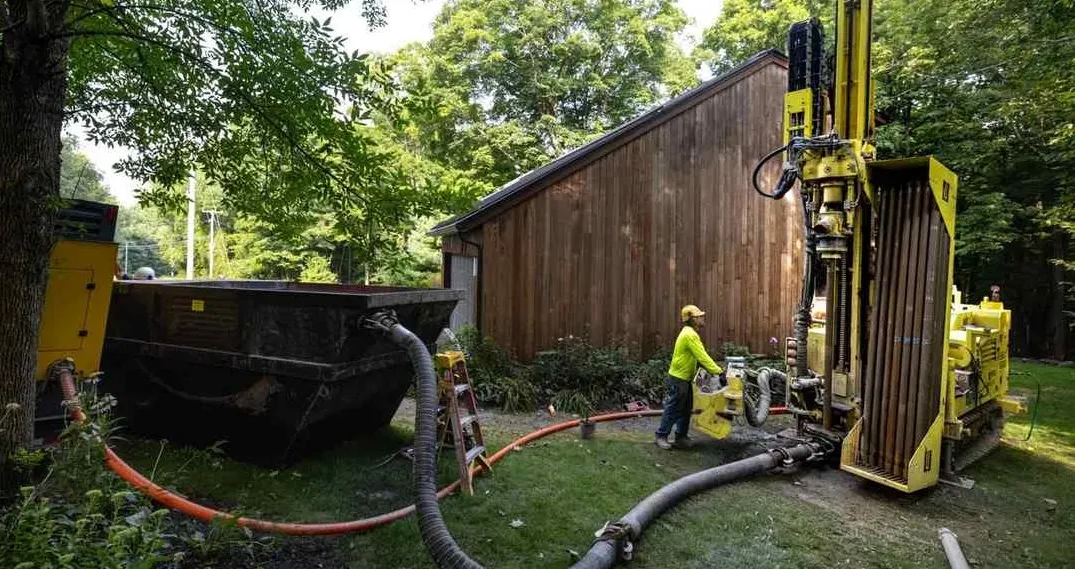
A abode with geothermal vigor is a abode where vigor costs dramatically fall—so often so that one natural flatulence utility-grade has signed a first-in-the-nation partnership to get in on the action.
Despite ostensibly being a technology designed to replace gas, Vermont Gas called geothermal heating and cooling one of the “best solutions” to lowering clients’ energy costs.
Its CEO said the company was proud to be involved in Vermont’s “first community-scale geothermal project.”
These systems can indeed provide serious savings. A case study published by the DoE on an apartment complex in New York found that its geothermal heat pumps helped reduce energy costs by 40.7% across the 72-unit site.
Opened back in 2016, residents have seen average annual cost savings of approximately $24,000 per year, by now reaching a staggering quarter-million dollars in savings.
To that end, Vermont Gas has partnered with geothermal developer Dandelion Energy to install super efficient geothermal heating and cooling to the 44-unit Riggs Meadow affordable housing development in Hinesburg.
Drilling down into heated pockets of water below the Earth will begin in early 2027, while residents will be in a position to move in by year’s end.
The more high-profile geothermal installations in the US typically power large infrastructure, like Fervo Energy’s Corsac Station that ultimately serves Google-owned data centers. Yet others see the technology as ideal for utilities in modest-income housing.
In Detroit’s Virginia Park, the 27-unit Merrill Place II housing development for low and middle-income earners was designed with a geothermal heating and cooling system that, as stated by a release from the Mayor’s office, will make these utilities “free.”
“Our tenants are not billed separately for heating and cooling, which removes one of the most unpredictable and burdensome household expenses,” explained Sauda Ahmad-Green, lead developer on the project.
“That stability matters. It allows families to plan, to breathe a little easier, and to focus on building their futures instead of worrying about utility spikes.”
According to Dandelion Energy’s CEO Dan Yates, the Riggs Meadow development will be the first in the country where a utility—in this case natural gas—will directly own the geothermal installations, which they will operate as if they were gas lines.
GEOTHERMAL DEVELOPMENTS: UK’s First Geothermal Power Plant Begins Using Underground Heat to Power 10K Homes
This not only saves the builder the cost of putting the gas lines in, but allows Dandelion to leverage Vermont Gas’ much more favorable financing conditions to fund the project.
On a more technical level, the project will also provide individual loops—that is, a network of buried pipes that transfers heat between a building and the ground—to each individual house rather than together as a single system.
It will allow more frugal residents to take their energy savings to the next level, rather than being on the hook for their neighbors’ energy consumption. Single-system installations apparently dominated the early geothermal utility landscape, but are often far too expensive for community-level projects.
“Vermont Gas is really breaking ground here in taking a different approach to implementation of these systems,” Yates said in an interview with Engineering News Record.
GEOTHERMAL POWER: Giant 2-GW Geothermal Project in Utah Gains Federal Approval
Unlike geothermal electricity, geothermal heating and cooling require much shallower boreholes which can be managed in residential areas without much trouble. For instance, the New York apartment complex needed holes a mere 250 feet down.
“As Vermont looks to rapidly build housing to meet demand, our teams are eager to incorporate geothermal into our product portfolio to give more choices to home builders and customers,” said Neale Lunderville, president and CEO of Vermont Gas.
SHARE The Advent Of This Brilliant Utility System With Your Friends…


Source: Good News Network

Comments (0)
No comments yet. Be the first to share something nice!
Related Articles