Parc des Madelinots, a humble wedge of green space in the Verdun borough of Montreal, sits beside a bustling traffic junction. For years, locals in the historically working-class neighborhood had to contend with the relentless noise of passing vehicles while trying to relax, meet friends, or play with their children. Today, however, this pocket park is bathed in a deeply rejuvenating atmosphere: the gentle lap of ocean waves, dulcet bird calls, and the crunch of sand underfoot.
This remarkable sensory transformation is not the result of a sudden coastal migration. Instead, it is part of an innovative urban project that uses carefully curated field recordings to reshape city soundscapes. By fighting harsh traffic noise with soothing natural sounds, urban planners and acoustic researchers are successfully reducing noise-induced stress, revitalizing public spaces, and honoring the cultural memory of displaced communities.
How Urban Soundscaping Is Reshaping City Life
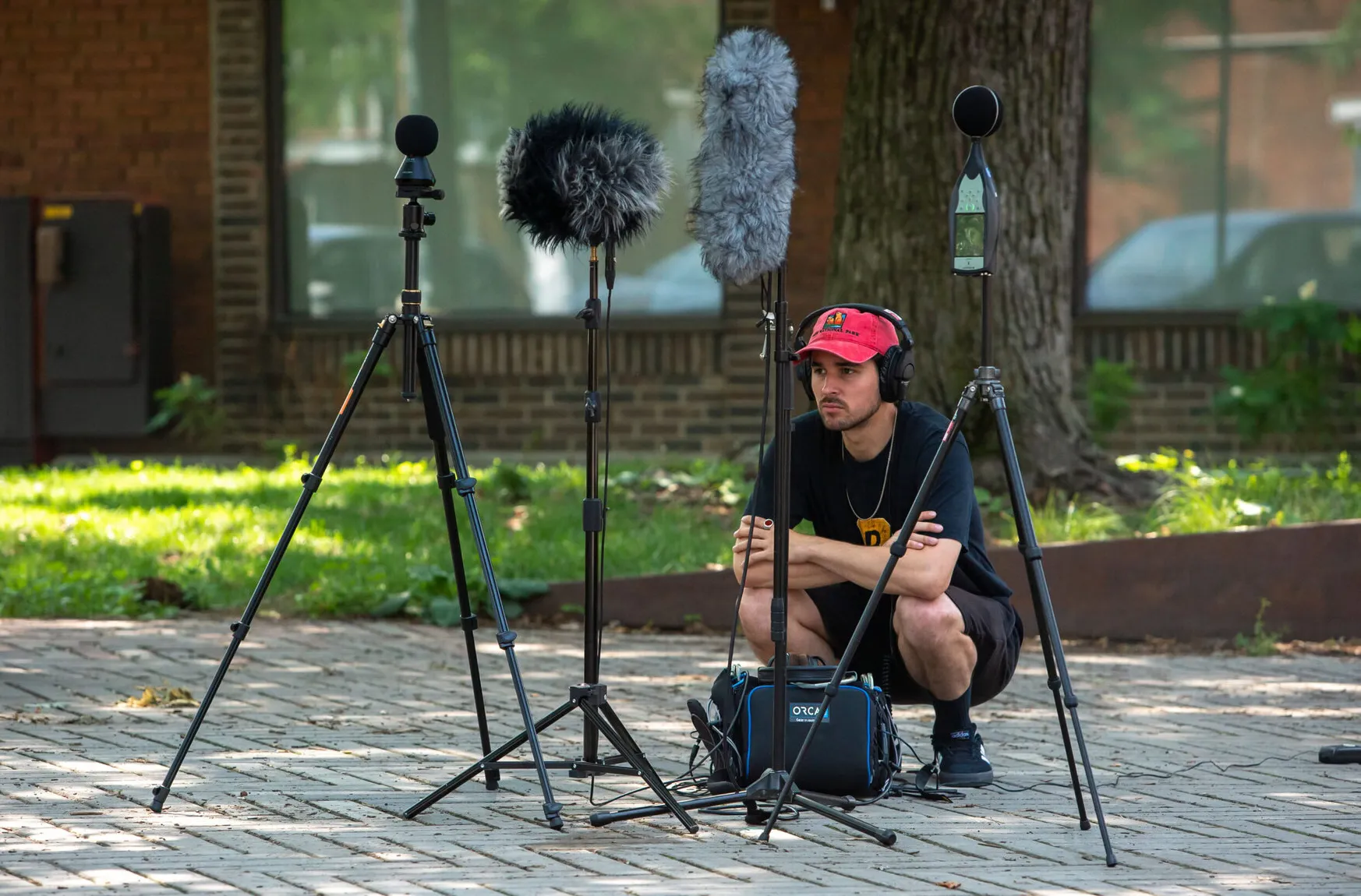
During the 20th century, many residents of the Magdalen Islands—a remote archipelago in eastern Canada—relocated to Montreal in search of work, with a large community settling in Verdun. Seeking to honor this diaspora while combating urban noise, a coalition of researchers and sound artists installed four minimalist speakers in the park. These speakers broadcast authentic field recordings captured on the distant islands, effectively introducing a calming coastal ambiance to the busy metropolis.
This proactive approach to managing the acoustic environment is known as soundscaping. Rather than simply trying to block out unwanted noise, soundscaping harnesses the positive psychological benefits of natural audio to enhance the quality of the urban experience. Chronic noise exposure from traffic and construction is well-known to cause health issues ranging from sleep disruption to cardiovascular disease, making creative interventions like this increasingly vital for modern cities.
- Targeted Relief: Utilizing familiar natural frequencies to mask harsh urban traffic sounds.
- Cultural Connection: Preserving heritage by integrating sounds that resonate deeply with local immigrant communities.
- Mental Well-Being: Providing accessible green spaces that actively lower stress and promote relaxation.
Global Innovations in Acoustic Design
Montreal is far from alone in reimagining the auditory landscape of public spaces. Across the globe, forward-thinking cities are discovering creative ways to promote calm and joy through sound:
- Antwerp, Belgium: Deploying innovative water features that act as acoustic buffers against roadway noise.
- Warsaw, Poland: Transforming a main train station's staircase into giant interactive piano keys for playful community engagement.
- Tokyo, Japan: Utilizing gentle transit chimes in metro stations to encourage a relaxed pace and reduce commuter anxiety.
Experts emphasize that successful soundscaping requires careful customization tailored to the specific context of each site. By engaging closely with neighborhood residents—refining audio frequencies to avoid confusion with traffic and selecting sounds that truly resonate—projects like the one in Verdun create authentic sanctuaries for everyone to enjoy.
A Permanent Oasis for the Community
What began as a temporary pilot project in Montreal has now blossomed into a permanent fixture of the neighborhood. Residents who once avoided the park due to traffic are now discovering a newfound sense of peace. Research consistently supports these positive outcomes, with recent studies showing that natural soundscapes in urban environments significantly improve mental health and reduce stress levels.
Looking ahead, the team behind the installation plans to deepen community collaboration by inviting local residents to take an active role in selecting and co-creating future audio experiences. By listening closely to the people who use these spaces every day, cities can transform ordinary street corners into extraordinary havens of tranquility and connection.
Source: Reasons to be Cheerful