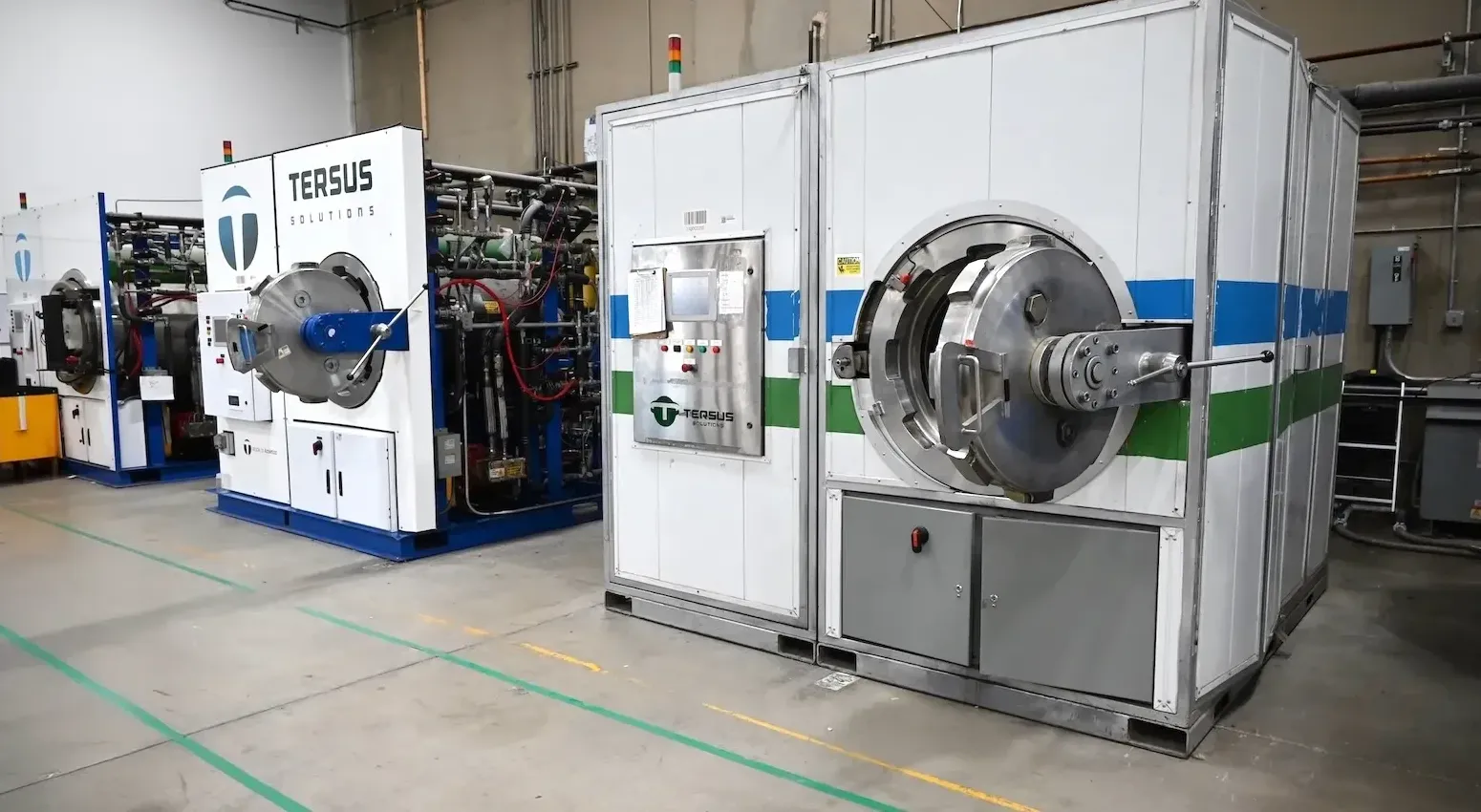
Doing the laundry has long followed a familiar routine, requiring two constants: a washing machine that consumes water and a dryer that relies on heat. However, innovative technology originally designed to clean delicate aerospace parts is reimagining this household chore by swapping both water and heat for an unexpected substitute—carbon dioxide, the very gas we are working so hard to reduce in our atmosphere.
Under specific pressure, carbon dioxide transforms into a low-viscosity liquid capable of gently penetrating fabrics, lifting away oils, and dissolving grime. When the pressure is released, the CO2 instantly reverts to a gas and evaporates, leaving garments brilliantly clean and completely dry. The result is a revolutionary process that uses zero wastewater and eliminates the need for a traditional thermal dryer entirely.
The Science and Promise of Waterless Cleaning
While the concept might sound futuristic, liquid-CO2 cleaning has a proven track record in industrial applications. Aerospace engineers initially developed the method to remove grease from electronic components, and specialized companies have successfully used it for years to clean outdoor technical apparel and heavy-duty firefighter gear contaminated with hazardous residues.
Transitioning this technology from industrial facilities to everyday households presents a fascinating engineering challenge, but the environmental upside is immense. Consider the following core benefits of the technology:
- Zero Water Consumption: Advanced systems completely bypass the need for water, saving hundreds of gallons per load compared to conventional washing machines.
- No Thermal Drying: Because the CO2 simply evaporates upon depressurization, clothes emerge dry without the energy-intensive tumbling and heating of a standard dryer.
- Microplastic Reduction: Closed-loop filtration systems trap shed fabric fibers and grime for safe disposal, preventing microplastics from entering municipal water systems.
- Gentle on Fabrics: Skipping the traditional heat-drying cycle reduces fabric wear, shrinkage, and degradation, helping favorite garments last significantly longer.
Bringing Sustainable Laundry to the Masses
Major appliance manufacturers are currently taking a serious look at how to scale down bulky industrial machinery into a compact, home-friendly unit. Engineers are exploring innovative ways to lower operating pressures and handle water-soluble stains through specialized additives, making home-sized units increasingly feasible.
As researchers and innovators continue to refine the physics and economics of household carbon dioxide systems, the future of laundry looks brighter, more sustainable, and delightfully water-free. If engineers successfully bridge the gap to home adoption, tomorrow's laundry room may feature just one sleek, highly efficient appliance—redefining how we care for our clothes and our planet.
Source: Reasons to be Cheerful