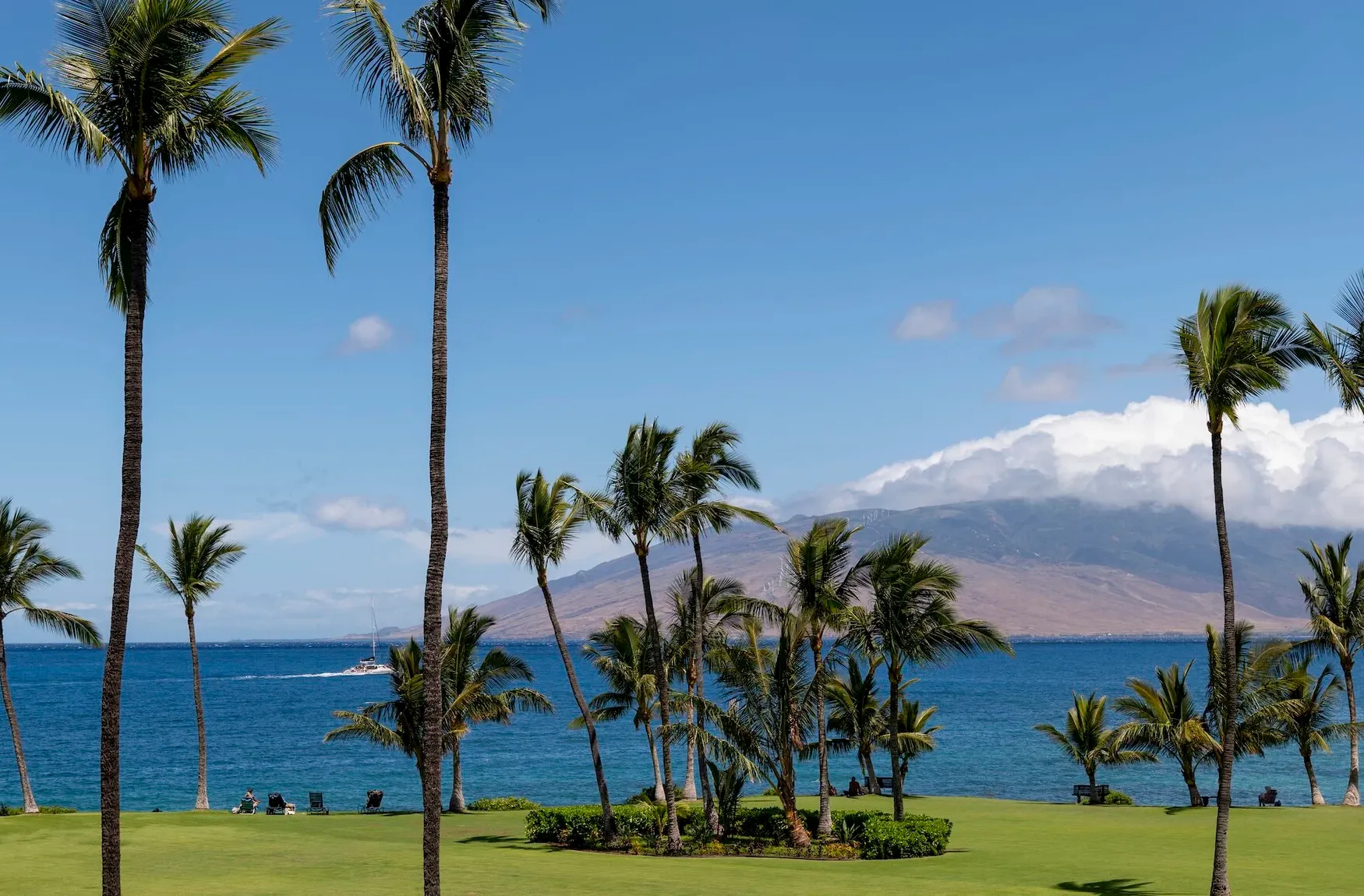
Following the devastating wildfires of August 2023, the historic community of Lahaina faced immense hardship. Yet, amidst the path to recovery, a powerful spirit of unity, hope, and environmental stewardship has taken root. Today, Maui is evolving into a living laboratory for regenerative tourism—an inspiring model where hospitality, agriculture, and local entrepreneurship work hand-in-hand to restore natural ecosystems and leave the island even stronger than before.
By blending Indigenous wisdom with modern sustainability practices, islanders are demonstrating how environmental restoration and compassionate community care can redefine economic and ecological recovery.
Restoring Canopies and Soil Health in West Maui
For Kenneth “Duane” Sparkman, chair of the Maui County Arborist Committee and chief engineer at Royal Lahaina Resort & Bungalows, true healing begins with the land. Immediately following the fires, Sparkman partnered with local advocates to map surviving trees using GPS technology, ensuring stressed root systems received crucial water and care.
That effort quickly grew into a broader movement to help displaced families rebuild their green spaces. Through partnerships with environmental projects, free trees are being provided to residents, offering a living symbol of renewal for home gardens.
- Eco-Friendly Landscaping: Hospitality properties and local farms across Maui are replacing synthetic pesticides and fertilizers with organic composting, microbial soil treatments, and aeration.
- Protecting Ocean Reefs: By eliminating synthetic runoff, landscapers safeguard fragile marine habitats and coastal waters connected directly to watershed health.
- Innovative Clean Shade: Facilities are introducing solar panel canopies over large asphalt lots, reducing the urban heat island effect while generating renewable energy.
These combined efforts align with a fundamental philosophy: maintaining a healthy ʻāina (land) is essential for sustaining a healthy community.
Nourishing the Community Through Local Agriculture
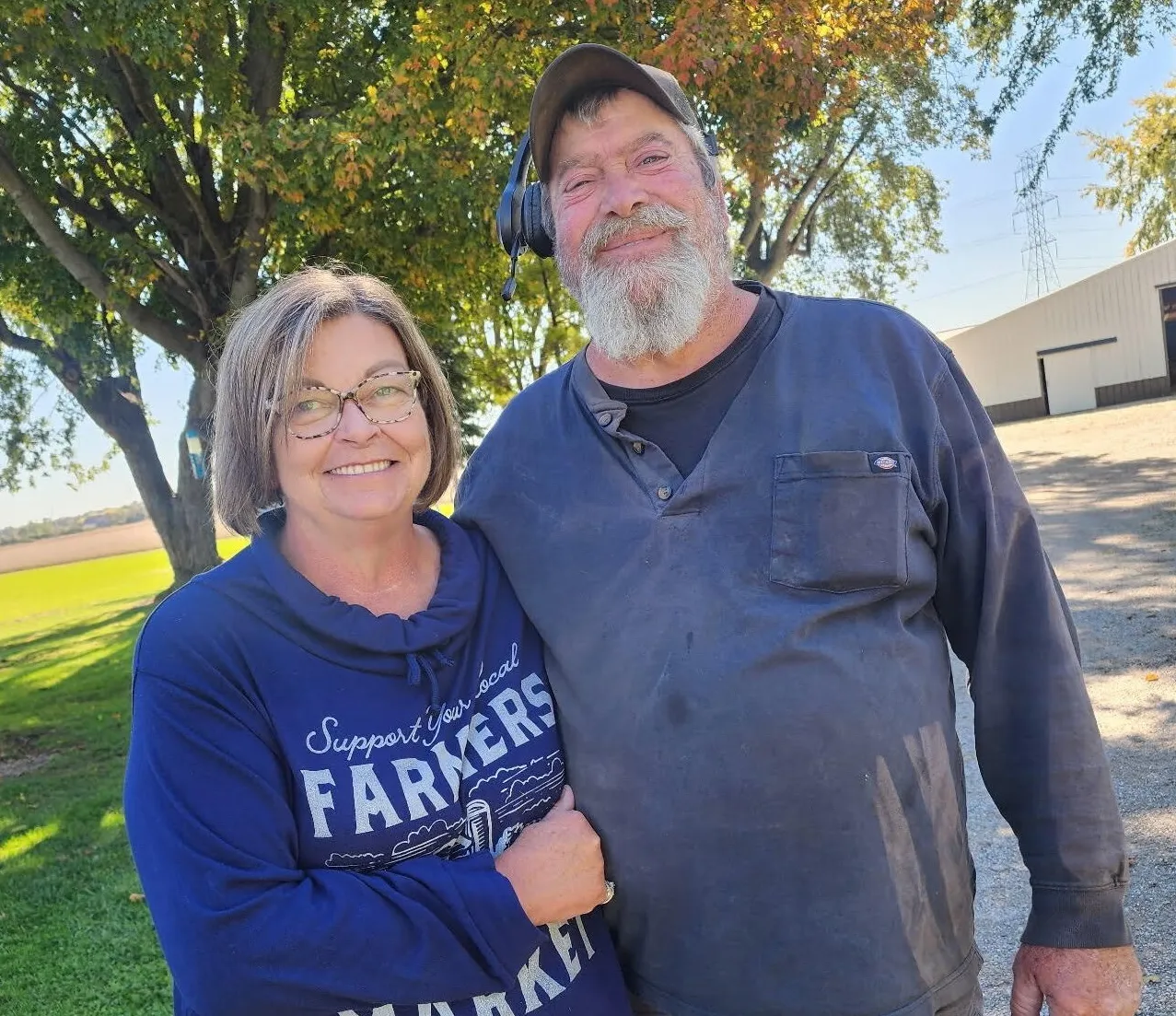
Food independence and community care have emerged as key pillars of Maui’s ongoing recovery. At Hua Momona Farm, founder Gary Grube and Chef Zach Laidlaw transformed local crop production into an essential lifeline for residents.
In the aftermath of the fires, dozens of daily volunteers gathered at the farm to plant, harvest, chop, and cook. Together, they prepared thousands of hot, wholesome meals featuring cherished local recipes like loco moco to bring comfort to families in temporary housing. Long after initial emergency aid scaled back, the farm's non-profit foundation continues to serve hundreds of fresh meals each week.
This grassroots agricultural model highlights how sustainable farming directly reinforces community resilience, ensuring that local food systems nourish both body and spirit during times of transition.
Embracing Mindful Travel and Knowledge Sharing
As visitors return to West Maui, tourism leaders are encouraging travel rooted in mālama—the Hawaiian value of caring for, preserving, and giving back to the destination. Travelers are invited to support local small businesses and engage in hands-on volunteer opportunities that directly benefit island neighborhoods.
Maui’s regenerative framework is now serving as an inspiring blueprint for other regions navigating disaster recovery. Leaders have engaged in active knowledge exchanges with communities in California, North Carolina, and Washington, sharing vital strategies on sensitive crisis communication, local empowerment, and eco-centric tourism management.
Core Takeaways of the Regenerative Vision
- Community-Centered Rebuilding: True recovery prioritizes local culture, housing equity, and long-term ecosystem health.
- Grassroots Synergy: Collaborations between hospitality leaders, arborists, and organic farmers create resilient support systems.
- Elevated Travel Impact: Mindful tourism fosters meaningful connections between visitors and local hosts, enriching the travel experience for everyone involved.
Forward-thinking initiatives, including discussions around a future Lahaina Innovation and Arts Center, envision enduring spaces where culture, performing arts, and ecological innovation can thrive together. Through dedication and shared purpose, Maui is showing the world how compassion and sustainable action can turn challenges into lasting renewal.
Source: Reasons to be Cheerful