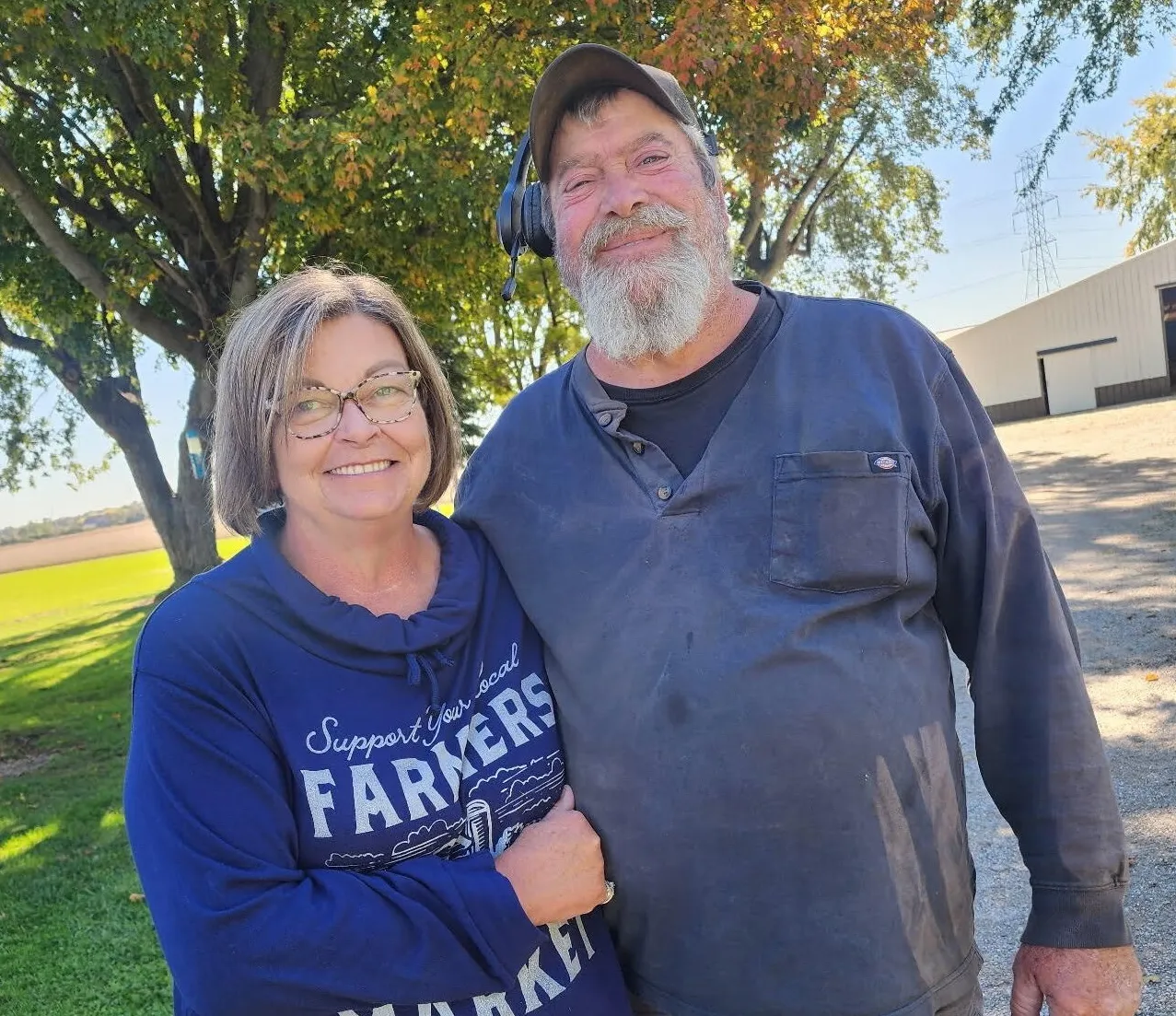
In central Ohio, generational farmers like Patty Spillman and her husband tend to over 400 acres of corn, soybeans, and wheat on land farmed by his family since 1861. When developers first proposed a massive data center nearby, the community banded together to protect their rural roots. Yet, when a much larger 300-plus-acre facility was proposed less than two years later, residents knew they needed a stronger, more organized approach to safeguard their local resources.
Bipartisan Cooperation in Action
This scenario is playing out in towns and suburbs across the United States. As the rapid expansion of artificial intelligence accelerates the demand for massive data centers—which consume extraordinary amounts of energy and water—local residents are stepping up to advocate for sustainable community planning. Crucially, these grassroots movements transcend traditional political boundaries. Republicans, Democrats, and Independents are uniting to ensure that local infrastructure is protected and that communities have a meaningful voice in development decisions.
Experts in public policy note that while land-use battles are not entirely new, the sheer volume of simultaneous local movements is unprecedented. This nationwide wave of civic engagement allows disparate neighborhoods to connect their local experiences to a broader, collaborative movement for sustainable growth.
Community Mobilization and Success
In Ohio, local advocates quickly mobilized to raise awareness, distribute informational flyers, and rally neighbors to attend packed council meetings. Their collective efforts led to tangible results, including a temporary moratorium passed by the city council and a community ballot initiative designed to give residents a direct voice in future heavy industry developments.
- Grassroots Organization: Residents distributed flyers within a three-mile radius to ensure neighbors were informed about proposed projects.
- Civic Engagement: Thousands of community members signed petitions and attended local government meetings to voice their perspectives.
- Proactive Solutions: Neighborhood coalitions are championing ballot measures that require local consent before large-scale industrial projects can break ground.
By working together across party lines, everyday citizens are demonstrating the profound impact of united community action. Their dedication ensures that local heritage, environmental resources, and neighborhood voices remain central to the future of American towns.