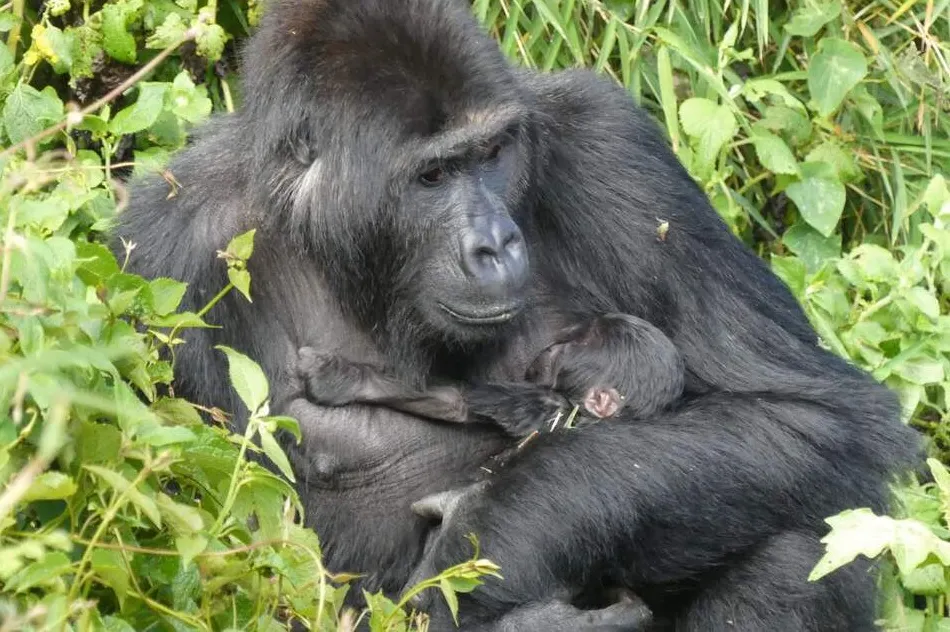
In a monumental milestone for wildlife conservation, one of the first-ever eastern lowland gorillas to be successfully returned to the wild has given birth in her natural home of Virunga National Park in the Democratic Republic of the Congo. This remarkable new arrival represents not only a precious new life, but also a shining beacon of hope for an endangered subspecies.
From Orphaned Rescue to Wild Integration
The mother, Lulingu, endured an extraordinary journey to reach this moment. Rescued as a fragile 18-month-old after being separated from her family by the illegal wildlife trade, she became the youngest orphaned gorilla ever brought to specialized care. Dedicated caretakers provided around-the-clock nurturing before a surrogate mother welcomed her into a close-knit group of rescued females.
Following years of meticulous rehabilitation, Lulingu and three companions were successfully rewilded in late 2024. Her newborn baby was fathered by a wild silverback living on Mount Tshiaberimu, confirming that Lulingu has seamlessly integrated into the wild population. Monitoring teams have observed her displaying exceptional maternal instincts, attentively nursing, cradling, and playing with her new infant.
Core Takeaways of the Conservation Success
- Historic Milestone: Lulingu is among the first rewilded eastern lowland gorillas to successfully give birth in the wild.
- Genetic Boost: The birth provides vital genetic diversity to a small and isolated gorilla population.
- Collaborative Triumph: The multi-year rewilding initiative was achieved through dedicated international partnerships and local community support.
- Thriving Health: Both mother and infant are reported to be healthy, with veterinary teams continuing non-invasive monitoring.
A Brighter Future for Endangered Primates
The arrival of Lulingu's baby offers scientists an unprecedented opportunity to study how rewilded primates adapt to motherhood in their natural habitat. With expert rangers tracking the family group daily, conservationists remain cautiously optimistic that more good news could be on the horizon as other females in the reintroduced group show signs of potential pregnancies.
Every healthy infant represents far more than just a population increase; it is a powerful testament to resilience, healing, and the incredible achievements possible through compassionate, long-term conservation efforts.