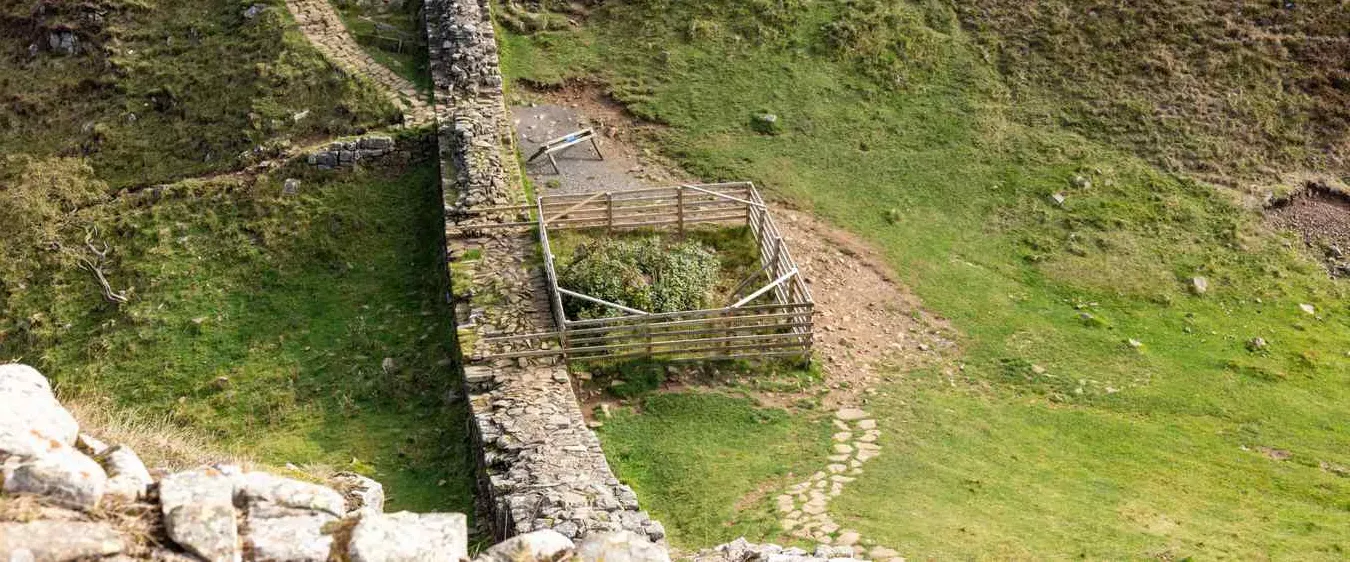
In a heartening demonstration of the natural world’s extraordinary power to heal and endure, the historic Sycamore Gap tree in Northumberland is staging a remarkable comeback. Fresh aerial photographs and conservation reports reveal that the beloved landmark, which was senselessly cut down in the autumn of 2023, is now encircled by a vigorous ring of basal shoots that have already surged to between two and three feet in height.
For generations, the solitary, 150-year-old sycamore stood proudly nestled in a dramatic dip along the UNESCO World Heritage Site of Hadrian’s Wall. Renowned across the globe as one of the most photographed and cherished natural landmarks in northern England, its sudden loss prompted an international outpouring of grief. Yet beneath the soil, a formidable root network survived intact, waiting for the right moment to regenerate.
The Science of Regrowth: How Stumps Spring Back to Life
When the sycamore fell, arborists immediately noticed a glimmer of hope: the clean nature of the saw cut left the underlying cambium layer and root system undamaged. Sycamores, like many broadleaf deciduous species, possess an ancient biological capability known as coppicing or basal sprouting. When the main trunk is lost, dormancy breaks within suppressed buds along the collar of the stump, redirecting the tree's stored energy upward into energetic new growth.
Today, that physiological survival strategy is in full display. Rather than withering away, the resilient root system has mobilized centuries of stored nutrients and subterranean moisture to fuel dozens of fresh, vibrant stems. These young stems are already forming a protective green cluster around the perimeter of the original stump, signaling a robust and healthy recovery phase.
Specialists emphasize that this rapid surge of fresh stems proves just how vital mature root networks are. Because the root system already spans decades of established depth, these saplings do not have to struggle through the delicate, vulnerable seedling stage. Instead, they enjoy direct access to deep groundwater and established fungal partnerships beneath the turf.
Careful Stewardship and Conservation Measures
The swift revival of the Sycamore Gap tree is not solely a triumph of nature; it is also a masterclass in collaborative, low-impact land management. Conservationists responsible for safeguarding the Hadrian’s Wall landscape swiftly established discreet protective barriers to ensure the vulnerable stump had every possible chance to thrive.
Key protective measures implemented at the site include:
- Reducing Soil Compaction: Creating a buffer zone around the base to prevent visitor foot traffic from crushing delicate feeder roots and compacting surrounding earth.
- Minimizing Environmental Disturbance: Preventing mechanical equipment or livestock from disturbing the immediate turf and tender emerging shoots.
- Promoting Natural Moisture Retention: Ensuring surrounding vegetation naturally regulates topsoil temperature without choking out light.
- Coordinated Community Care: Inspiring the hundreds of thousands of hikers traveling Hadrian's Wall Path to view and appreciate the recovery from a respectful distance.
Land stewards have noted that the flourishing state of the shoots directly reflects the positive impact of these mindful measures, thanking the hiking and conservation community for treating the sacred landscape with patience and reverence.
A Living Legacy Spreading Across the Country
While the original stump continues its inspiring ascent in Northumberland, the heritage of the fallen tree has also blossomed into a broader movement of ecological hope. In the immediate aftermath of the felling, expert horticulturists carefully harvested seeds and salvaged twigs from the fallen crown.
Through specialized propagation techniques, dozens of young saplings were nurtured in temperature-controlled nurseries. Today, nearly fifty healthy young sycamores cultivated directly from the mother tree’s seeds have been gifted to schools, civic greens, and community groups throughout the country. These living descendants ensure that the cultural memory of the tree will thrive across dozens of public landscapes for centuries to come.
Key Takeaways: The Future of Sycamore Gap
- Impressive Early Height: The new ring of basal shoots has already attained heights between two and three feet, outperforming standard sapling growth rates thanks to the tree’s mature subterranean root system.
- Decade-Long Milestone: Foresters project that in as little as ten to fifteen years, the tallest shoots will consolidate into a sturdy multi-stemmed canopy capable of once again offering shade to tired hikers along Hadrian’s Wall.
- Century-Long Restoration: While reaching the full, towering majesty of the original single-stem tree may take generations, nature has firmly reclaimed its place in the dramatic landscape.
- A Catalyst for Hope: The tree has evolved from a symbol of sudden loss into a worldwide beacon of ecological rebirth, community stewardship, and persistent natural vitality.
As seasons change along the wind-swept hills of Northumberland, the thriving green shoots at Sycamore Gap remind everyone that destruction rarely has the final word. Grounded in history and propelled by an unstoppable will to grow, this cherished tree is writing an inspiring new chapter in Britain's natural heritage.