"It was like looking for a needle in a haystack." That is how researchers described the thrilling breakthrough of detecting trace volcanic gases on Mars, marking a monumental step forward in humanity's quest to find extraterrestrial life. This remarkable finding centers on hydrogen chloride gas seeping through ancient volcanic rifts, serving as a promising "smoking gun" that suggests the Red Planet is not entirely geologically dead, but perhaps only sleeping.
Unlocking Subsurface Secrets on the Red Planet
For decades, gathering definitive evidence of active volcanism on Mars has proven extraordinarily elusive. However, scientists have steadily uncovered clues through geologically recent lava flows and seismic marsquakes. The latest puzzle piece emerged when an international research team analyzed data collected by an orbiter monitoring the Martian atmosphere.
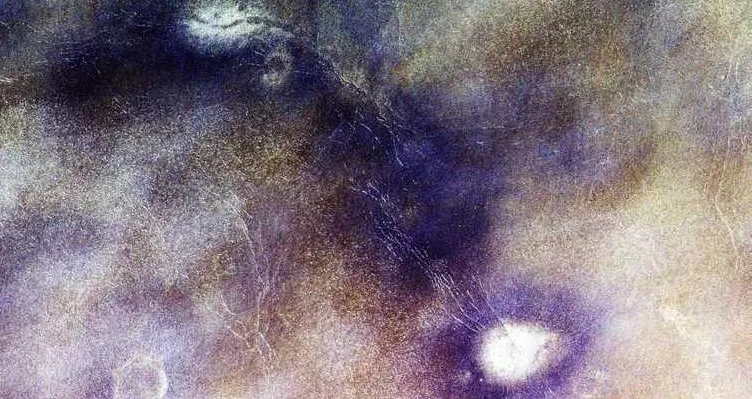
The orbiter first detected hydrogen chloride gas in the atmosphere, a chemical compound commonly associated with magmatic vents on Earth. While the gas typically fluctuates with the seasons, researchers noticed mysterious, localized spikes above the volcanic fissures on the flanks of Alba Mons—one of the largest volcanoes in our solar system. A closer examination using advanced infrared spectroscopy revealed fresh, narrow fissures and unique color changes on the surface, pointing directly to gas escaping from Mars' interior.
Potential Habitable Niches for Microorganisms
This active seepage strongly suggests the presence of a dormant magma chamber and an active hydrothermal plumbing system beneath the surface. When magma comes into contact with underground water, it can create warm, protected niches that foster life. Scientists hypothesize that these subterranean environments could provide both the necessary chemical ingredients and the thermal energy required for microorganisms to thrive, all while shielding them from the harsh radiation of the surface.
- Active Volcanism: Fresh fissures on Alba Mons indicate recent geological and magmatic activity.
- Subsurface Warmth: Magma interacting with groundwater creates potential warm, habitable niches.
- Natural Shielding: Subterranean habitats protect potential microorganisms from hostile surface conditions.
Project scientists have hailed these findings as a monumental success for planetary exploration. By pointing researchers toward specific geothermal vents and fissures, this discovery opens up inspiring new avenues in the ongoing search for life beyond Earth.


Source: Good News Network