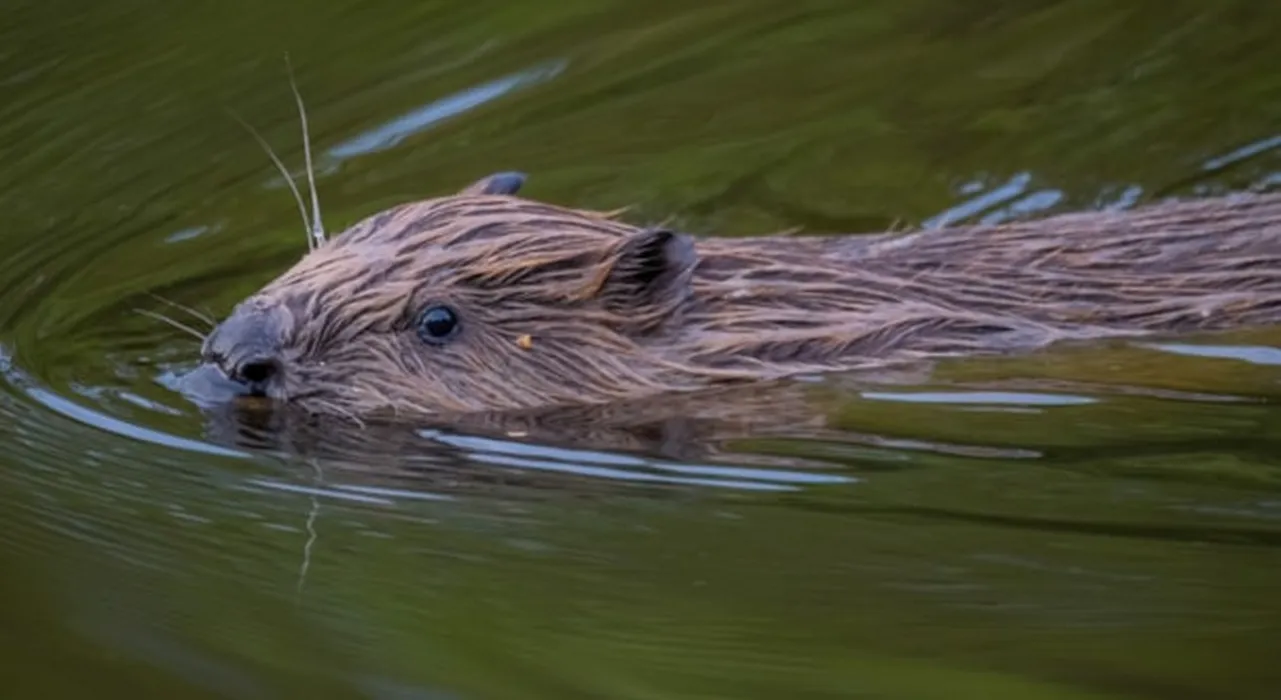
Loch Ness is preparing to welcome a remarkable new resident to its legendary waters—one with razor-sharp teeth, incredible engineering skills, and a historic presence that has been absent for half a millennium. Beavers, the ultimate ecosystem architects, were last recorded in the region surrounding Scotland’s most famous lake between 1526 and 1527. Now, exactly 500 years later, these industrious mammals are finally returning home.
Historic Beaver Reintroduction to Boost Scottish Biodiversity
The exciting initiative became a reality when conservation authorities granted an official license to dedicated wildlife nonprofits to release up to 15 beaver families over the next three years within the River Ness catchment area, which encompasses the iconic lake itself. The comprehensive application underwent rigorous evaluation, successfully meeting all requirements for site suitability, animal welfare, and community interests under conservation translocation guidelines.
Experts have concluded that the reintroduction will significantly enhance local biodiversity while maintaining a remarkably low risk of negative environmental impacts. Public engagement played a pivotal role in the approval process, with community consultations revealing that over 73 percent of respondents strongly supported bringing the beavers back to their ancestral home.
Natural Ecosystem Engineers Creating Thriving Habitats
Environmental advocates emphasize that the return of beavers offers profound advantages for both local wildlife and human communities:
- Habitat Creation: Beavers naturally construct ponds and vibrant wetlands that serve as flourishing havens for numerous other species.
- Water Management: Their industrious dam-building activities help moderate water flows during periods of heavy flood or seasonal water scarcity.
- Ecosystem Health: As key keystone species, they restore natural watershed dynamics and improve overall landscape resilience.
Conservationists have carefully designed monitoring and mitigation plans to address any localized concerns raised by land managers and residents. Qualifying beavers for the translocation project will primarily come from other Scottish regions where their natural activities have unfortunately conflicted with prime agricultural land use.
As these remarkable creatures settle into their new surroundings, the landscape around the famous Scottish lake is set to flourish. The next time a mysterious shape ripples the surface of the water, it just might be a busy beaver carrying a branch to build its new home.

Source: Good News Network