Scientists are turning to the delicate wings of butterflies for clues on how to create vibrant, long‑lasting paints without the toxic chemicals that have long plagued the industry. By mimicking nature’s own light‑bending structures, researchers aim to replace synthetic pigments with safe, sustainable alternatives that sparkle with the same brilliance found in the natural world.
Butterfly‑Inspired Paint: Harnessing Structural Colour
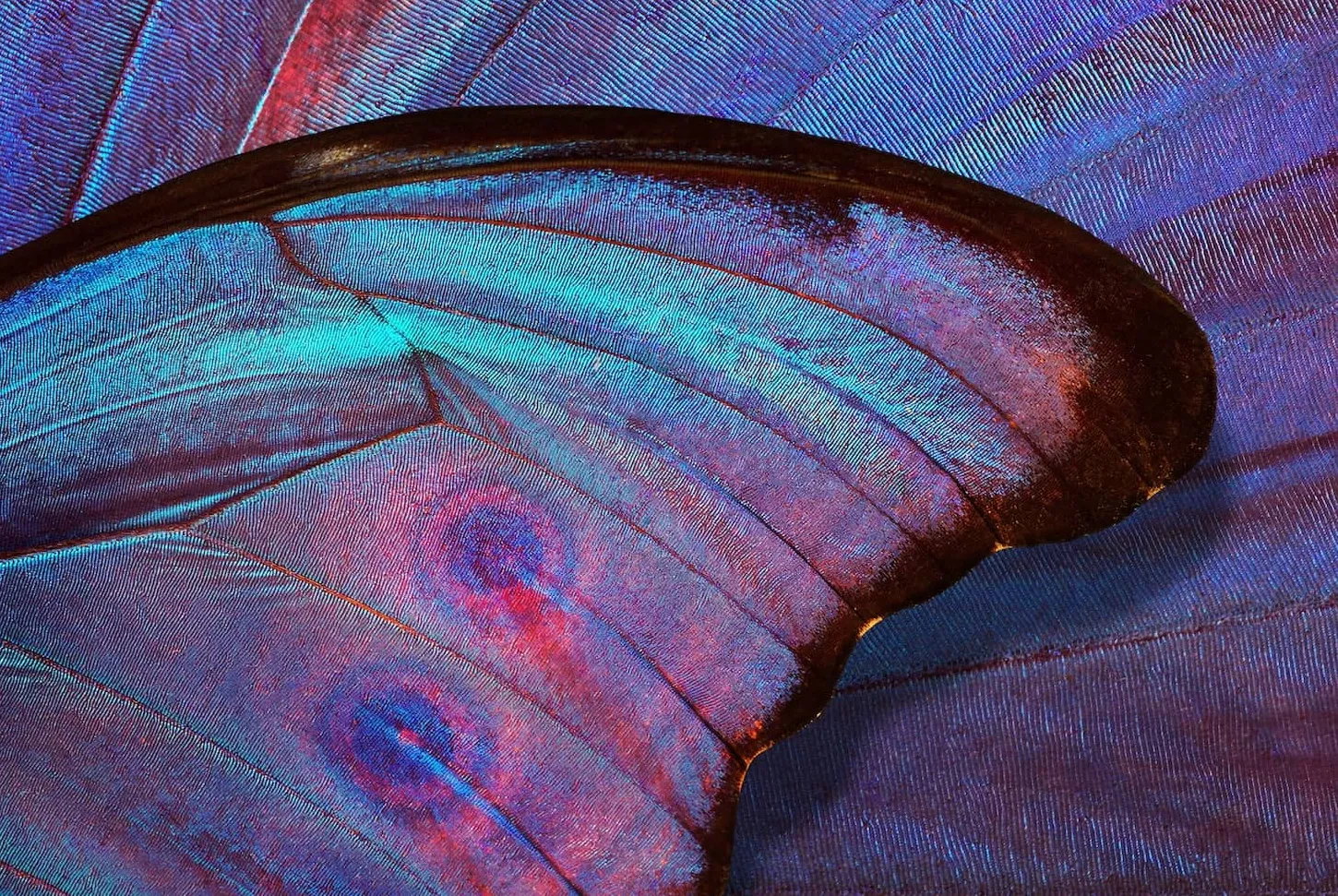
Unlike traditional pigments that rely on chemical compounds to absorb and reflect specific wavelengths, many butterflies display colour through a phenomenon known as structural colour. Tiny, precisely arranged crystals on their wings interact with light, scattering it in ways that produce iridescent blues, greens, and metallic sheens. This physical process means the colour does not fade over time, even under intense sunlight.
One of the most promising candidates is the pterin crystal found on the wings of the common cabbage white butterfly. Researchers have discovered that by adjusting the size and spacing of these microscopic structures, it is possible to fine‑tune the hue that emerges. Because pterins are naturally occurring and biodegradable, they present a compelling alternative to pigments that contain hazardous elements such as lead, cobalt, or arsenic.
Sustainable Benefits and Commercial Potential
The shift toward structural colour offers several clear advantages:
- Environmental safety: Natural crystals break down without releasing harmful residues, reducing pollution from paint production and disposal.
- Human health: Eliminating heavy‑metal pigments lowers the risk of exposure for workers and consumers, especially in indoor applications.
- Durability: Colours derived from physical structures resist fading, extending the lifespan of painted surfaces and decreasing the need for frequent repainting.
- Versatility: By manipulating crystal geometry, a broad palette—from subtle pastels to vivid metallics—can be achieved, opening new creative possibilities for designers and artists.
Scaling the production of pterin crystals remains the primary challenge. So far, scientists have grown crystals only a few milligrams in size—comparable to a grain of salt—but ongoing experiments are exploring cost‑effective synthesis methods that could deliver gram‑scale batches suitable for industrial use.
Looking Ahead: From Lab to Marketplace
Future research will focus on three key areas: refining crystal‑growth techniques, integrating structural colour particles into existing paint formulations, and conducting comprehensive safety assessments. Early prototypes have already demonstrated that a thin coating of pterin‑based material can produce a vivid, non‑toxic shimmer on wood, metal, and fabric.
Beyond paints, the technology holds promise for glitter, cosmetics, and even security inks, where bright, fade‑resistant colours are highly valued. By embracing the lessons hidden in butterfly wings, the industry moves closer to a future where beauty and safety coexist harmoniously.
As we continue to explore the secrets of nature’s palette, each discovery brings us one step nearer to a world painted with colors that are as kind to the planet as they are to the eye.
Source: Positive News