Waterways have long sustained coastal and riverside cities, yet aquatic transit has often lagged behind roads and rails in modern transportation planning. Now, a groundbreaking generation of zero-emission electric ferries is set to redefine urban mobility. By rising out of the water to eliminate friction, these innovative high-speed vessels offer a clean, smooth, and extraordinarily quiet alternative for commuters.
Understanding Hydrofoil Innovation in Zero-Emission Transit
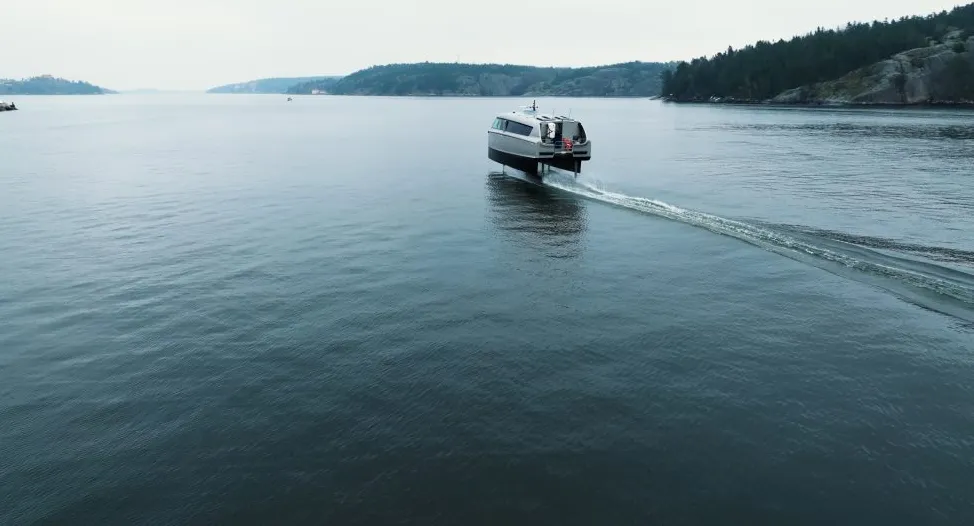
Electrifying marine vessels has historically presented significant engineering hurdles. Water creates dramatically more resistance than air, demanding vast amounts of energy per mile. Heavy battery systems previously limited the speed and range of electric boats, making everyday passenger routes impractical. Hydrofoil technology elegantly solves this physics challenge using underwater wings that lift the hull entirely above the surface as speed increases.
By rising above the waves, hydrofoil boats experience up to an 80 percent reduction in hydrodynamic drag. This drastic decrease in resistance allows vessels to operate with smaller, lighter battery packs while maintaining high speeds and extended range. The result is a gliding sensation that transforms bumpy harbor crossings into quiet, effortless journeys.
- Dramatic Energy Savings: Reduced friction lowers energy consumption by 66 to 80 percent compared to conventional hulls.
- Smoother Rides: Lifting above wave action provides passengers with a remarkably stable and whisper-quiet flight across the water.
- Lower Maintenance Costs: Electric drivetrains drastically reduce mechanical wear and ongoing operational fuel expenditures.
- Cleaner Air and Quiet Harbors: Eliminating diesel engines stops local air pollution and underwater noise near busy waterfront neighborhoods.
Scaling Zero-Emission Ferries across Global and US Waters
While European capitals like Stockholm have already integrated electric hydrofoils into public transit systems, the technology is now gaining strong momentum across North America. Early routes are taking shape in scenic lakes and harbor networks, paving the way for larger municipal adoption. Municipal leaders recognize that water routes offer ready-made transit corridors requiring no costly road construction or railway laying.
San Francisco is launching a major half-billion-dollar fleet transition, bringing all-electric, high-speed vessels alongside advanced shore-side charging infrastructure. As urban centers work to curb greenhouse gas emissions, expanding clean water transit presents an inspiring opportunity to modernize public travel, preserve coastal marine environments, and connect communities cleanly and efficiently.
Source: The Optimist Daily