Technology is opening fresh pathways for protecting the planet's most vulnerable ecosystems. Recent research involving hundreds of scientists from dozens of countries highlights how artificial intelligence and massive digital datasets are reshaping the way we understand and safeguard plant and fungal diversity.
AI‑Driven Species Identification
Machine‑learning models are now able to scan photographs, herbarium sheets, and field notes to suggest species names with remarkable speed. These tools help researchers flag specimens that may represent previously unknown taxa, accelerating the discovery process that once took months or years. By providing instant, data‑rich suggestions, AI empowers both seasoned taxonomists and citizen scientists to contribute more effectively to biodiversity inventories.
Mass Digitisation of Plant Collections
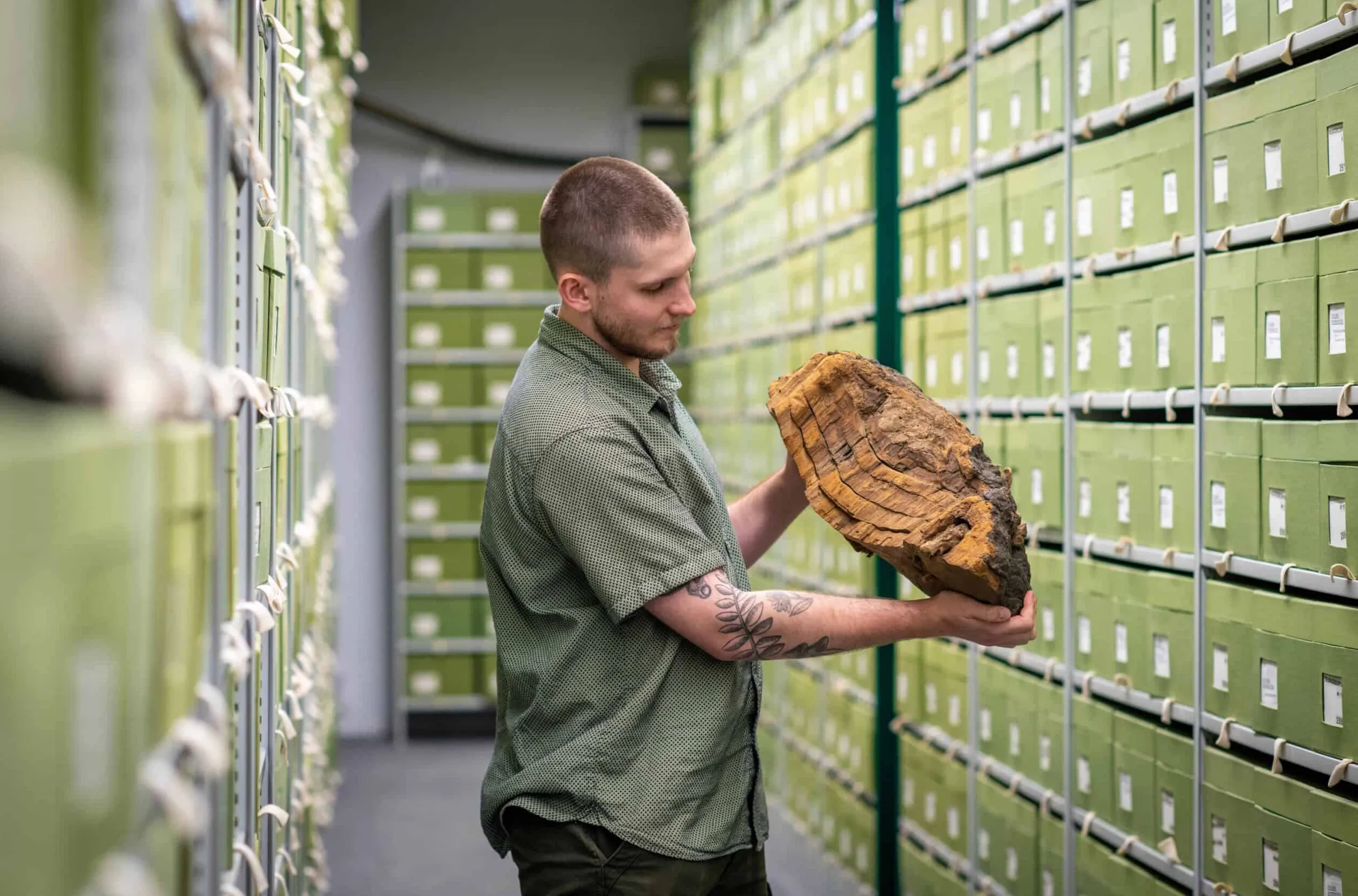
Botanical institutions worldwide are converting millions of physical specimens into high‑resolution digital records. The combined length of these digitised images would stretch thousands of kilometres, creating an unprecedented, globally accessible library of plant and fungal information. Researchers can now query traits, geographic ranges, and genetic data from a single platform, dramatically reducing the time needed to compile comprehensive conservation assessments.
Balancing Innovation with Sustainability
While digital tools promise faster, more inclusive research, they also raise new challenges. AI‑generated identifications still require expert verification to avoid errors, and sophisticated algorithms depend on energy‑intensive data centres. The environmental footprint of these technologies—electricity consumption and water use for cooling—must be weighed against the benefits they deliver for biodiversity protection.
Looking ahead, the integration of open‑source software, renewable‑energy‑powered computing, and collaborative data‑sharing networks offers a pathway to minimise ecological costs while maximising scientific impact. By fostering partnerships across academia, NGOs, and local communities, the conservation sector can harness digital advances responsibly and equitably.
- Accelerated discovery: AI helps pinpoint new species and streamline identification.
- Global accessibility: Digitised collections create a shared knowledge base for researchers everywhere.
- Human expertise remains essential: Validation by taxonomists ensures accuracy.
- Sustainable tech practices: Reducing the carbon footprint of digital infrastructure is critical.
- Collaborative future: Open data and cross‑sector partnerships amplify conservation outcomes.
Source: Positive News