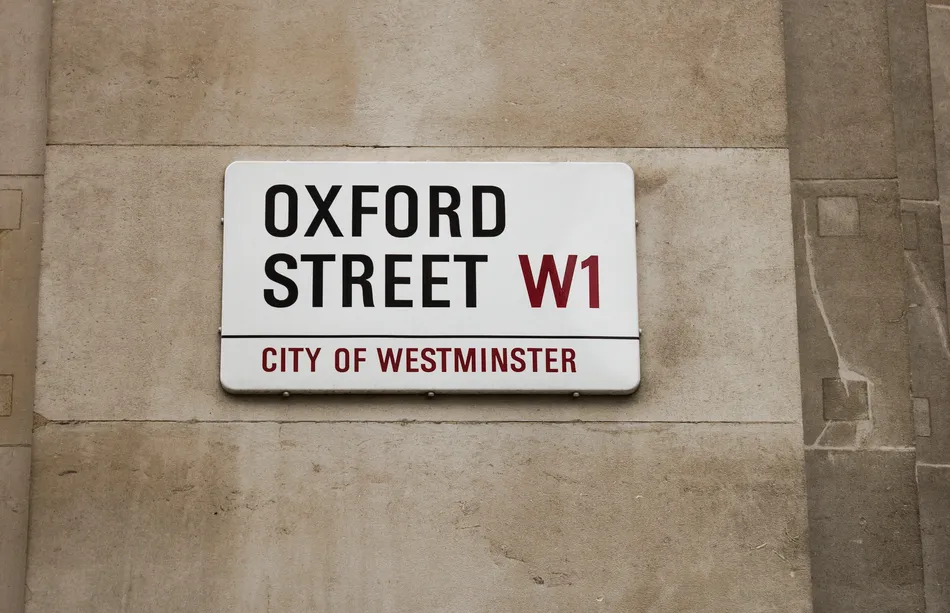
Oxford Street, one of the world's most vibrant and bustling shopping destinations, is officially going traffic-free. London Mayor Sadiq Khan announced the historic closure of a key stretch from Orchard Street to Great Portland Street—nearly a kilometer through the beating heart of the West End—to all vehicles, including buses, taxis, and bikes. This ambitious shift turns a congested thoroughfare into a welcoming pedestrian plaza designed for people, culture, and community connection.
Describing the vision for the area, city leaders look forward to a revitalized urban core featuring world-class retail alongside dynamic cultural events and next-generation workspaces. By reclaiming the street for pedestrians, London is joining a global movement toward healthier, more walkable, and community-centered urban spaces.
What the Change Looks Like on the Ground
The upcoming transition marks an exciting first phase for the historic high street. New seating, greenery, and other street-level enhancements are being installed as temporary fixtures, allowing city planners to gather valuable real-world data before making permanent design choices. Transit authorities and development corporations are closely managing safety measures and traffic rerouting logistics to ensure a smooth transition for everyone.
While previous attempts to pedestrianize the famous shopping mile faced political hurdles and negotiations, this decisive step forward opens the door to a reimagined urban landscape. As temporary installations go up, visitors and locals will immediately experience the benefits of a quieter, cleaner, and more accessible environment.
Learning from Global Success Stories
London is far from alone in embracing pedestrian-friendly city centers. Across the globe, major metropolitan areas have successfully transformed their busiest streets into thriving public zones:
- Copenhagen: Removed cars from its main shopping street, Strøget, back in 1962, resulting in a dramatic increase in foot traffic and thriving local businesses.
- New York City: Pedestrianized Times Square in 2009, leading to improved retail performance and safer streets in the years that followed.
- Madrid and Oslo: Substantially reduced car access in their city centers, yielding remarkable improvements in both air quality and pedestrian enjoyment.
Drawing around 300,000 visitors a day, Oxford Street is uniquely positioned to become a shining example of modern urban renewal. As the road opens exclusively to foot traffic, it invites residents and international travelers alike to rediscover the joy of exploring the city at a human scale, paving the way for a greener, more connected future.