Stepping inside the C2C LAB on a busy Berlin street feels like walking into a vision of the future. The interior walls burst with lush, air-purifying plants, lamp shades are grown naturally from mycelium, and the kitchen offers tea cultivated through regenerative agriculture alongside beer brewed from bread waste. From the sustainable wood flooring to office chairs equipped with compostable cushions, almost every element in this 5,000-square-foot space can either safely return to the earth or be easily dismantled and repurposed.
Functioning simultaneously as a headquarters, education center, and real-world laboratory, the space brings the Cradle to Cradle (C2C) philosophy to life. Rather than simply reducing environmental harm or minimizing waste, the core tenet is simple: "Circle instead of crisis." By rethinking how we design our buildings, products, and communities, innovators are proving that human activity can actually nourish the planet rather than deplete it.
Understanding the Cradle to Cradle Philosophy
Unlike traditional recycling or conventional circular economy models that can sometimes allow toxic substances to remain in circulation, the C2C framework establishes strict boundaries for every material used in manufacturing:
- Biological Nutrients: Materials like cotton or wood that can safely biodegrade are designed to return entirely to the biosphere, enriching the soil and natural ecosystems.
- Technical Nutrients: Durable polymers and metals remain in closed industrial systems, recovered and reused almost endlessly without losing quality.
- Clean Separation: Products containing both types of materials are engineered so they can be easily and cleanly disassembled at the end of their lifecycle.
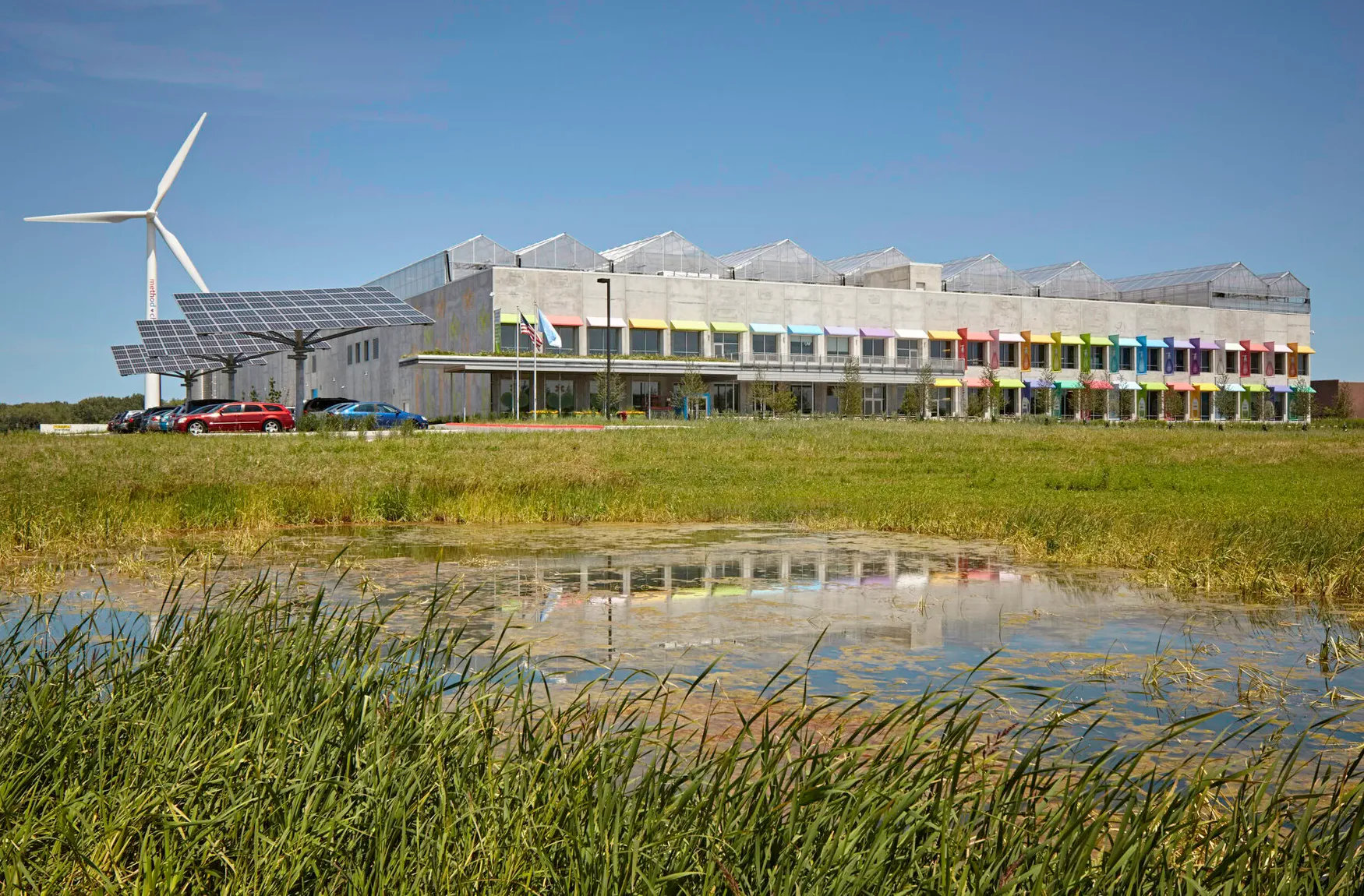
This approach effectively turns the common environmental advice to "limit your footprint" on its head. Instead of merely striving to be less destructive, advocates encourage making a positive impact. Buildings can function like trees—producing more clean energy than they consume, purifying the air, managing water responsibly, and restoring local biodiversity.
Real-World Innovation in Action
Across the globe, visionary architects, manufacturers, and community leaders are putting these principles into practice with remarkable results. Thousands of certified products are already proving that sustainable design makes brilliant business sense.
- Modular Technology: Electronics like the Shift Phone are designed with modular components for effortless repair, upgrading, and material reclamation.
- Circular Flooring: Carpet manufacturers utilize backing systems that separate easily from yarn, allowing used tiles to be completely recycled into new products and saving millions in waste costs.
- Regenerative Architecture: Residential high-rises and supermarkets built with modular timber and green roofs are proving to be both more cost-effective and beneficial to local ecosystems than conventional builds.
- Cultural Testgrounds: Large-scale public events, such as massive concert tours in Germany, have successfully integrated 100 percent renewable energy, compostable merchandise, atmospheric water generators, and advanced sanitation systems that turn waste into valuable soil fertilizer.
Building a Flourishing Future
While the transition is still gaining momentum and the global economy remains largely dependent on a linear "take, make, waste" model, the seeds of a new industrial revolution have been planted. Major corporations have introduced certified products ranging from iconic ergonomic chairs to biodegradable vehicle components, while entire European cities have pledged to adopt C2C principles in municipal planning.
Ultimately, the movement invites consumers and creators to shift their perspective from guilt-driven reduction to joyful innovation. By asking the simple questions—Can I compost it? Will the manufacturer take it back? Does this create value for ecosystems?—we can build a thriving world where human creativity and nature work in complete harmony.