In moments of heightened political tension, especially during high-stakes election seasons, civic engagement can easily feel adversarial. Vital issues—ranging from climate policy and artificial intelligence to economic stability and human rights—naturally inspire passionate conviction. However, beneath policy debates, an emotional rift often develops where disagreement turns into mutual distrust. Amidst this volatile atmosphere, a quiet yet powerful movement is gaining momentum: citizens across the ideological spectrum are actively choosing connection over contempt.
Rather than retreating into partisan echo chambers, forward-thinking leaders, grassroots organizers, and everyday voters are demonstrating that standing up for one's values does not require shutting down dialogue. Through empathetic listening and shared purpose, communities around the nation are proving that understanding our neighbors is a crucial step toward meaningful civic progress.
Bridging the Divide: Practical Collaboration in Action
Across diverse regions, unexpected partnerships are emerging that challenge traditional political divides. Unlikely allies are coming together to address localized concerns where shared community interests outweigh partisan affiliations. From university campuses to rural townships, people are finding creative ways to foster constructive, respectful engagement.
- Cross-Partisan Community Coalitions: Conservative and liberal neighbors are uniting on shared local priorities, working side-by-side on regional conservation efforts and smart development projects.
- Campus Dialogue Initiatives: College students are establishing spaces designed to welcome diverse viewpoints, turning polarized debates into constructive opportunities for mutual learning.
- Cultural and Regional Exchanges: Immersive exchange initiatives are connecting citizens from vastly different geographical backgrounds, helping participants discover common ground beyond their comfort zones.
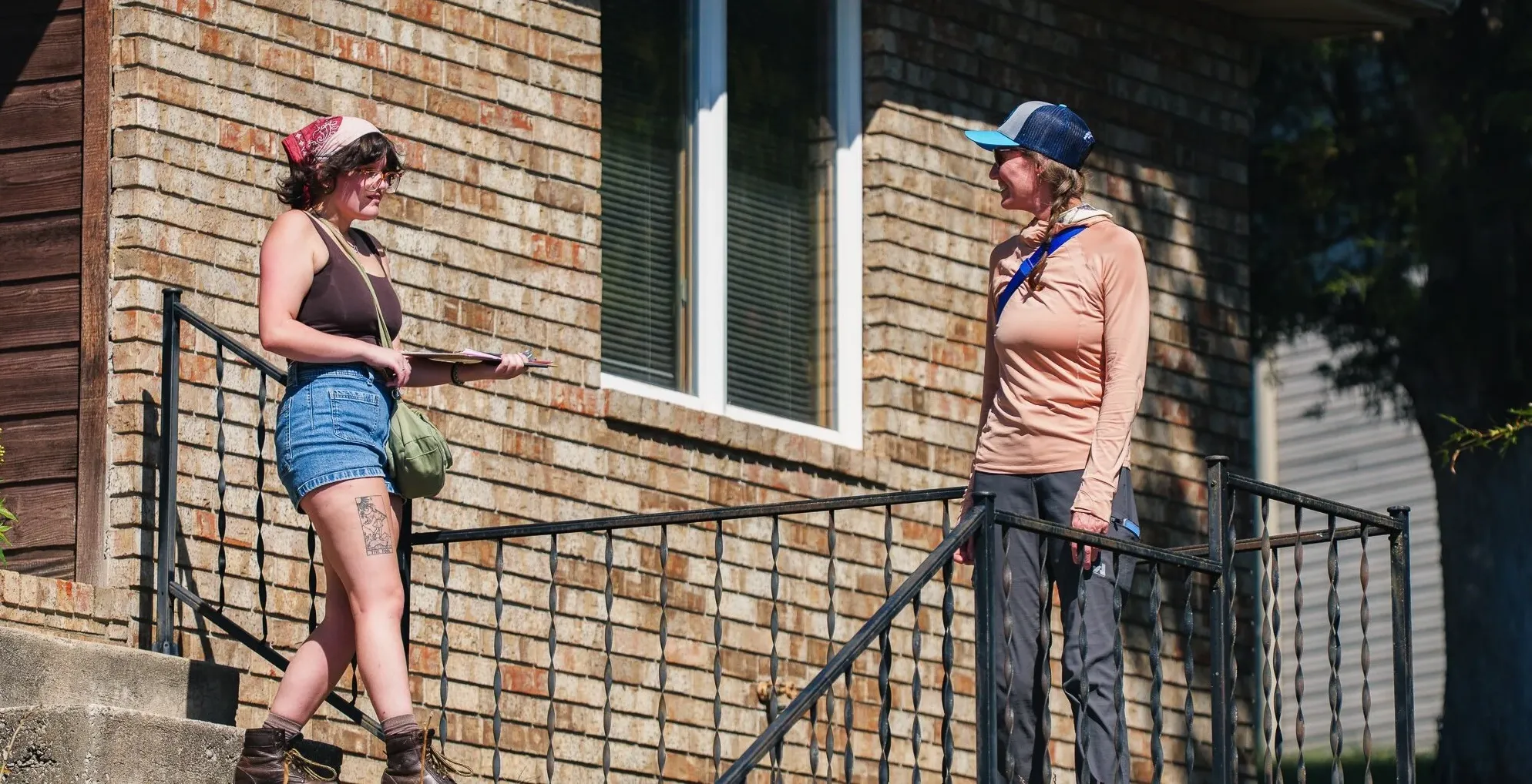
- Deep Canvassing Conversations: Volunteers are engaging voters in extended, empathetic dialogues that prioritize genuine human listening over rigid persuasion.
The Science of Curiosity and Connection
Understanding the psychological mechanics behind political division is essential to loosening its grip. When differing worldviews are framed as existential threats, human cognition naturally shifts into a defensive posture, reinforcing tribal instincts. Modern depolarization efforts demonstrate that bridging divides is not about compromising core convictions or forcing a middle-ground consensus; rather, it is an exercise in intellectual curiosity.
By asking thoughtful questions and exploring the real-life experiences that shape opposing views, individuals can dismantle harmful assumptions. Research indicates that when people feel genuinely heard, cognitive resistance softens, opening doors for nuanced problem-solving and collaborative action.
Key Strategies for Fostering Constructive Dialogue
Building a resilient, connected society requires intentional practice, especially when political stakes are high. The following principles offer a roadmap for constructive engagement:
- Embrace Curiosity Over Contempt: Approach conflicting views with a desire to understand the underlying experiences and values driving them.
- Focus on Shared Goals: Identify local and tangible issues where common interests naturally align across party lines.
- Separate Beliefs from Personal Worth: Recognize that passionate disagreement on policy does not diminish a person's underlying humanity.
- Practice Active Listening: Listen to comprehend rather than simply preparing a counterargument.
As communities navigate important decisions that shape the future, choosing dialogue over division remains a vital path forward. By approaching one another with open minds and steadfast values, we can advocate for what we believe in while building a more cohesive and cooperative society.