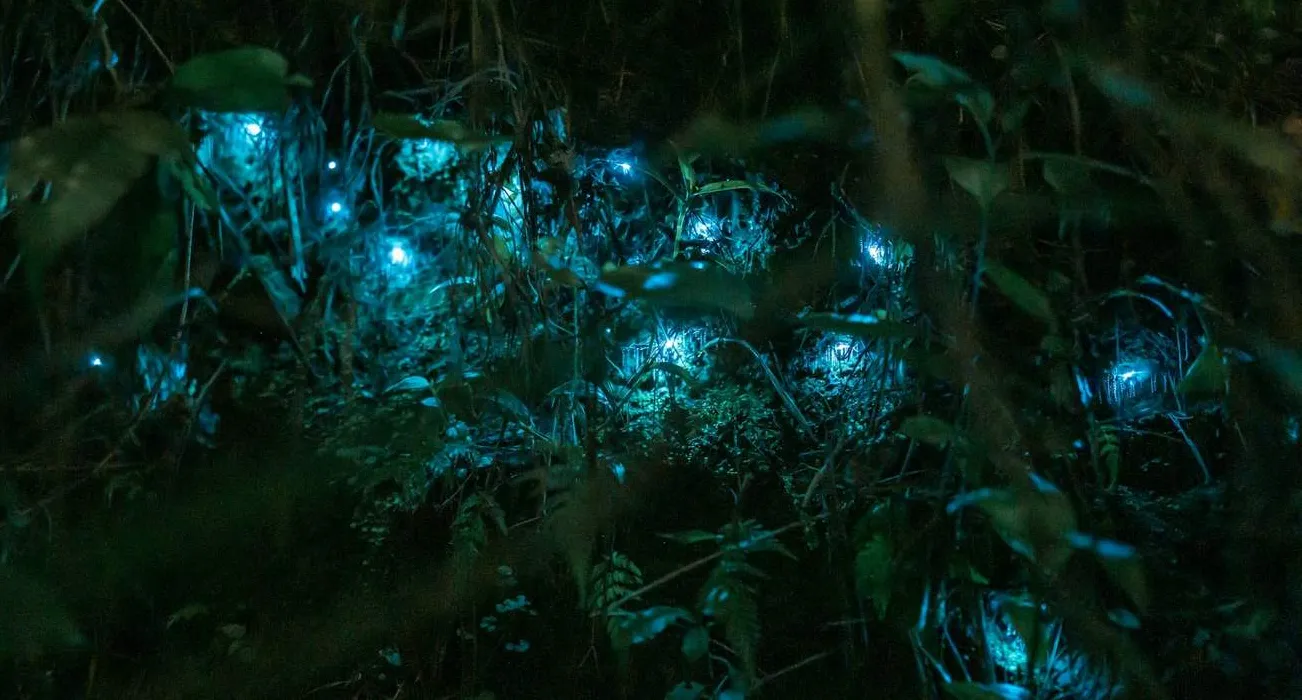
In a heartwarming blend of grassroots passion and environmental stewardship, the enchanting glowworm is making a triumphant comeback in North Yorkshire. Thanks to the dedicated pro bono efforts of local wildlife enthusiast Peter Cooper, these striking bioluminescent insects are illuminating local landscapes where they have not been spotted for an entire century.
Working patiently from a modest garden shed, Cooper has developed a specialized breeding program to raise glowworm larvae. Once ready, the young larvae are carefully released into sanctuary grounds, restoring a magical piece of natural heritage that had long gone dark across Britain.
Restoring Nature's Fairy Lamps to Historic Wetlands
The primary setting for this inspiring rewilding effort is the Nosterfield Nature Reserve, widely recognized as one of North Yorkshire’s most vital wetland wildlife sites. Encompassing roughly 600 acres of former limestone quarries, the land has been thoughtfully rewilded into a thriving sanctuary, creating the perfect habitat for members of the Lampyridae family of bioluminescent insects.
Historically described by poets as appearing like "lamps lit by the hands of fairy folk," glowworms were once abundant throughout the countryside. However, environmental changes and habitat fragmentation led to steep population declines, making natural re-establishment exceptionally challenging without dedicated human intervention.
The Delicate Art of Breeding Glow-Getters
Rearing glowworms in captivity requires extraordinary patience and fine-tuned expertise. Cooper, along with a passionate group of volunteers affectionately known as "glow-getters," has mastered the delicate conditions needed to nurture the species through its early lifecycle stages.
This year alone, Cooper has successfully counted nearly 1,900 healthy larvae in his shed, all designated for release into the reserve. Local conservation leaders have praised his incredible dedication, noting that his raw enthusiasm has relit these iconic natural lights after decades of absence.
Core highlights of this community rewilding initiative include:
- Centennial Milestone: Reintroducing glowworms to historic habitats where they vanished 100 years ago.
- Community Rewilding: Transforming 600 acres of former quarry land into a vibrant, bio-diverse wetland sanctuary.
- Grassroots Conservation: Rearing nearly 1,900 larvae in a personal garden shed to boost wild populations.
- Long-Term Vision: Monitoring the project through 2030, when wild-bred descendants are expected to mature and shine independently.
True long-term success for the project will be measured over time. Because glowworm lifecycles span multiple years, conservationists will eagerly await 2030 to confirm that wild-born generations are thriving independently in the darkness. For now, the glowing return of these extraordinary creatures offers a bright beacon of hope for local biodiversity restoration.

Source: Good News Network