Along England’s sunny south coast, a once‑deserted seabird haven has burst back to life, showcasing nature’s resilience and the power of focused conservation. In just three short years, the colony grew from zero breeding pairs to more than 750 thriving birds, a transformation that reads like a hopeful chapter in wildlife recovery.
Seabird Colony Thrives After Avian Flu Crisis
The dramatic resurgence began after a severe outbreak of highly pathogenic avian influenza swept through the region in 2022, decimating sandwich terns, black‑headed gulls, and other ground‑nesting species at the historic Pagham harbor site. With the breeding grounds emptied, conservationists saw an opportunity to rebuild.
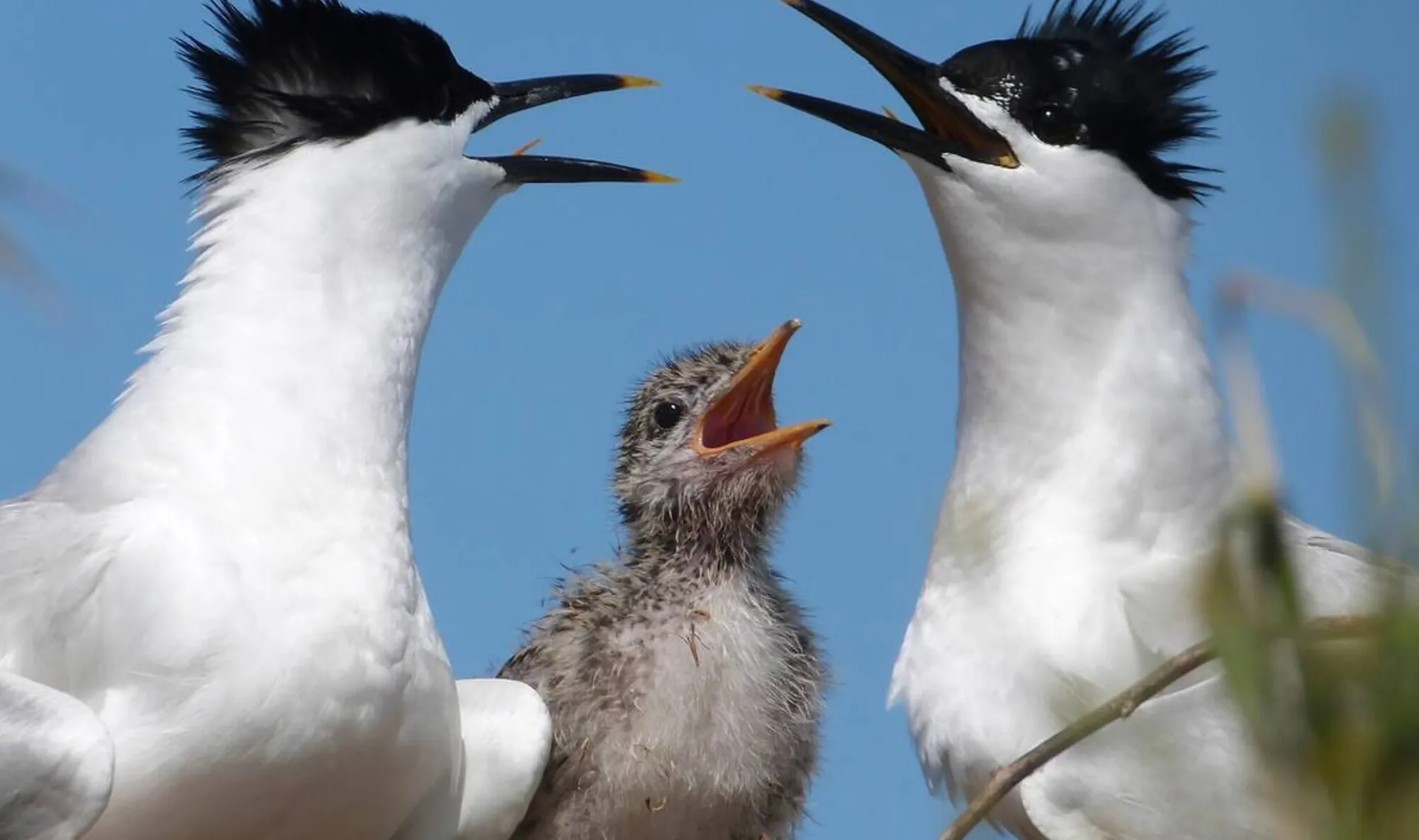
Guided by careful monitoring, volunteer birdwatchers observed the first new sandwich tern pairs arriving in early 2023. Within a single breeding season, the numbers swelled, and by 2025 the colony counted 756 individuals, including not only sandwich terns but also little terns, ringed plovers, black‑headed gulls and oystercatchers. The sight of these birds returning to lay their eggs on the same cliffs where their predecessors fell ill is a vivid reminder that ecosystems can recover when given a chance.
Conservation Strategies Spark Remarkable Rebound
Key to this turnaround were targeted actions implemented by local wildlife groups and dedicated volunteers. Their multi‑pronged approach combined habitat protection, predator control, and community engagement:
- Predator‑proof fencing: Robust barriers were installed around nesting zones to keep ground predators such as rats and foxes at bay, giving vulnerable eggs a safer start.
- Habitat management: Selective removal of dense vegetation created open, sun‑warmed patches ideal for ground‑nesting birds, while preserving the natural scrub that offers shelter.
- Monitoring and research: Regular surveys tracked bird numbers, breeding success, and disease presence, allowing swift responses to emerging threats.
- Volunteer patrols: Trained volunteers walked the coastline, educating visitors about the sensitivity of nesting sites and directing dog‑walking activities to designated areas away from the birds.
- Community outreach: Local schools and clubs participated in “bird‑watch days,” fostering a sense of stewardship among residents.
These measures were part of a broader initiative known as the Solent Seascape project, which aims to restore a mosaic of habitats across the 128,000‑acre coastal stretch between the Isle of Wight and mainland England. By linking dunes, saltmarshes, and mudflats, the project creates a network of safe havens for a variety of wildlife, reinforcing the idea that protecting one site can have ripple effects across an entire ecosystem.
What This Success Means for Coastal Wildlife
The flourishing seabird colony serves as a beacon for other coastal regions grappling with disease, climate change, and human disturbance. It demonstrates that:
- Rapid, coordinated action can reverse population declines even after severe disease outbreaks.
- Engaging local volunteers amplifies conservation capacity and builds lasting community support.
- Habitat restoration that respects the natural preferences of target species yields measurable results.
Looking ahead, the momentum is expected to continue. Ongoing habitat enhancements and vigilant monitoring aim to sustain the current population levels and encourage further breeding success. Researchers are also exploring ways to mitigate future disease risks, such as improving biosecurity measures at nearby ports and encouraging responsible wildlife feeding practices.
Beyond the numbers, the story resonates on a human level. Residents now regularly spot the elegant silhouettes of terns swooping over the sea, hear the soft calls of plovers at dusk, and feel pride in a landscape that once seemed lost to disease. This renewed connection between people and nature fuels a virtuous cycle: healthier habitats attract more wildlife, which in turn inspires greater public investment in conservation.
Key Takeaways
- The seabird colony at Pagham harbor rebounded from zero to over 750 birds in three years after an avian flu outbreak.
- Effective measures included predator‑proof fencing, vegetation management, regular monitoring, and community‑focused volunteer patrols.
- The success is part of the larger Solent Seascape project, highlighting the benefits of landscape‑scale habitat restoration.
- Community involvement proved essential, turning local residents into active stewards of the coastline.
- Continued vigilance and adaptive management are crucial to safeguard the colony against future disease threats.

Source: Good News Network