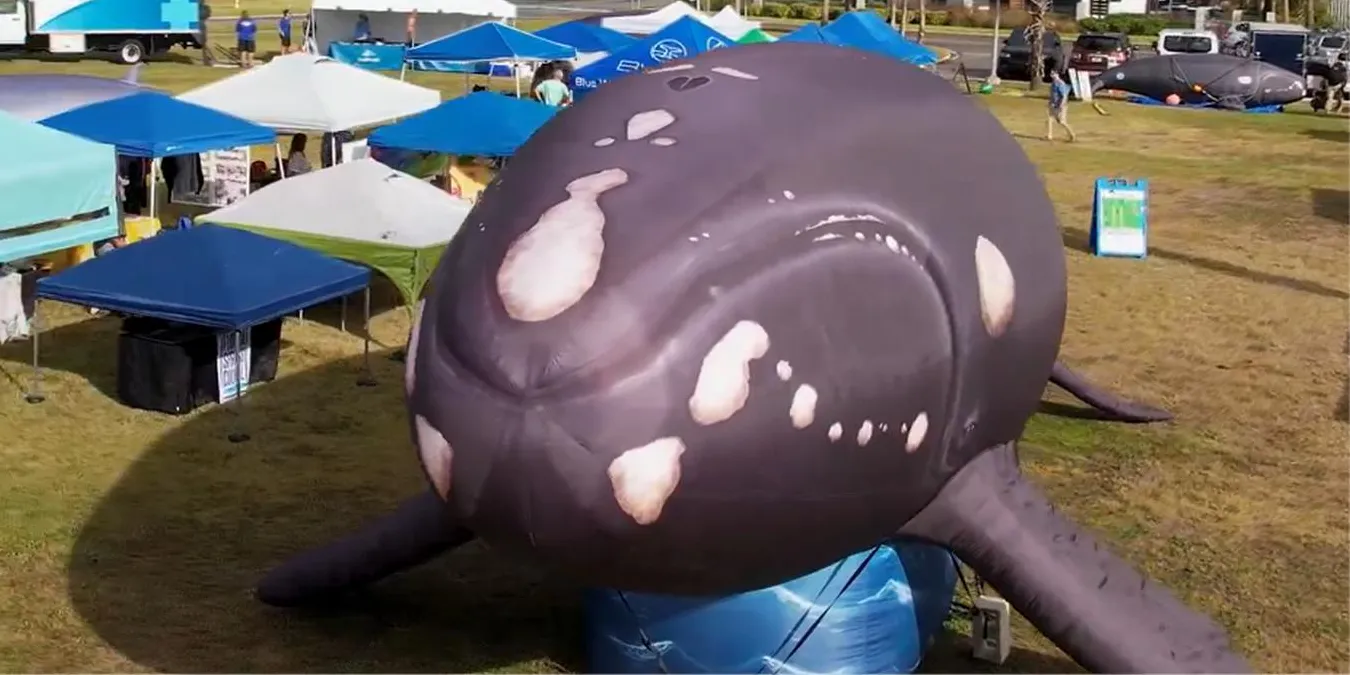
Nestled along the pristine coastline of Northeast Florida, Amelia Island is preparing to welcome visitors and ocean enthusiasts for an inspiring community tradition: the annual Right Whale Festival. Held every year since 2009 at Fernandina Beach’s Main Beach Park, this weekend-long event celebrates the annual return of North Atlantic right whales as they complete their long journey south to the warm, subtropical waters of the American Southeast.
As one of the largest and most endangered marine species on the planet, the North Atlantic right whale relies on the sheltered coastal waters of Florida and Georgia as its only known calving ground. The festival brings together conservation scientists, local community members, and families to celebrate these gentle giants while emphasizing the collective effort required to safeguard their future.
Welcoming Marine Giants to Florida's Barrier Islands
Spanning three days from Friday morning through Sunday evening, the Right Whale Festival blends conservation education with vibrant community festivities. Attendees can enjoy live music, local food vendors, interactive educational displays, and family-friendly outdoor activities. Crucially, the gathering serves as an educational hub, featuring interactive workshops and presentations hosted by leading marine experts, including representatives from the Clearwater Marine Aquarium and the National Oceanic and Atmospheric Administration.
The event highlights the vital importance of the Southeastern coastline as a haven for ocean life. Cheryl Munday, Right Whale Festival Coordinator, emphasized the profound relationship between the local community and the visiting marine mammals. With fewer than 70 reproductive females remaining in the wild, every single calf represents a monumental victory for marine biodiversity, placing a rewarding responsibility on coastal communities to foster safe environments for mothers and their offspring.
A Season of Hope and Record Recovery
While the challenges facing right whales require ongoing vigilance, there is renewed optimism echoing across the marine conservation community. Recent monitoring along the Southeast coast has revealed remarkably encouraging news: this year’s calving season recorded the highest number of North Atlantic right whale births in a single year since 2009.
This positive milestone underscores the potential of targeted conservation initiatives, reduced vessel speeds in key migration zones, and active research partnerships. The upward trend offers a compelling reminder that dedicated human care and science-based protection measures can truly make a difference in helping vulnerable ocean populations recover and thrive.
Engaging the Community: Festival Highlights and Educational Programs
The festival offers an array of enriching experiences designed to connect visitors directly with marine conservation efforts:
- Opening Luncheon & Keynote: The event kicks off with a specialized lecture entitled “Their Future, Our Fight,” held at the Story & Song Center for Arts & Culture. The keynote session spotlights grassroots conservation groups working tirelessly across the whales' migratory corridor.
- Interactive Children's Passport: Young festival-goers can participate in the Right Whale Festival Passport program, an engaging activity that guides children through interactive exhibits to learn fun species facts and essential marine science principles.
- Empowering Everyday Actions: Youth programs emphasize practical habits that every family can adopt, such as minimizing marine debris, advocating for safe boating practices, and spreading environmental awareness within local communities.
- Expert Research Sessions: Researchers and field experts share groundbreaking updates on tracking, ocean noise reduction, and habitat preservation strategies with the public.
Core Takeaways and Action Steps for Wildlife Protection
The Right Whale Festival demonstrates how community-driven celebration and scientific education can work hand in hand to protect endangered wildlife. By fostering direct connections between the public and conservationists, the event empowers every attendee to play an active role in marine stewardship.
Whether by adhering to seasonal vessel speed restrictions, reducing single-use plastics that pollute marine environments, or supporting research initiatives, citizens and visitors alike can contribute to a bright and sustainable future for the North Atlantic right whale.

Source: Good News Network