Invasive alien species represent one of the primary drivers of global biodiversity loss, often spreading faster than ecologists can track and control them. Traditional methods for identifying and removing these aggressive interlopers are frequently costly, labor-intensive, and limited by a lack of early-detection tools. However, an inspiring new initiative in Germany is turning everyday dog walks into powerful conservation missions, proving that man's best friend is also a formidable guardian of natural ecosystems.
Canine Detectives Achieve Remarkable Field Accuracy
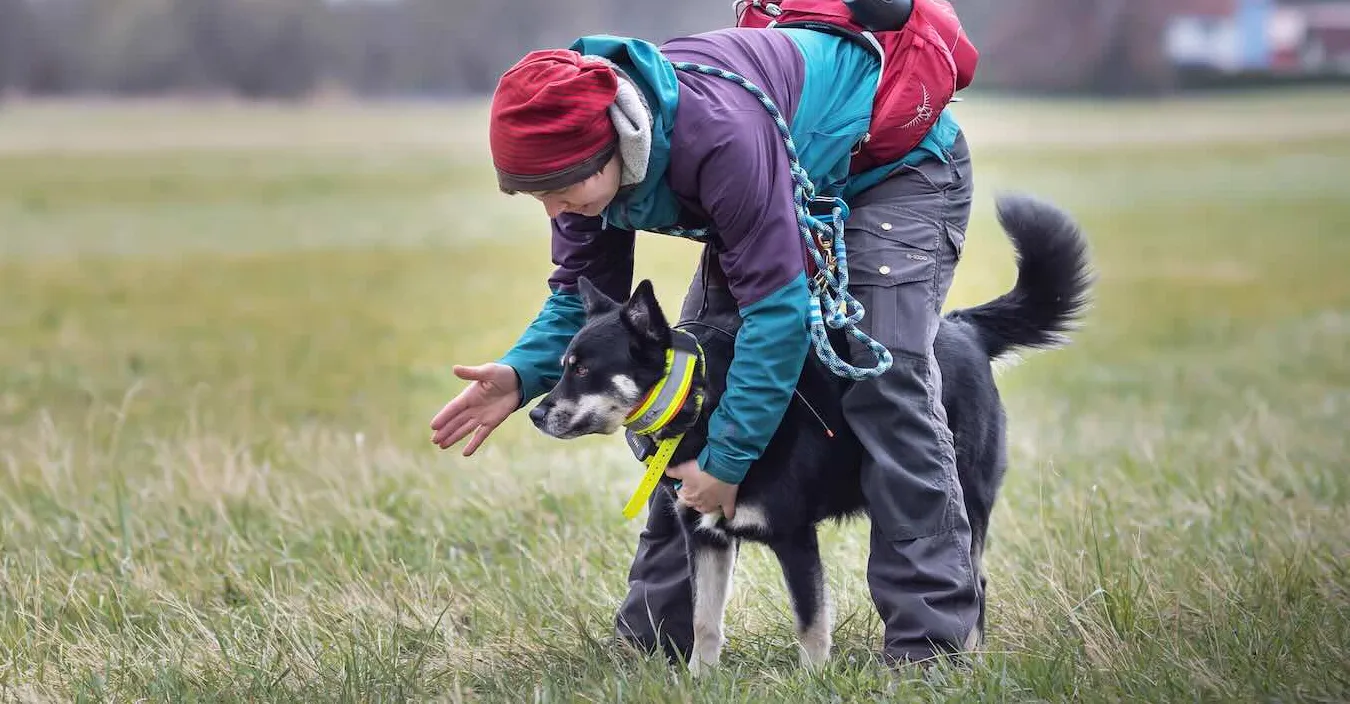
Researchers at the Helmholtz Centre for Environmental Research (UFZ) in Leipzig recently set out to evaluate whether volunteer dog owners could be trained alongside their pets to act as effective ecological detectives. Between 2021 and 2023, a dedicated group of 31 dogs and their human companions underwent specialized training focusing on three notoriously problematic invasive plant species: Himalayan balsam, common ragweed, and invasive knotweeds such as Japanese knotweed.
The comprehensive training program culminated in a rigorous field test to evaluate the teams' ability to locate their target species in natural wild habitats. Out of the 12 teams that advanced to the final evaluation, an impressive 11 teams successfully passed, achieving an average detection success rate of 75 percent. The inspiring results of this feasibility study have since been published in the scientific journal PLOS One.
Transforming Outdoor Walks Into Conservation Opportunities
- Empowering Citizen Science: Turning activities people already love—like spending time outdoors with pets—into meaningful contributions to environmental protection.
- Early Detection Power: Utilizing the extraordinary sense of smell possessed by dogs to catch invasive plant colonizations long before they overwhelm local flora.
- Expert Guidance: Combining canine talent with professional instruction and ecological expertise to ensure high accuracy in real-world deployments.
Lead researcher Dr. Annegret Grimm-Seyfarth expressed immense optimism regarding the initiative's potential. "Our study shows that trained volunteer dog-handler teams have real potential to support the early detection of invasive plants," she noted in a media release. She highlighted the sheer enthusiasm of the participants, emphasizing that with the right guidance, daily walks can seamlessly transform into an invaluable resource for ecological preservation.
Expanding the Canine Conservation Movement
The success of scent-detection programs extends far beyond invasive flora. Across the globe, dogs are increasingly being deployed to protect delicate ecosystems from destructive animal invaders as well. For instance, on the American East Coast, researchers at Virginia Tech have successfully trained specialized dogs to sniff out and eliminate the egg masses of the invasive spotted lanternfly, wiping out tens of thousands of potential pests and helping to stem their unchecked spread.
As programs like these continue to grow, they offer a shining example of how community engagement and animal partnership can unite to solve complex environmental challenges. By harnessing the natural instincts of dogs and the dedication of everyday volunteers, conservationists are unlocking a brighter, more sustainable future for global biodiversity.


Source: Good News Network