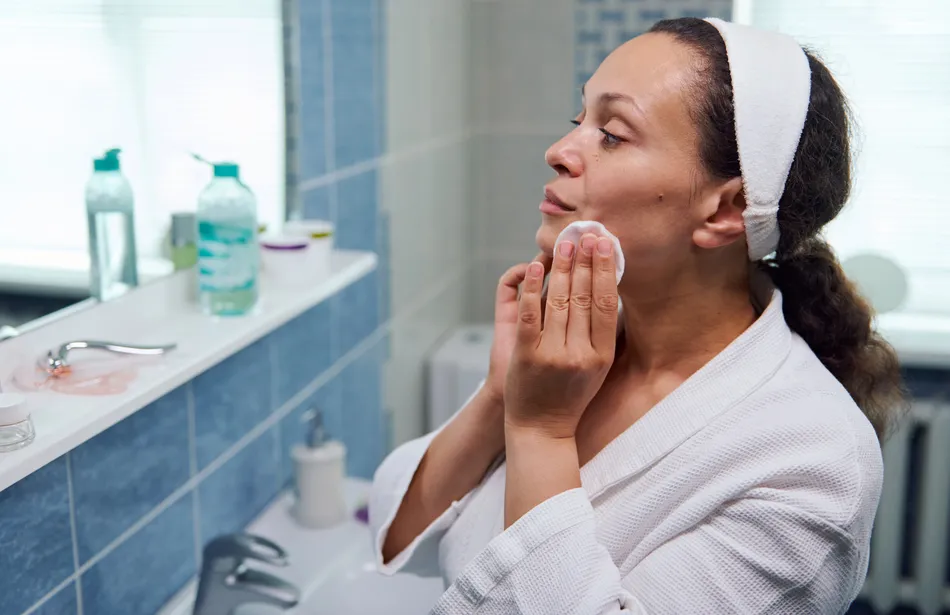
It is easy to fall into the trap of thinking our skin care regimen is constantly missing something. With new active ingredients, viral serums, and multi-step routines trending every week, many of us feel pressured to keep adding products to our shelves. However, leading board-certified dermatologists suggest the opposite path forward: cultivating radiant, healthy skin often means doing far less, but doing it with consistency and care.
Rather than feeling overwhelmed by complex regimens, understanding how to nurture your skin barrier allows you to simplify your daily rituals while achieving better, longer-lasting results. Here are the most effective, science-backed adjustments you can make to help your skin thrive.
Embrace Skin Minimalism: Why Consistency Trumps Trends
In a world full of rapid product launches, it is tempting to continually overhaul your vanity. Yet dermatologists emphasize that healthy skin is the result of a patient, steady journey rather than quick fixes. Constantly introducing new active ingredients can overwhelm the skin barrier, triggering redness, flaking, and sensitivity that takes months of gentle repair to resolve.
Dr. Laurel Naversen Geraghty, a board-certified dermatologist in Medford, Oregon, reminds us that the best results come from good, proven steps practiced consistently over time. When exploring new products, dermatologists recommend adopting a measured, mindful approach:
- Introduce one product at a time: Wait at least three months before evaluating whether a new treatment works, allowing your skin ample time to adapt.
- Give active ingredients time to work: Meaningful improvements from peptides typically require two to three months, while retinoids often show their full transformative benefits around the six-month mark.
- Protect your barrier first: If your skin becomes reactive or irritated, scale back to the absolute basics—a gentle wash, moisturizer, and broad-spectrum sunscreen.
As Dr. Ava Shamban, a Los Angeles dermatologist, points out, stacking multiple active treatments often leads to inflammation rather than improvement. True skin wellness respects the natural resilience of your skin and honors the time it takes to renew itself.
Daily Protection and Gentle Cleansing: Building Sustainable Habits
Healthy skin care works best when integrated seamlessly into your daily lifestyle. Sun protection remains the single most powerful tool for defending skin against premature aging and health risks. Daily exposure to ultraviolet light compounds over decades, making consistent protection essential. Yet many people struggle to make sunscreen a daily ritual.
Dr. Corey Hartman, a board-certified dermatologist in Birmingham, Alabama, recommends habit-stacking to make application effortless: place your sunscreen right beside your toothbrush. Applying an SPF of 35 or higher right after brushing creates a reliable routine you never have to second-guess. When applying, remember to cover easily overlooked areas such as the temples, ears, sides of the nose, and upper lip.
Similarly, cleansing should support your skin rather than strip it of its natural moisture. Many people believe that vigorous scrubbing or multi-stage double-cleansing is necessary for a fresh face, but aggressive techniques can disrupt delicate skin lipids:
- Choose simplicity: Unless you wear heavy stage makeup or have exceptionally oily skin, a single gentle, fragrance-free cleanser is more than enough to wash away daily grime.
- Skip rough tools: Avoid abrasive washcloths, silicone scrubbers, or mesh sponges, which often cause micro-irritation and redness.
- Wash earlier in the evening: Dr. Rachel Nazarian, a New York City dermatologist, advises washing your face as soon as you arrive home rather than waiting until you are exhausted right before bed. This simple shift ensures you do not skip your evening wash or rely on drying makeup wipes.
Targeted Care: Smarter Approaches to Breakouts and Scalp Health
Even with the most balanced routine, occasional blemishes or scalp irritation can happen. How you respond to these minor issues can make a dramatic difference in how quickly your skin recovers.
When a pimple appears, resisting the impulse to pick is vital. If temptation wins, dermatologists advise the one-squeeze rule: attempt a single, gentle squeeze. If the blemish does not release immediately, stop right away. Forcing the issue pushes bacteria deeper into the tissue, prolongs healing, and increases the likelihood of post-inflammatory hyperpigmentation. Once addressed, seal the spot with a hydrocolloid patch to speed recovery and prevent further touching, or apply a salicylic acid spot treatment if it was not ready.
Caring for your skin also extends to your scalp, which is an extension of the same protective barrier. Habitually scratching an itchy scalp can trigger micro-trauma, weakening hair follicles and leading to breakage within just a few days. Dr. Jeanine Downie, a New Jersey dermatologist, emphasizes treating the root cause of irritation rather than scratching. Incorporating an anti-inflammatory shampoo can swiftly calm common issues like dryness or dandruff, allowing both your scalp and hair to regain vitality.
By swapping out complex routines for sustainable, supportive habits, you give your skin the exact environment it needs to flourish for years to come.