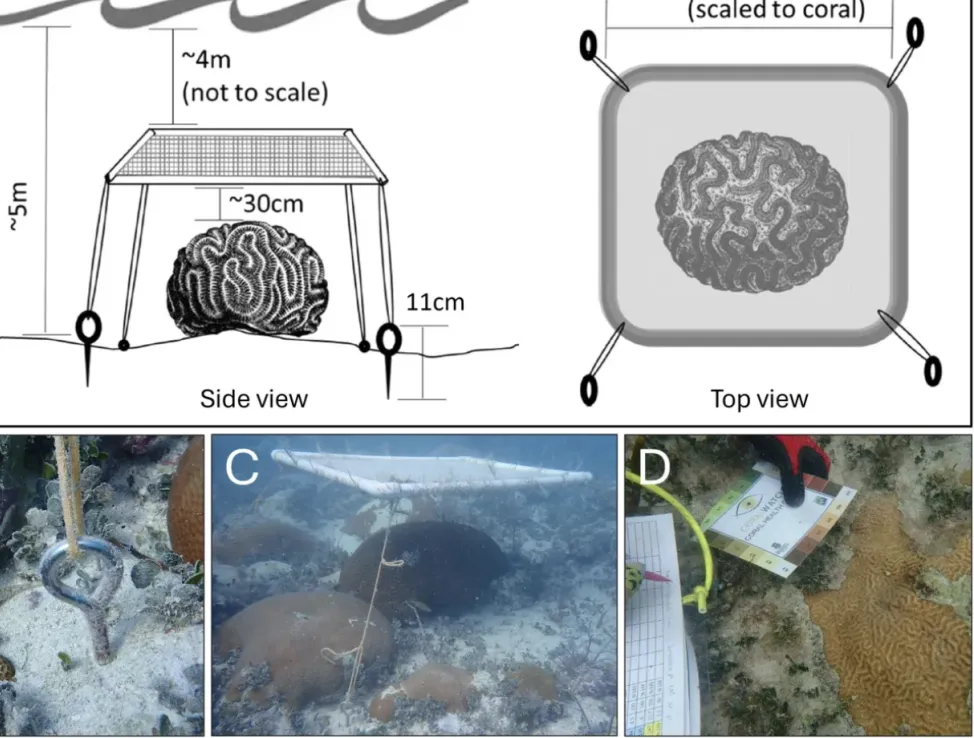
In an encouraging breakthrough for marine conservation, marine scientists have demonstrated that a surprisingly simple low-tech intervention can help vulnerable corals survive severe heat stress. By suspending custom-engineered floating shade structures directly above fragile brain coral colonies in the lower Florida Keys, researchers successfully shielded them from damaging solar radiation, allowing the vibrant organisms to steadily regain their natural coloration during an intense seasonal heatwave.
The experimental setup was deployed during one of the hottest recorded summers in regional waters since monitoring began in 1985. While unprotected neighboring colonies suffered visible pigment loss and severe thermal bleaching, the corals positioned beneath protective canopies demonstrated remarkable resilience, proving that targeted physical interventions can safeguard critical marine life during acute environmental crises.
How Solar Shading Protects Fragile Marine Ecosystems
The protective covers were engineered using resilient PVC frames fitted with specialized nylon mesh and anchored roughly 12 inches (30 centimeters) directly above the coral heads. While the structures do not actively cool water temperatures, their protective value lies in mitigating sunlight exposure and filtering intense ultraviolet (UV) radiation.
When water temperatures soar, corals experience physiological stress. When that thermal stress is compounded by intense, unshaded solar irradiance, it accelerates the expulsion of symbiotic algae (zooxanthellae) that provide corals with their nutrition and iconic colors. By filtering out solar glare, these underwater sunshades dramatically lower photo-oxidative stress, giving the colonies a fighting chance to withstand elevated temperatures.
- Targeted Solar Defense: The mesh filters harmful ultraviolet and high-intensity rays, reducing the cumulative stress on coral tissue.
- Color and Health Recovery: Shaded brain corals began regaining their vital photosynthetic pigments even as surrounding unshaded colonies continued to bleach.
- Accessible Design: Constructed from simple, cost-effective materials, the frames can be rapidly deployed by field divers ahead of peak summer heat spikes.
A Proactive Response to Historic Ocean Heatwaves
This innovative research was sparked by the historic marine heatwave that swept through the Florida reef tract in 2023, during which extensive branching coral populations suffered unprecedented bleaching. Determined to identify practical tools to protect surviving colonies in future warm seasons, researchers developed the floating shade concept as a rapid-response emergency measure.
The positive results offer a ray of hope for targeted restoration efforts. Rather than passively watching keystone coral colonies perish during temperature spikes, conservationists now have a verified technique to create temporary refuges for genetically critical specimens, mature breeding colonies, and nursery-reared corals.
Preserving Keystone Species to Safeguard Ocean Biodiversity
Although floating shades cannot span entire reef systems across thousands of square miles, marine experts view this technique as an invaluable triage mechanism. Coral reefs occupy less than 0.2 percent of the global ocean floor, yet they support more than a quarter of all known marine life, safeguard coastlines from erosion, and sustain coastal communities worldwide.
Key Benefits of Targeted Triage
- Protecting Genetic Diversity: Shading can preserve mature, slow-growing foundational colonies that take decades to develop and are vital for natural reseeding.
- Safeguarding Critical Nurseries: Conservation teams can shield offshore coral nurseries and restoration plots while waiting for seasonal ocean temperatures to moderate.
- Buying Time for Broader Solutions: Local mitigation strategies give sensitive ecosystems a vital buffer while international efforts work to reduce broader ecological pressures.
By blending innovative field methods with dedicated conservation, targeted shading demonstrates that thoughtful human ingenuity can make a measurable difference in helping vital ocean habitats endure and thrive into the future.