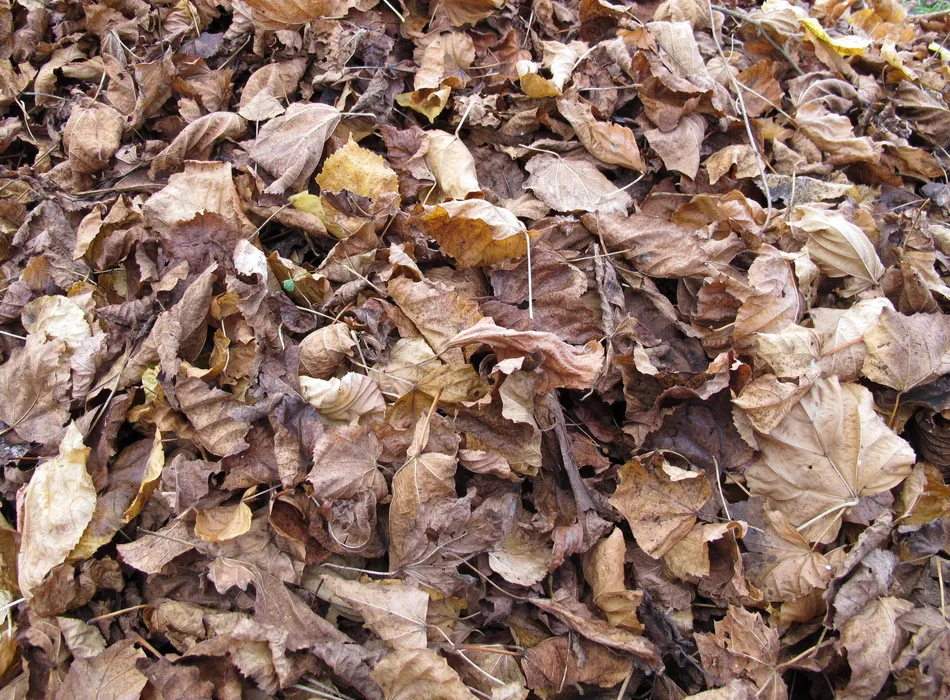
Every fall brings a natural urge to tidy up the yard. We cut back perennials, rake up leaves, clear out flower beds, and put the garden to rest for the winter. It feels deeply satisfying, and spring certainly seems to arrive from a much cleaner slate. However, all that leaf litter, those hollow stems, and those patches of seemingly dead plant matter serve a vital purpose: they are home to our hardworking native bees.
Over 3,600 bee species are native to the United States, and the vast majority are not honey bees. From mason bees and leafcutters to mining bees, long-horned bees, and bumble bees, these wild pollinators are experiencing steep declines. Unlike social honey bees, most native bees are solitary. Each female builds her own nest, lays her eggs, provisions them with food, seals them, and passes away. Their offspring complete their life cycles safely inside those cells until they emerge the following year. That hidden nest is very likely located right in your backyard.
Essential Fall Gardening Tips for Native Bee Conservation
The wonderful news for gardeners is that supporting these vulnerable insect populations requires very little labor. In fact, the most effective strategy is simply to do less. By altering our autumn cleanup routines, we can provide essential overwintering habitats for hundreds of individual bees.
- Move leaves instead of bagging them: Bumble bee queens hibernate underground or beneath leaf mulch. Pile leaves onto flower beds or into a quiet corner of the yard rather than bagging and discarding them.
- Leave plant stems standing: Pruning everything to the ground removes crucial winter homes for tunnel-nesting bees like small carpenter bees and leafcutters.
- Preserve bare soil patches: Most native bees nest directly in the ground. Avoid tilling, laying down landscape fabric, or covering every square inch with heavy mulch.
How to Manage Leaves, Stems, and Brush Piles
When clearing paths or managing your lawn, you can easily relocate natural materials to benefit local wildlife. Keep leaves on flower borders, around the base of hedges, or tucked into back corners where they won't block drains or create slipping hazards.
If you prefer a tidy look, experts recommend a practical compromise: cut perennial stems down to about a foot tall instead of shearing them completely to the ground. This leaves a functional cavity-nesting structure without looking neglected. Similarly, if you are already mid-cleanup, avoid composting cut stems, as this will disrupt the developing bee cycle. Instead, leave them in a loose pile behind the shed.
Pruned branches can be gathered into dense brush piles to shelter bees from harsh winter weather, while late-season bloomers like goldenrod and asters provide essential nectar for sweat bees and mining bees finishing their foraging cycles. By embracing a slightly wilder approach this October, you create a thriving sanctuary that supports local biodiversity all year long.